History
Originally from Belize, Guatemala, El Salvador, and southern Mexico, the eggfruit — whose scientific name is Pouteria campechiana — is now cultivated in many Latin American countries and throughout the Greater Antilles. On Réunion Island, it is also known as “yellow sapote.”
Its date of introduction to Martinique is unknown, but it is believed to be recent, which would explain its rarity and the fact that the eggfruit remains unfamiliar to much of the local population.
In Florida, it is eaten with salt, pepper, and even mayonnaise.
Varieties
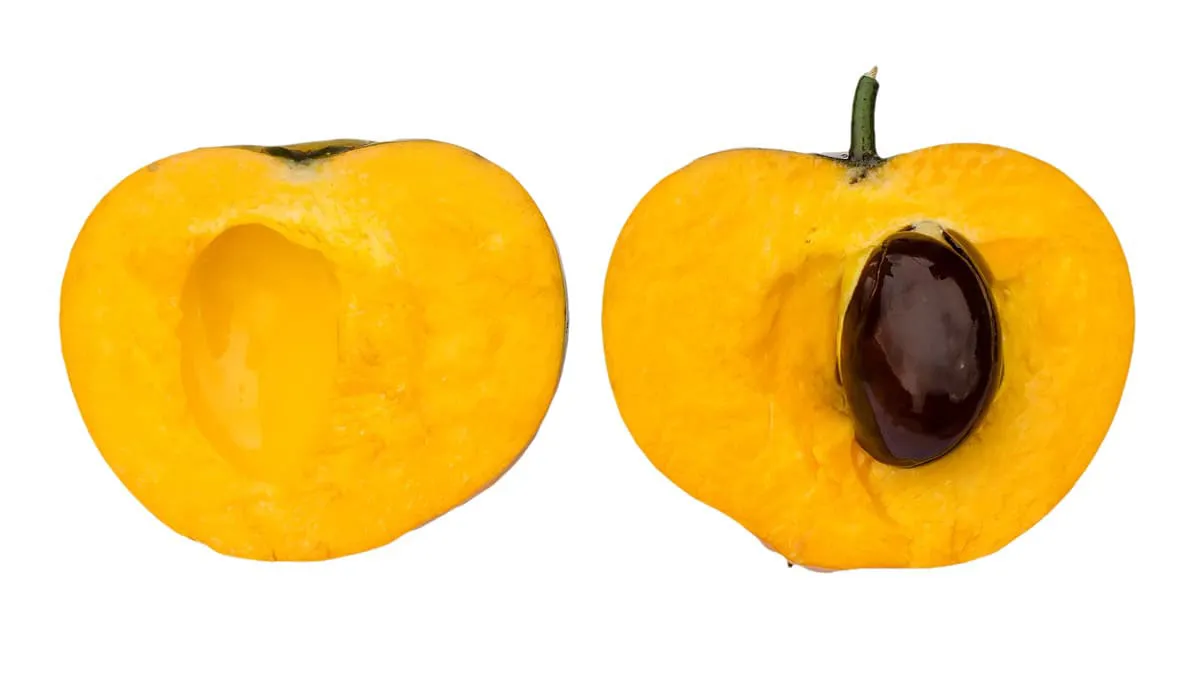
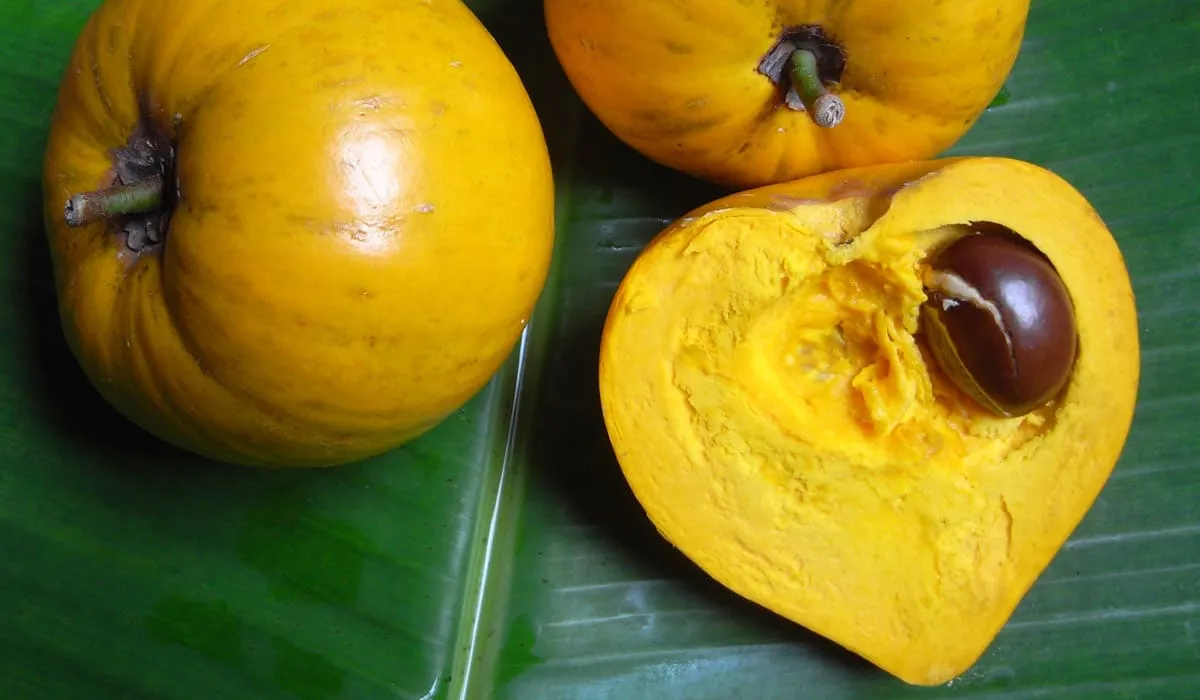
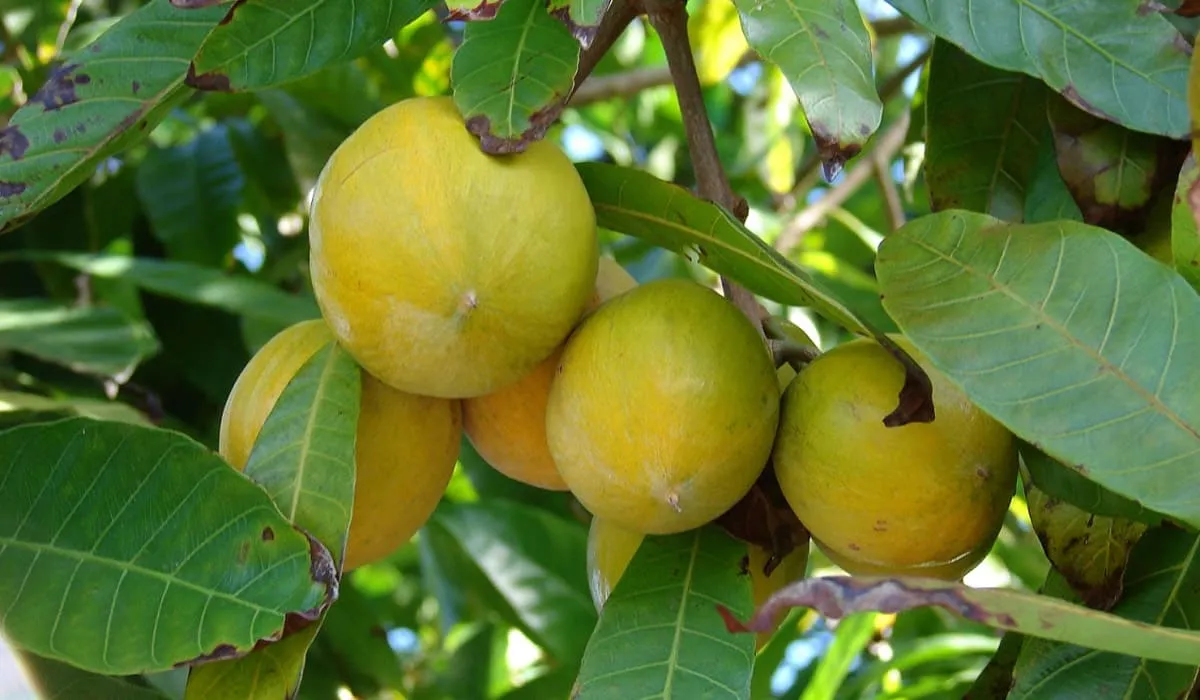
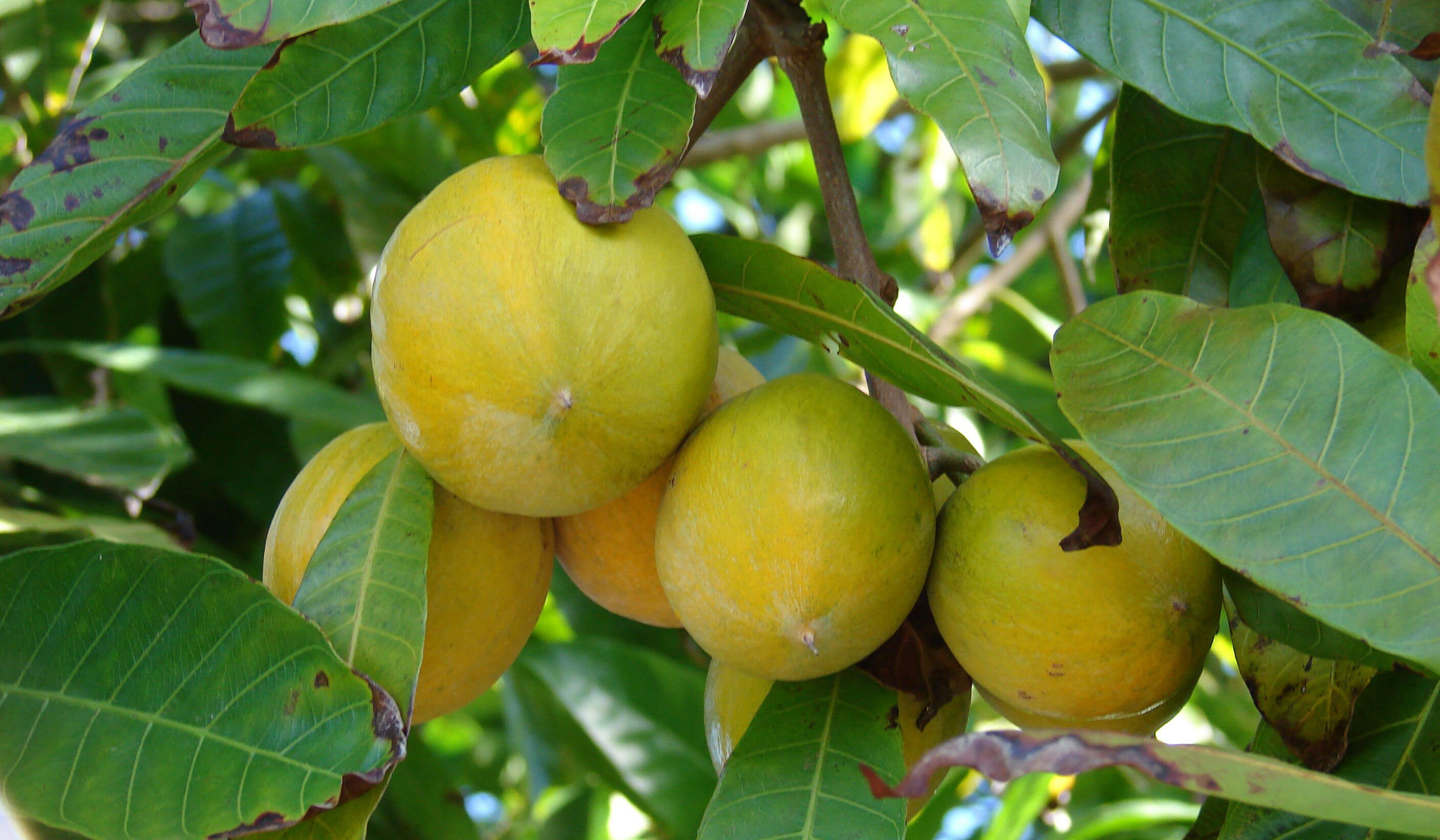
The tree can reach up to 10 meters in height, and all its parts contain a white latex. Its greenish, bell‑shaped flowers give rise to fruits that may be round or elongated. The fruit is harvested when its skin turns yellow‑orange.
The pulp, of the same color, has a rather dry, floury texture reminiscent of egg yolk. This is why, in English‑speaking countries, it is called “eggfruit.”
Medicinal Properties
A decoction made from its astringent bark is used as a febrifuge in Mexico and applied to skin eruptions in Cuba. A preparation made from the seeds has been used as a remedy for ulcers.
Uses
The fruit is mainly eaten raw. It has a sweet, musky flavor. In Florida, eggfruit is enjoyed with salt, pepper, and even mayonnaise.
The fruit can also be used to make jelly or jam, and even flour.
If you want, I can also prepare a shorter version for a museum panel, a tourism brochure, or a website.