History
The bell pepper, whose scientific name is Capsicum annuum (the same species as some chili peppers), is a mild variety of a cultivar belonging to the Solanaceae family. It originates from Mexico, Central America, and South America.
Its date of introduction to Martinique is completely unknown. It is unclear whether the bell pepper arrived in Martinique through the Arawaks or the Kalinago, or whether it was brought later by European colonists after French settlement. The only clue we have is that it was already present in the Caribbean before the arrival of Christopher Columbus. Dr. Chanca, the physician on Columbus’s expedition, wrote a report mentioning a plant called agi, which the Indigenous peoples used to season their food.
It was in the 16th century that the chili pepper—ancestor of the bell pepper—arrived in Europe following Columbus’s first voyage to the Americas. It then spread across Europe, but it was only in the 18th century that its mild form became popular. It established itself around the Mediterranean, where the warmer and more humid climate suited it better.
Varieties
The bell pepper is a highly polymorphic species, and the number of cultivated varieties is therefore immense. No precise figure exists, but the diversity is considerable.
In Martinique, the varieties grown include Pacific, Narval (B209), Magister, Yolo Wonder, Thétys, and Titan.
Bell pepper plants can be harvested year-round in Martinique thanks to the tropical climate. The plant has an upright habit and is more like a highly branched shrub.
The basal stems tend to become woody. The plant generally reaches 40 to 50 cm in height.
The alternate, lanceolate leaves taper to a point and are a glossy green. The numerous small flowers are white. The petals are fused and pointed, numbering between six and eight.
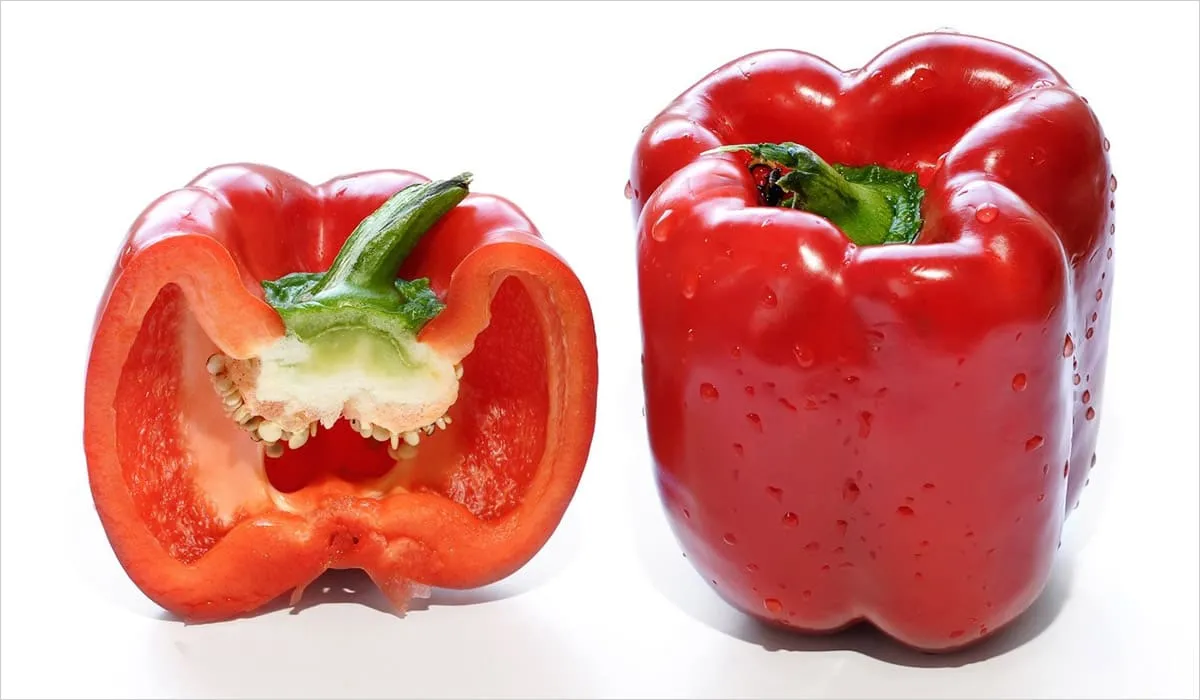
The fruit is a type of berry with a relatively thin flesh forming a sort of capsule surrounding a more or less voluminous placenta that bears many seeds.
On the outside, the skin is smooth and shiny, taking on bright colors (red, yellow, orange, purple, brown, or even black) when fully ripe.
The seeds are small, flat, kidney-shaped, and cream-colored. Bell peppers differ from chili peppers by having larger or fleshier fruits and by being generally free of capsaicin, the compound responsible for heat.
Medicinal properties
Rich in antioxidants, bell peppers help protect the body’s cells from damage caused by free radicals.
Their high vitamin C content provides energy while being very low in calories.
Their capsiates help prevent cancer and slow the multiplication of colon cancer cells. These compounds can also eliminate cancer cells, making bell peppers an excellent anticancer vegetable. Red bell peppers are more beneficial than green ones, as they contain 100% of the daily recommended intake of vitamin C.
A study conducted on rats showed that bell peppers can block the disruptive effects of certain molecules on memory processes. Luteolin appears to act by activating specific neural circuits involved in learning.
Bell peppers also help facilitate digestion by effectively stimulating intestinal transit.
It is worth noting that bell peppers have additional benefits depending on their color.
Uses
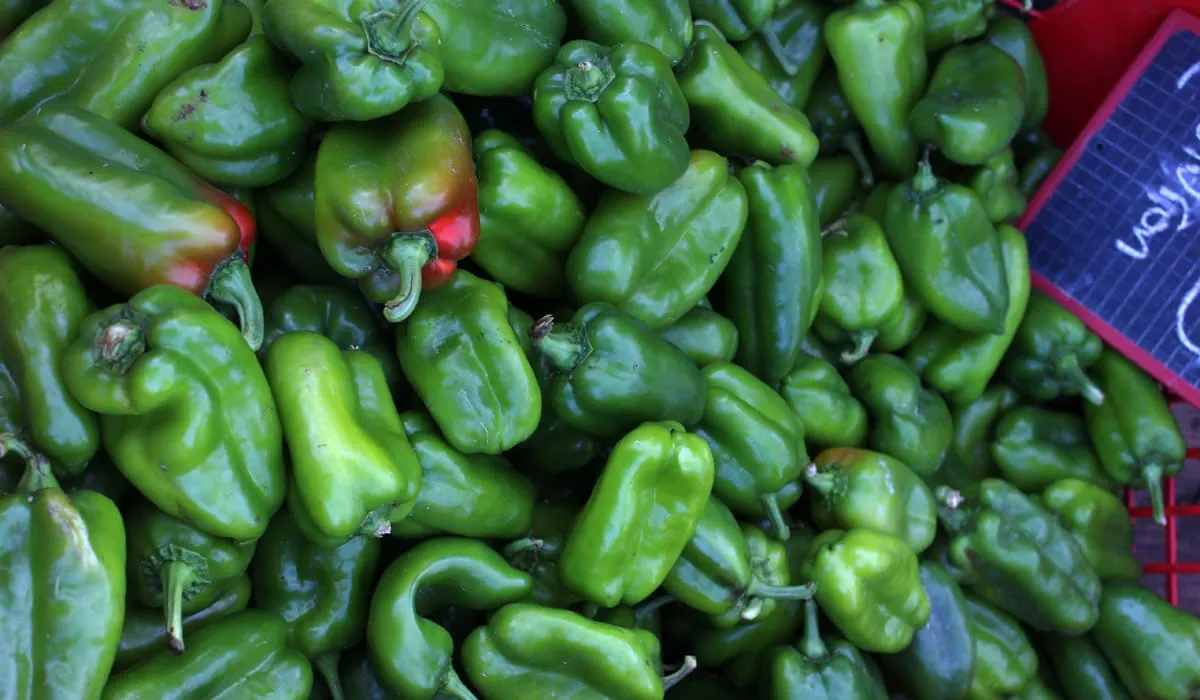
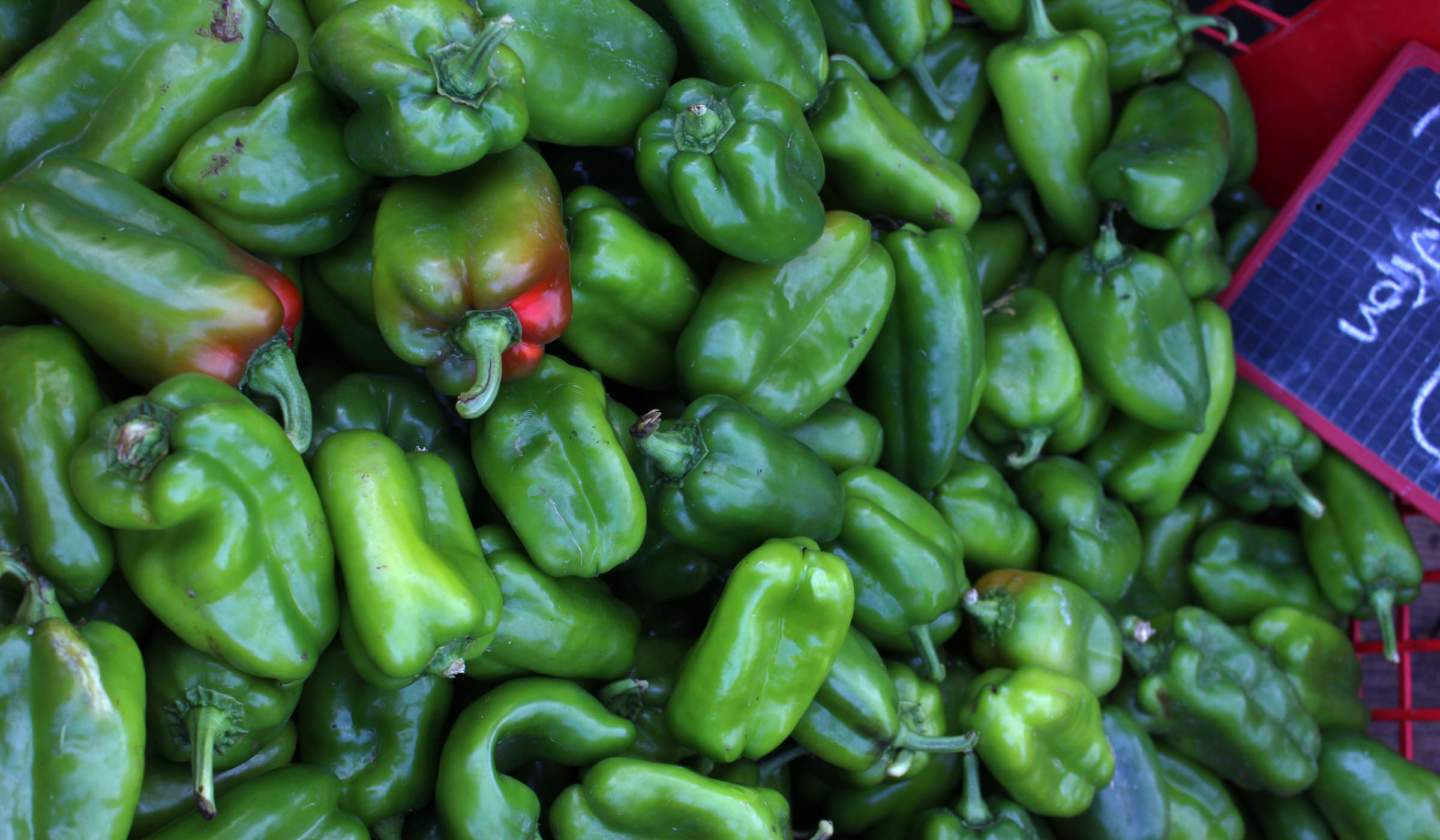
Bell peppers can be harvested either green or fully ripe. They are eaten as a vegetable, raw or cooked.
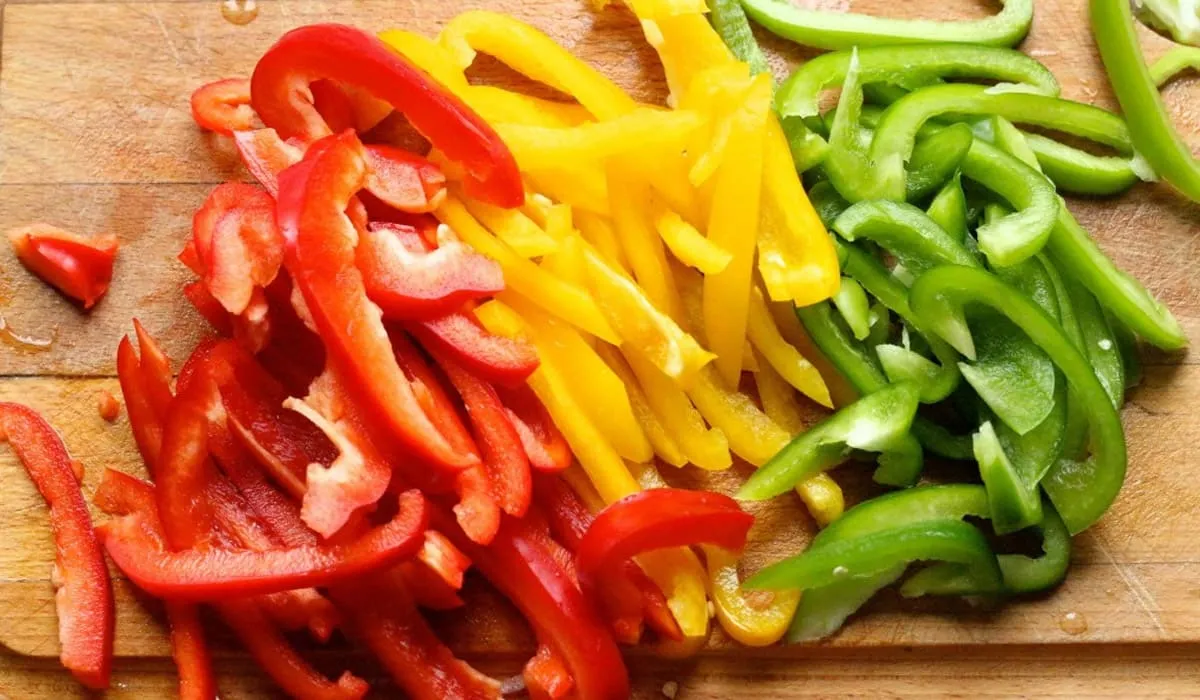
Cut into pieces, they are used in salads.
Cooked, bell peppers can be prepared in many ways: grilled, roasted, stewed, or stuffed.
Some varieties rich in terpenoids are used to produce natural colorants.