History
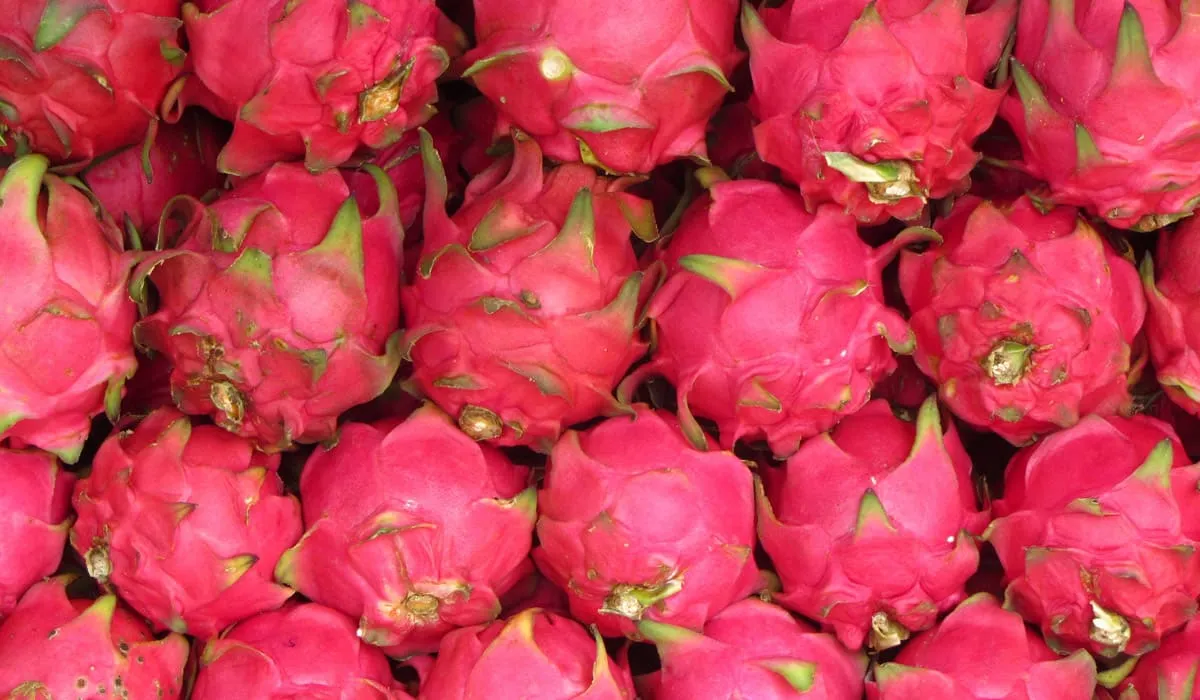
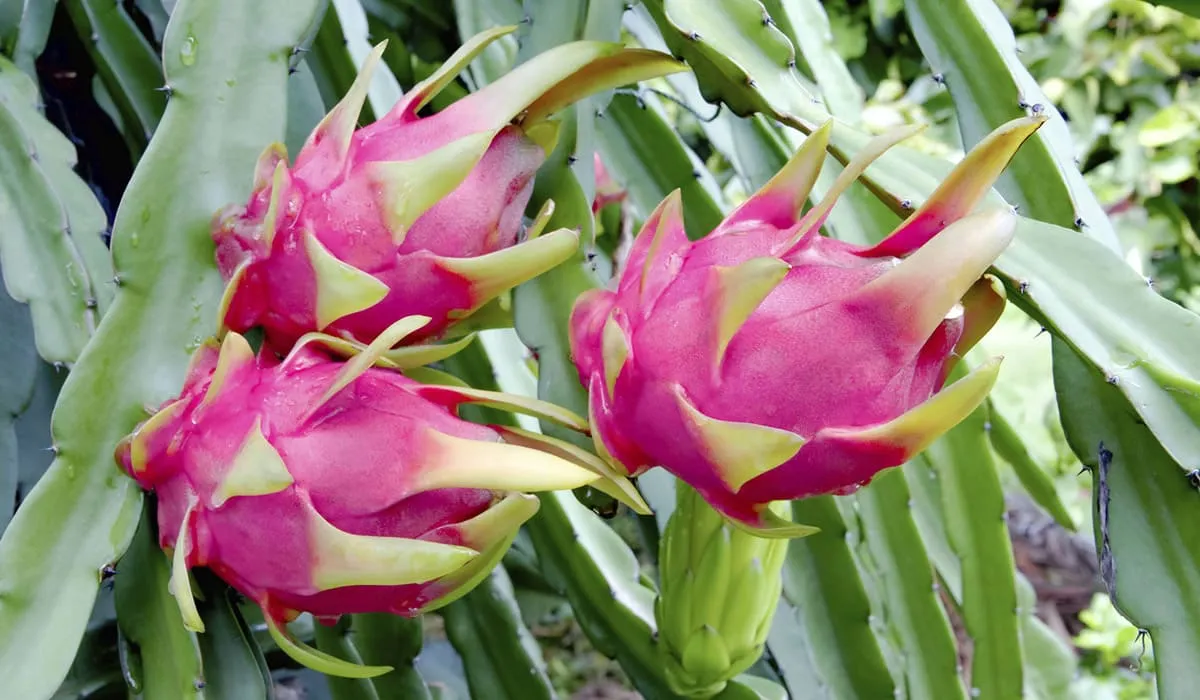
Pitaya, or pitahaya, whose Taíno name means “scaly fruit,” is the fruit of hemi-epiphytic cacti belonging to the genus Hylocereus. Also known as “dragon fruit,” it comes mainly from the species Hylocereus undatus (formerly H. triangularis).
Despite what its name suggests (“dragon fruit”), pitaya does not originate from China but from a region stretching from Mexico to Central America. The fruit, however, is believed not to have been introduced to Martinique; it may have been present there even before the arrival of the first Indigenous peoples.
In fact, the species Hylocereus undatus is thought to be native to the Lesser Antilles. The cactus, which resembles climbing vines, was later introduced to Vietnam by French colonists in the early 19th century. At first, the fruits were reserved for the royal family and then for the local bourgeoisie. They eventually became Vietnam’s leading export product and competed in price with Asia’s star fruit, the durian.
Varieties
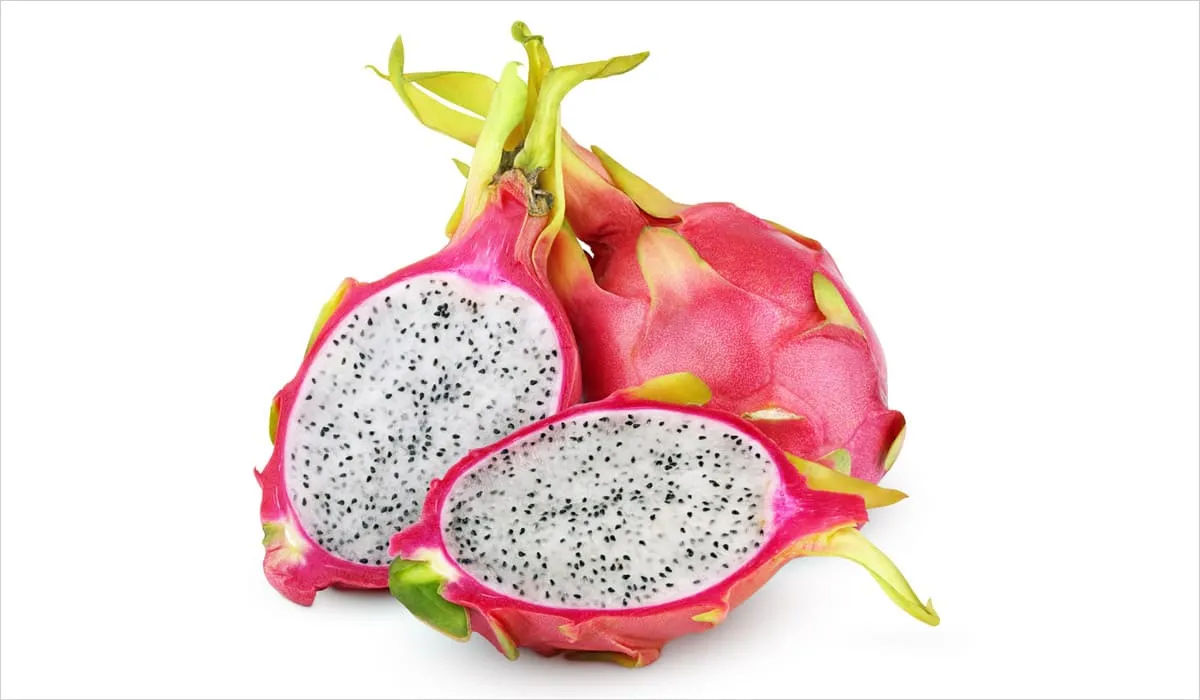
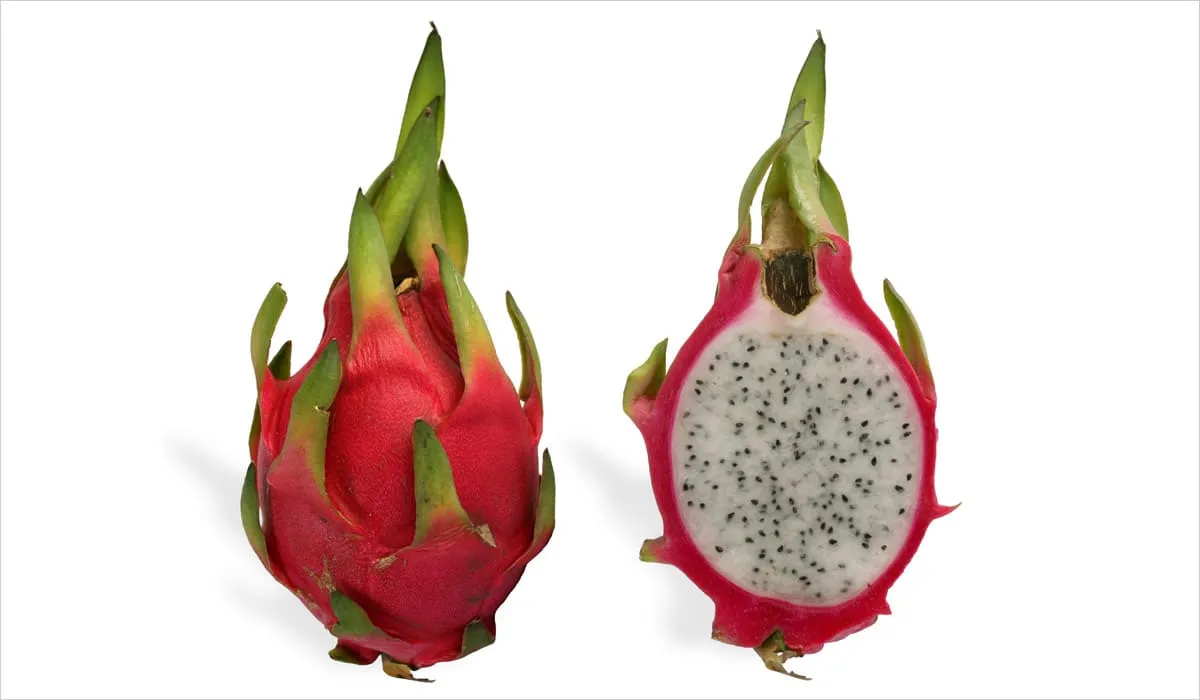
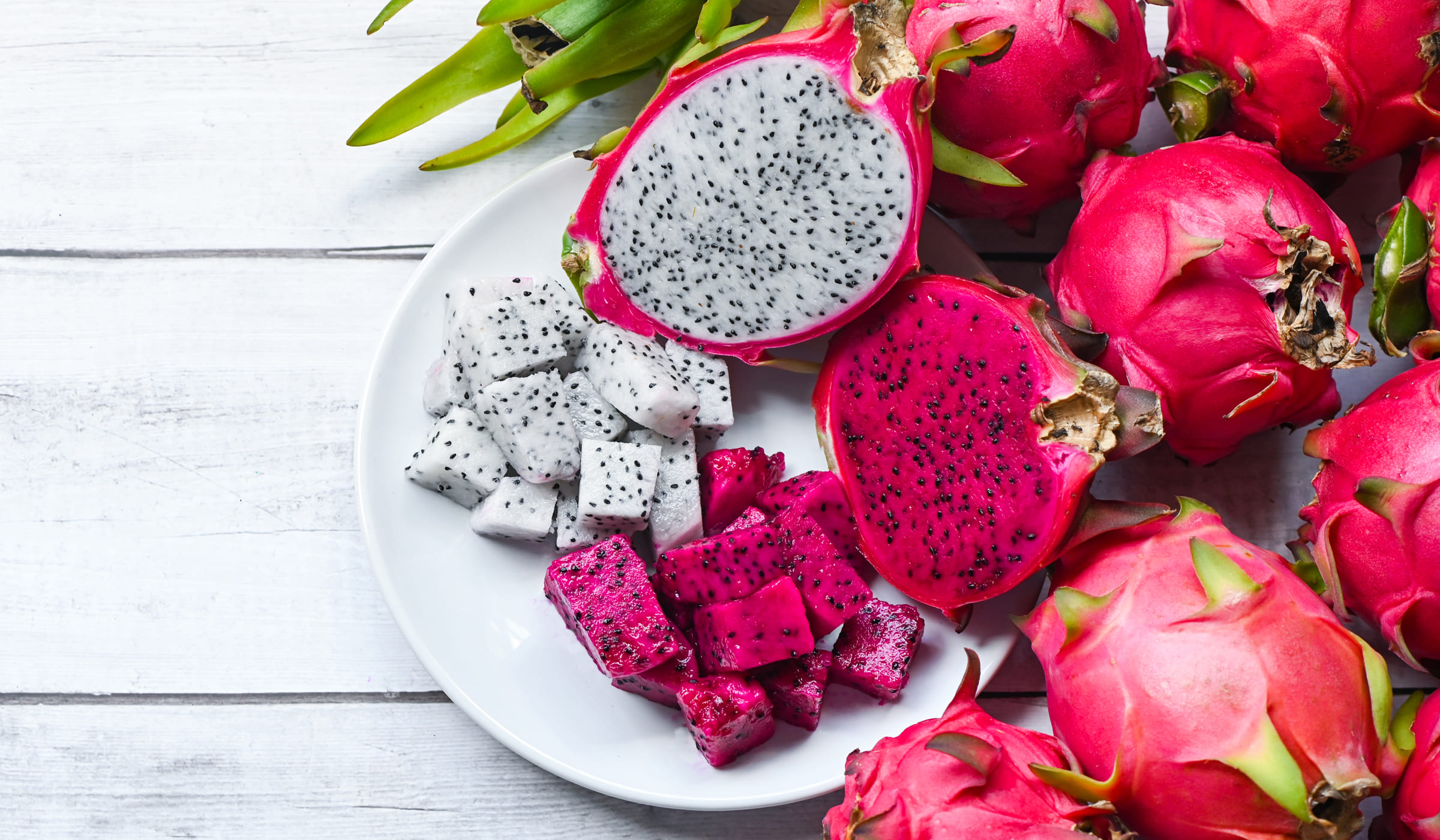
Pitaya is about ten centimeters long and weighs around 350 grams. Its flesh is edible and, with its texture and tiny black seeds, resembles that of kiwi, though with a much milder taste. There are three types of fruits, each from a different species, all edible, low in calories, and covered with a thick skin bearing small leaf-like scales:
- Hylocereus undatus: white flesh, pink skin (the variety found in Martinique).
- Hylocereus polyrhizus: red flesh, pink skin.
- Selenicereus megalanthus: white flesh, yellow skin.
Medicinal properties
Pitaya has digestive benefits, particularly for constipation, as the seeds have a mild laxative effect.
It is a very low-calorie fruit. One hundred grams contain only about fifty calories, and pitaya is rich in vitamins, minerals, fiber, antioxidants, and betacyanin (especially in the red-fleshed variety). Red pitaya (Hylocereus sp.) has a low vitamin content (116 to 171 mg per gram of fresh pulp).
However, the pulp is rich in antioxidants such as betacyanin (0.32 to 0.41 mg) and phenolic compounds. Its ORAC index ranges from 8.8 to 11.3 (antioxidant activity per gram expressed in micromoles of Trolox equivalents).
It is also a source of omega‑3. It helps reduce uric acid levels in the blood and therefore contributes to preventing gout. Providing vitamins, minerals, and fiber, dragon fruit is an excellent source of antioxidants—a true concentrate of well‑being.
Pitaya may help reduce the risk of high blood pressure and cardiovascular diseases. The experience of eating pitaya is similar to that of eating kiwi.
Uses
Pitaya is eaten raw. To benefit fully from its properties, it is recommended to consume it between meals. The seeds, similar in size to sesame seeds, are scattered throughout the pulp and are eaten along with the fruit.
It can also be made into juice or wine. It is delicious in smoothies, especially when combined with passion fruit and mango. The large flower of the pitaya is also edible and can be used to make tea.