History
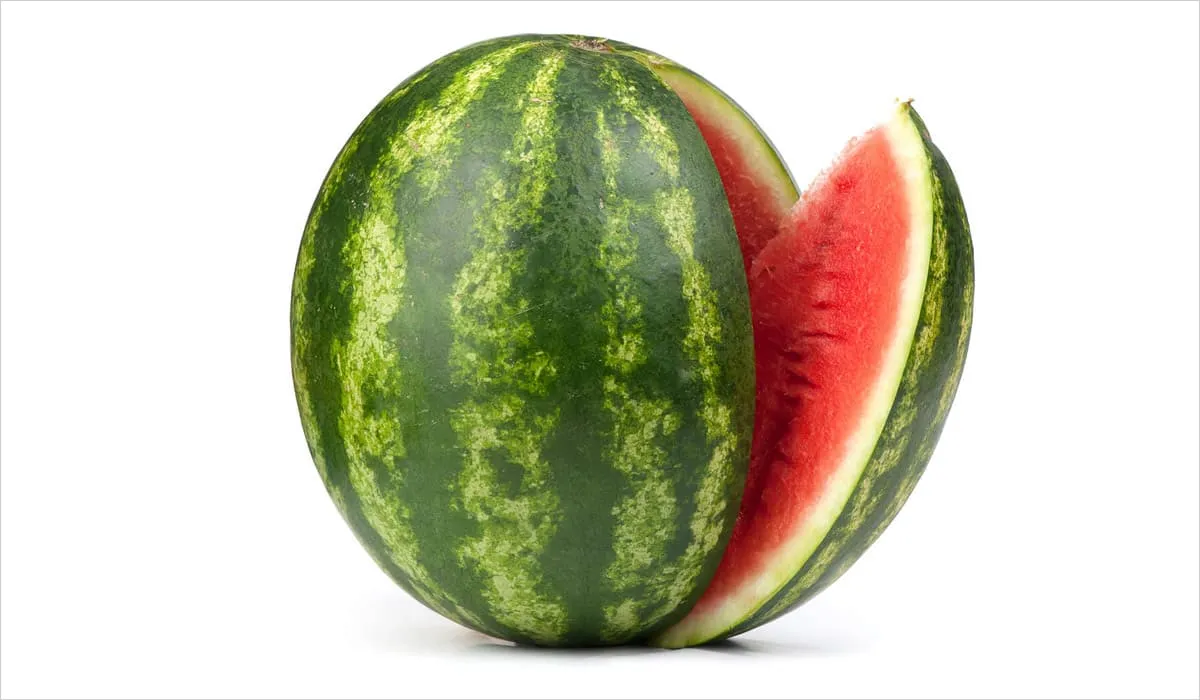
Watermelon, scientifically known as Citrullus lanatus, originates from the Nile Valley and the Arabian Peninsula. It is also called “melon d'eau,” echoing its English name “watermelon.” Indeed, it is one of the fruits richest in water, making up about 92% of its composition. From its regions of origin, it spread throughout the Mediterranean basin (Spain, Italy, southern France). It is believed to have been brought to the Caribbean by European colonists around the 18th century.
Varieties
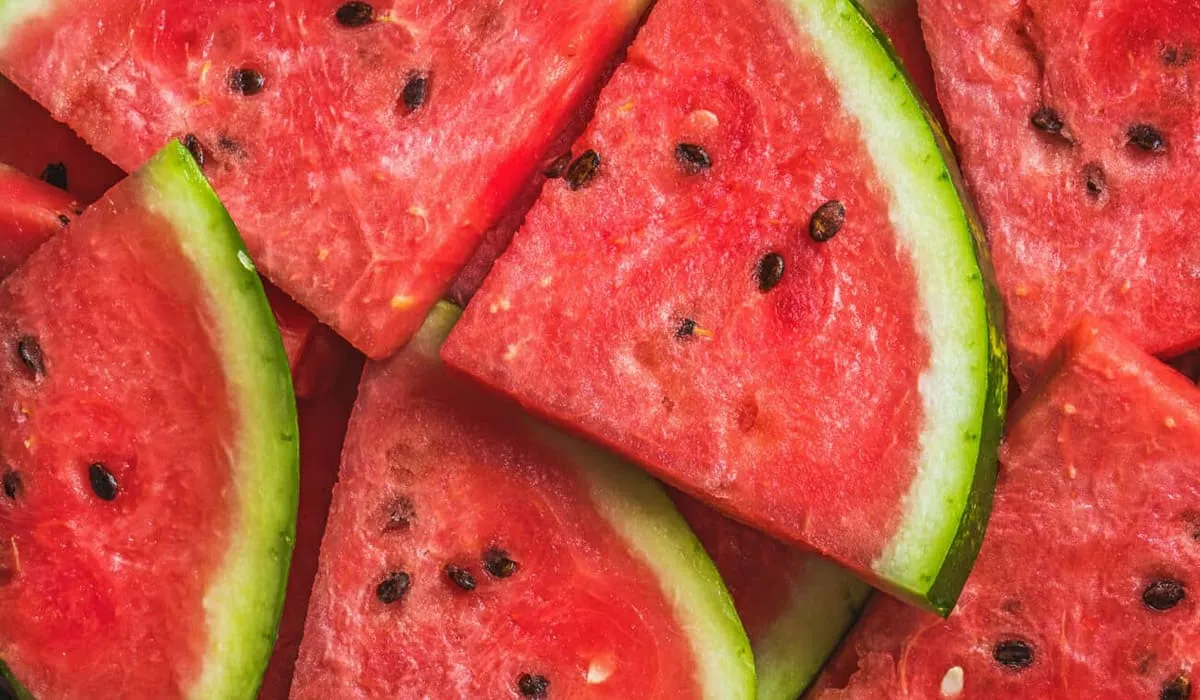
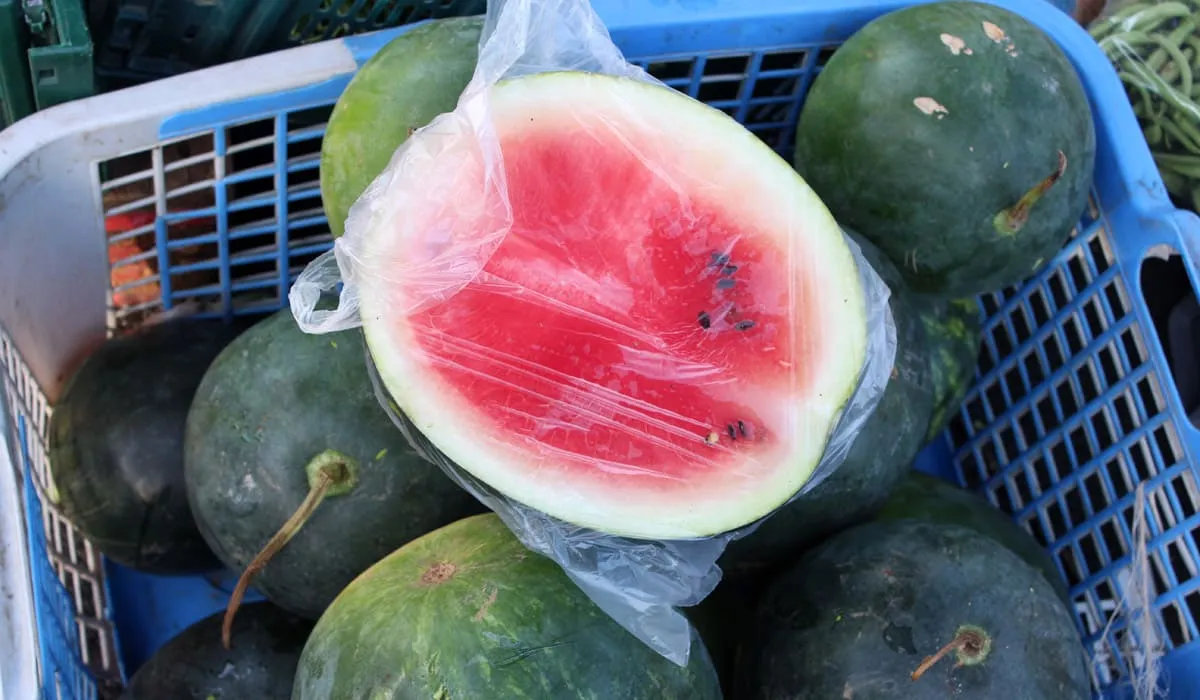
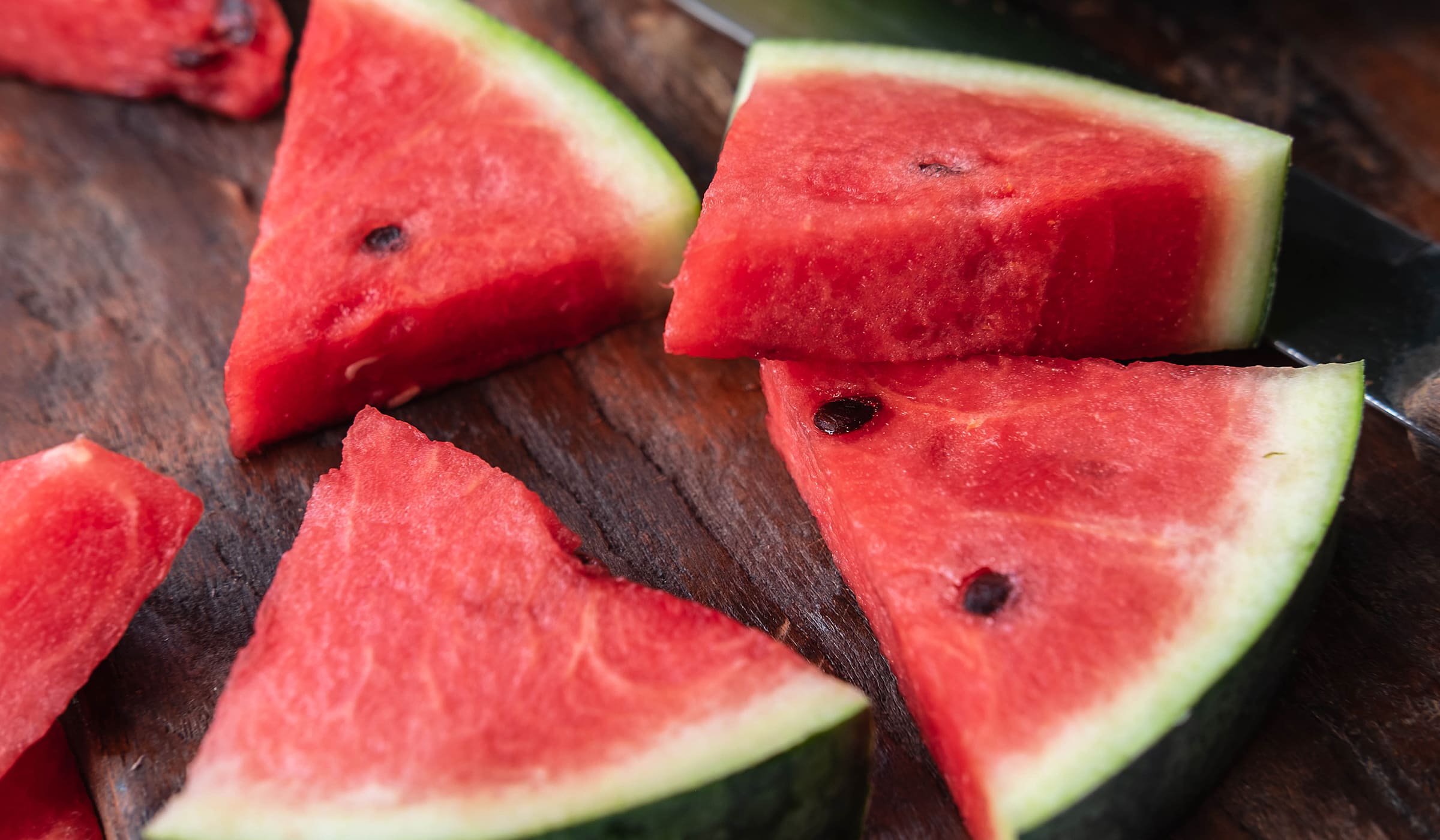
There are many varieties depending on the fruit’s region of origin. The Martinican watermelon is not intended for export, so it is not the one found in markets in mainland France. The watermelon grows on a vine that creeps along the ground, much like a melon or a pumpkin. It has a thick green rind that hides a translucent red flesh filled with black seeds.
Its size varies from 30 to 40 cm, and some varieties can weigh up to 35 kg. In Martinique, however, watermelons rarely exceed 15 kg. The plant germinates easily, spitting a few seeds into nature is often enough for a plant to sprout and produce fruit a few months later.
Medicinal properties
High watermelon consumption may reduce the risk of prostate cancer. One study also showed that consuming powdered watermelon supplements improved arterial function in individuals with hypertension.
Watermelon may also help reduce the risk of cardiovascular diseases, certain cancers, and other chronic illnesses. The antioxidants found in fruits and vegetables may play a role in these protective effects.
Watermelon contains carotenoids, which are known to lower the risk of developing certain cancers.
Uses
Martinican watermelon is consumed only locally. It is a fruit that is eaten primarily raw.
According to a Spanish saying, watermelon serves to quench thirst, nourish, and cleanse. The fruit is also believed to have dermatological benefits. To improve complexion, it is said that placing pieces of the fruit on the skin until the juice dries can help achieve a healthy glow.
If you want, I can also help you harmonize this translation for a brochure, museum panel, or educational booklet, just tell me the target audience or tone you’re aiming for.