Description
The Peruvian ragweed, whose scientific name is Ambrosia peruviana, is a perennial herbaceous plant of short duration. It is originally from Latin America and the Caribbean. Moreover, it is endemic to Martinique. It comes from the Asteraceae family. It is also known under the name of artemisia, its name in the Spanish islands. Not to be confused with Artemisia annua, which is an entirely different species.
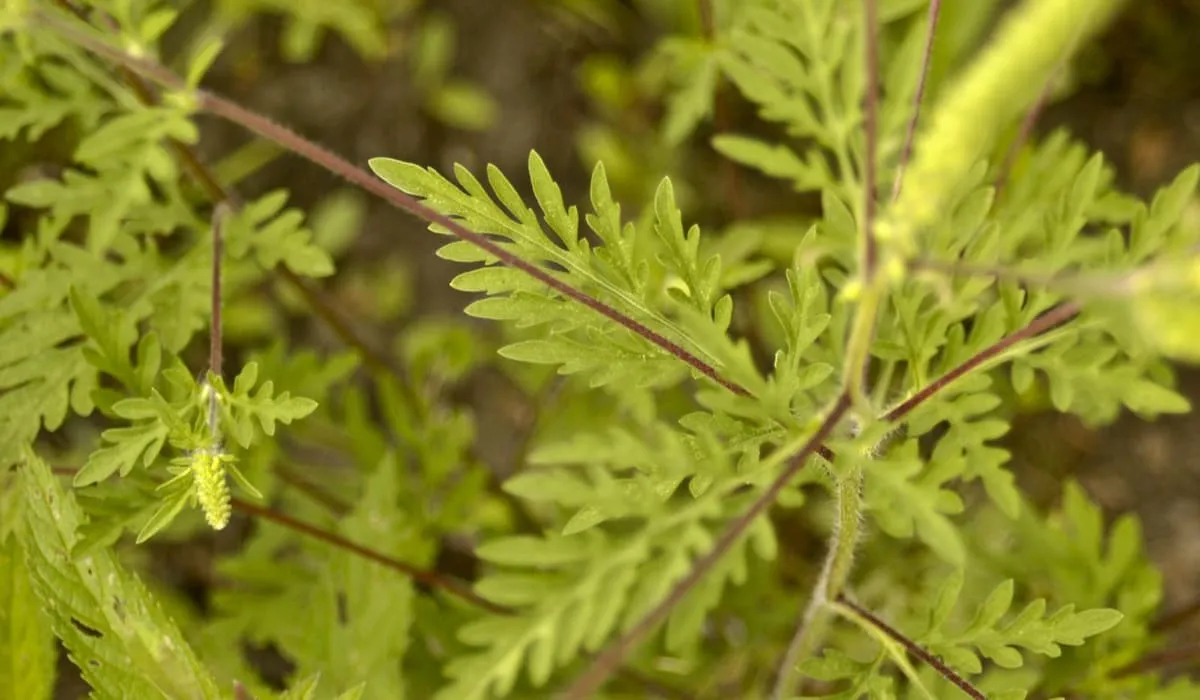
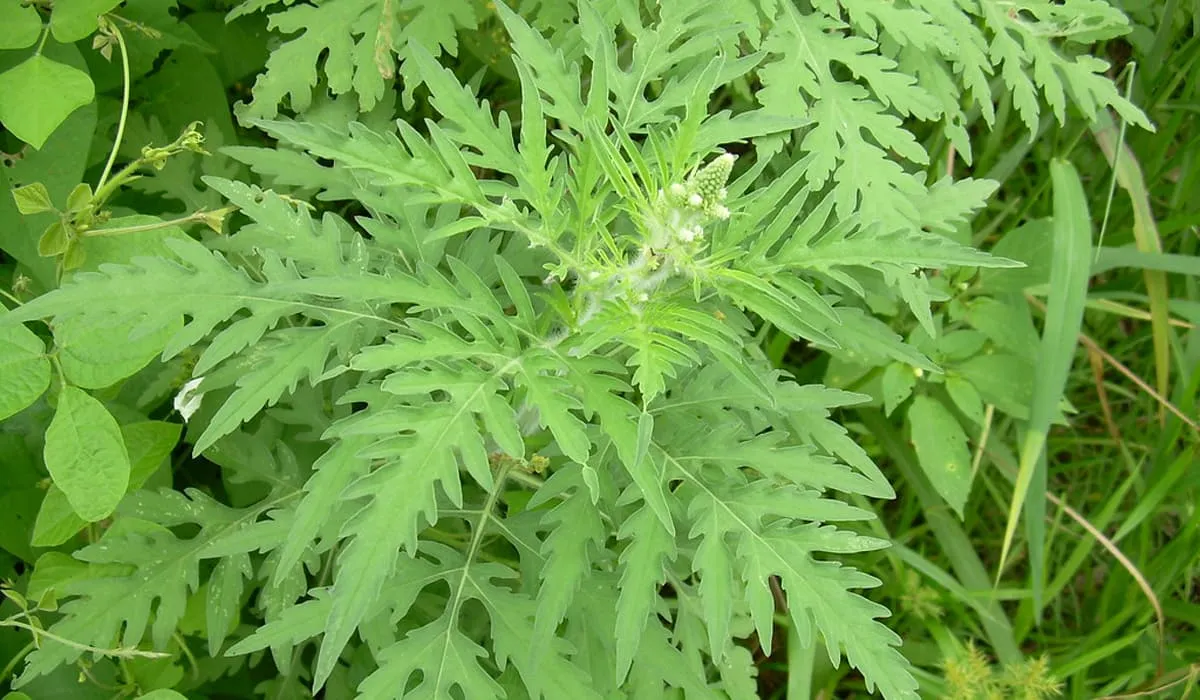
Peruvian ragweed can reach a maximum of 1.5 meters in height. Its root can be a taproot, the base sometimes becoming woody.
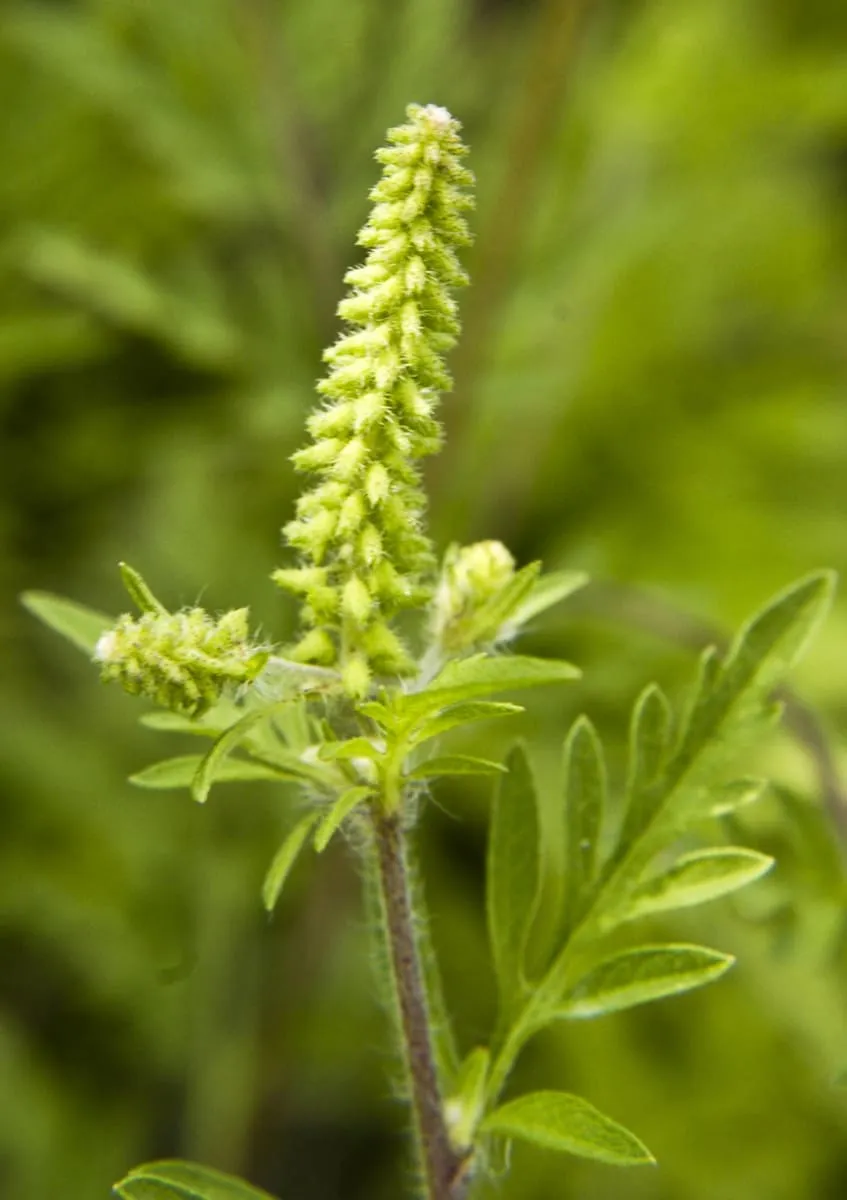
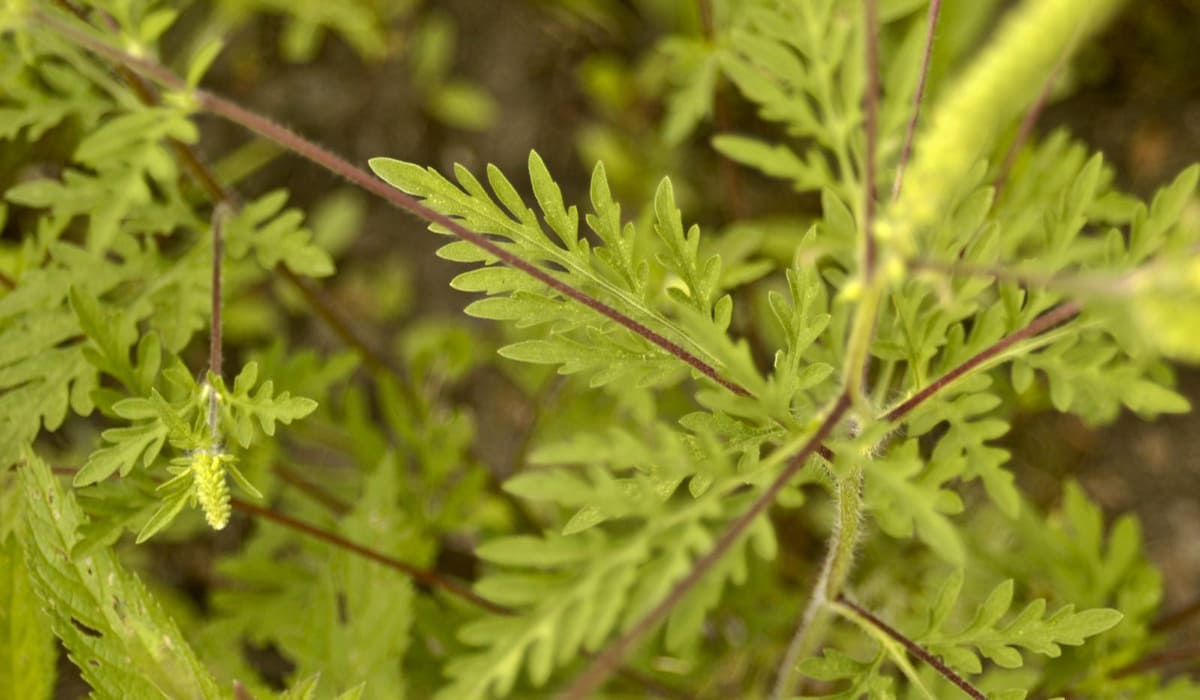
The stems are sparsely branched from the main axis. The green leaves are usually alternate and stalked.
Therapeutic virtues
Ambrosia is considered to be a miracle plant because of its many medicinal properties. Moreover, Ambrosia comes from the Greek, which means "food of the gods".
Absinthe would be a recognized anti-cancer and would have antiviral, antibacterial, analgesic, and antiseptic properties. Moreover, absinthe is cultivated mainly for its therapeutic virtues but also as an ornamental plant and in pots.
Absinthe is anti-allergic, anti-inflammatory and hypotensive.
It is possible to prepare it as an infusion or to let it macerate in water or alcohol. It is also possible to consume the leaves orally. In some cases, it is recommended to apply parts of the plant, most often the leaves and stem, directly to a painful area to see the ailment subside.
Its infusion of leaves or stems would relieve headaches, colic and stomach aches. It is also possible to let the leaves steep in alcohol to reduce headaches.
Absinthe is also effective against cardiac arrhythmias.
It helps relieve muscle and joint pain. It relaxes them after applying the fresh leaves to the painful area by rubbing them.
It is also a hair protector.
Peruvian ragweed relieves uterine fibroids, menstrual cramps, and migraines.
Be careful, however, a high consumption of Peruvian ragweed would be toxic.
How to grow it
Peruvian ragweed is considered a common herb of pastures, disturbed sites, roadsides and riverbanks.
Its tendency to grow in isolated clusters among other vegetation suggests that the plant may possess allelopathic activity (the process by which plants release phytotoxic compounds into the soil environment, harming neighboring plants and preventing the growth of other plants), a trait previously reported for other members of the genus. Its presence in the soil would allow it to eliminate weeds and thus avoid the use of insecticides harmful to the soil.
Peruvian ragweed is fast growing and has the potential to displace native vegetation within its introduced range, especially after disturbance such as overgrazing, clearing or construction.
Peruvian ragweed can be grown in pots. It does not require special care.