History
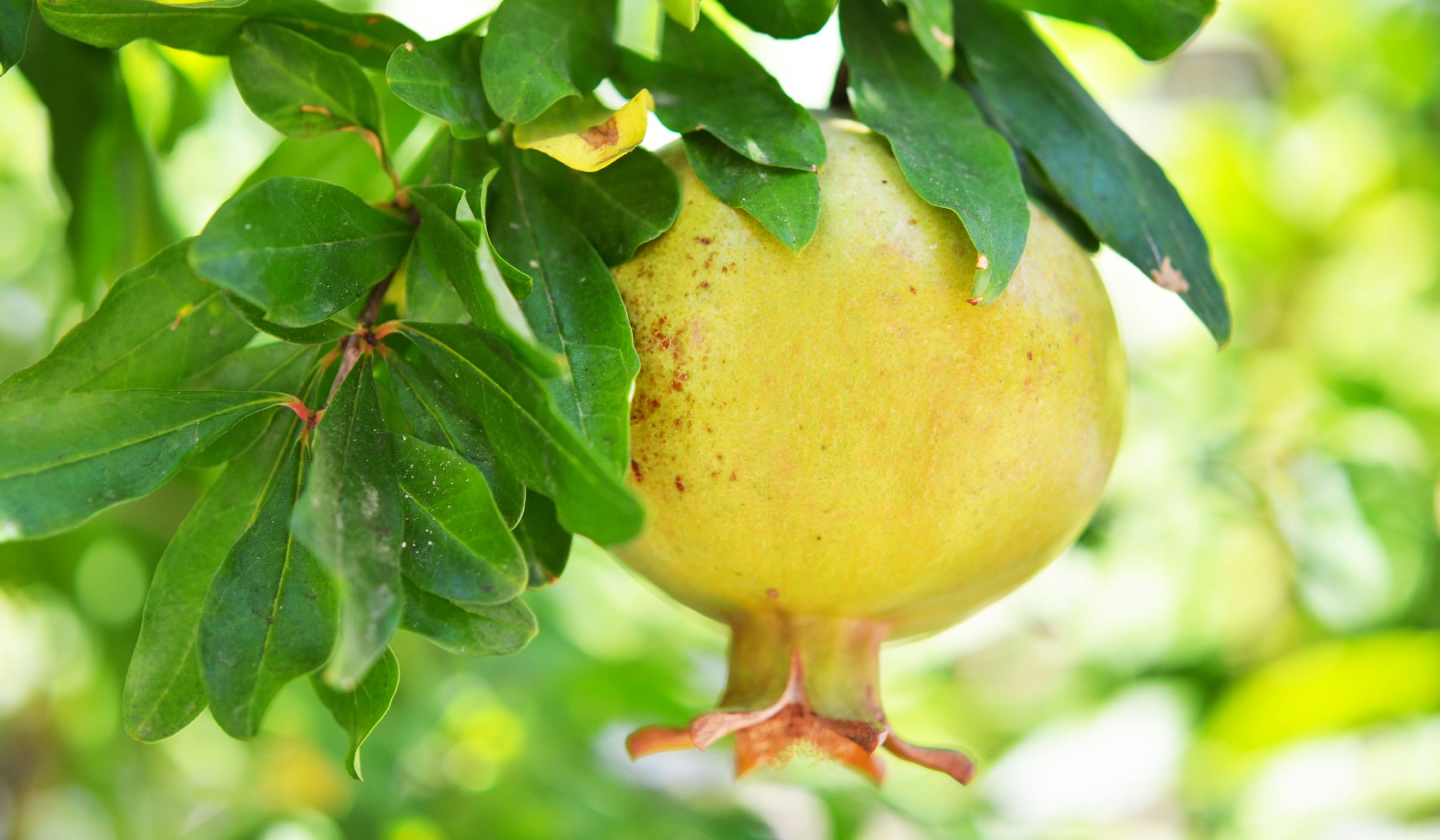
The pomegranate, whose scientific name is Punica granatum, is believed to originate from Central Asia and/or Europe. Both regions have claimed the presence of the pomegranate since prehistoric times. It was brought to the Caribbean and Latin America by Spanish colonists. The pomegranate symbolizes vitality and fertility.
Varieties
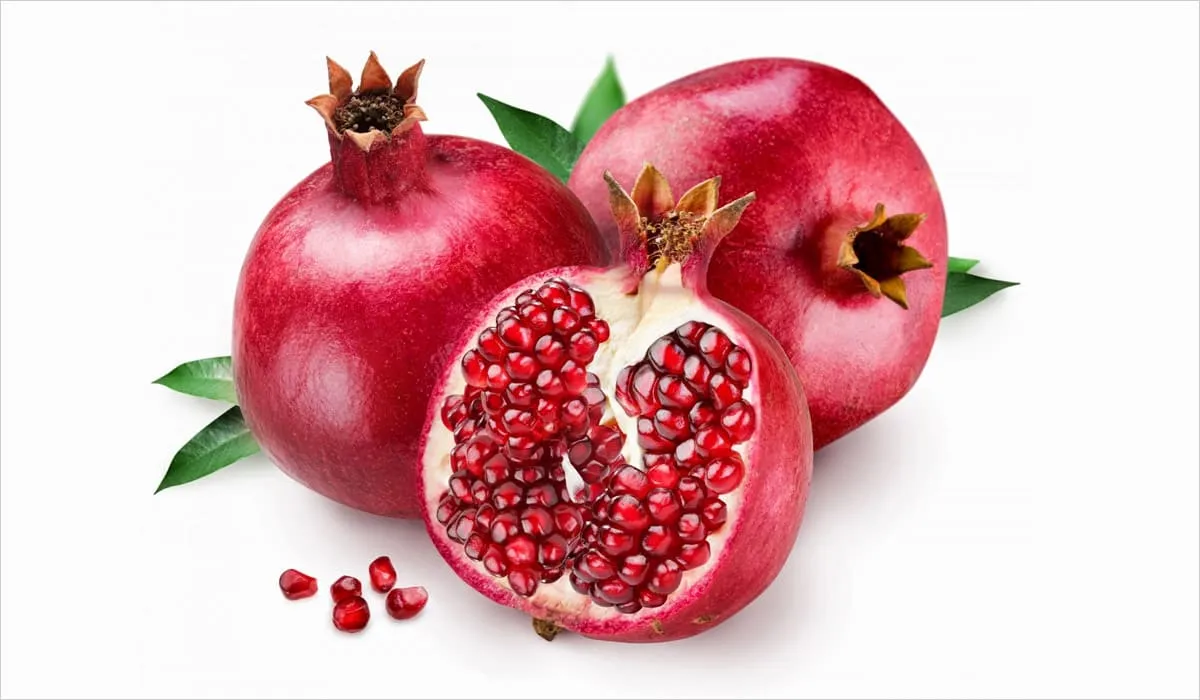
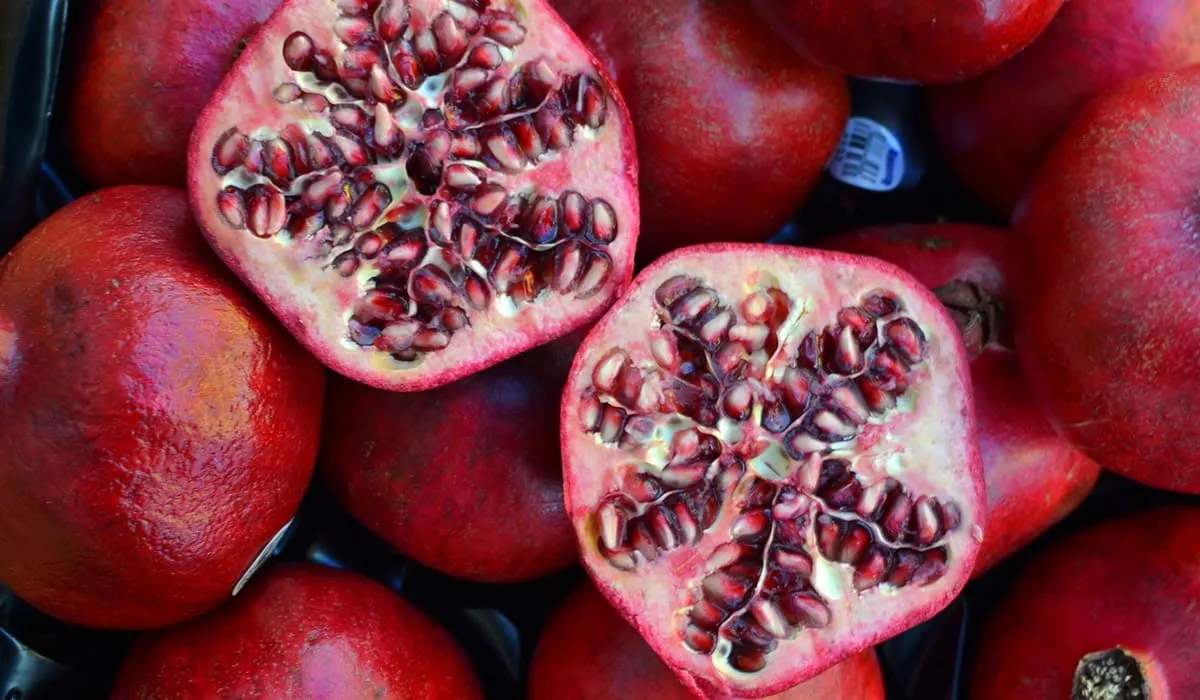
There are many varieties, most of which are edible. Pomegranate trees cultivated only for their flowers and inedible fruits are used for ornamental purposes. The pomegranate has a thick, inedible skin. The inside of the fruit is divided into several sections separated by inedible membranes. The pulp is often eaten as is.
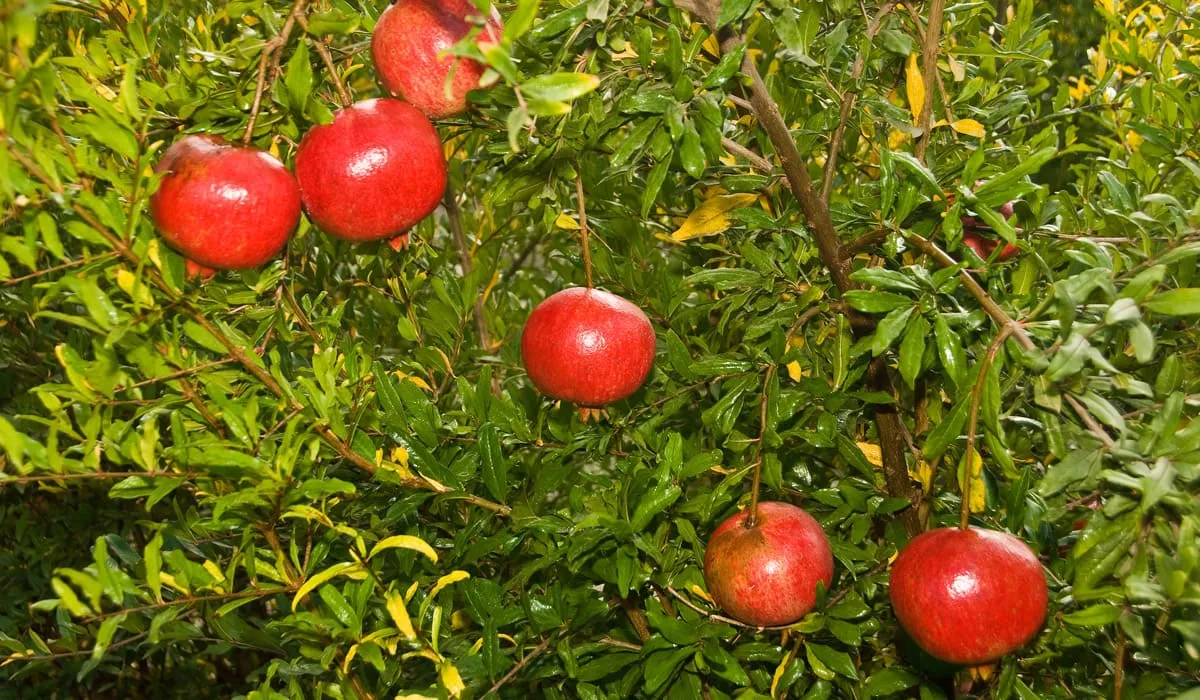
The pomegranate tree is a small, self-fertile, monoecious shrub-like tree typical of Mediterranean regions and can reach up to 6 meters in height. It can live up to 200 years but is most productive during its first 20 years of fruiting.
Its bark is gray‑beige and tends to crack and peel with age.
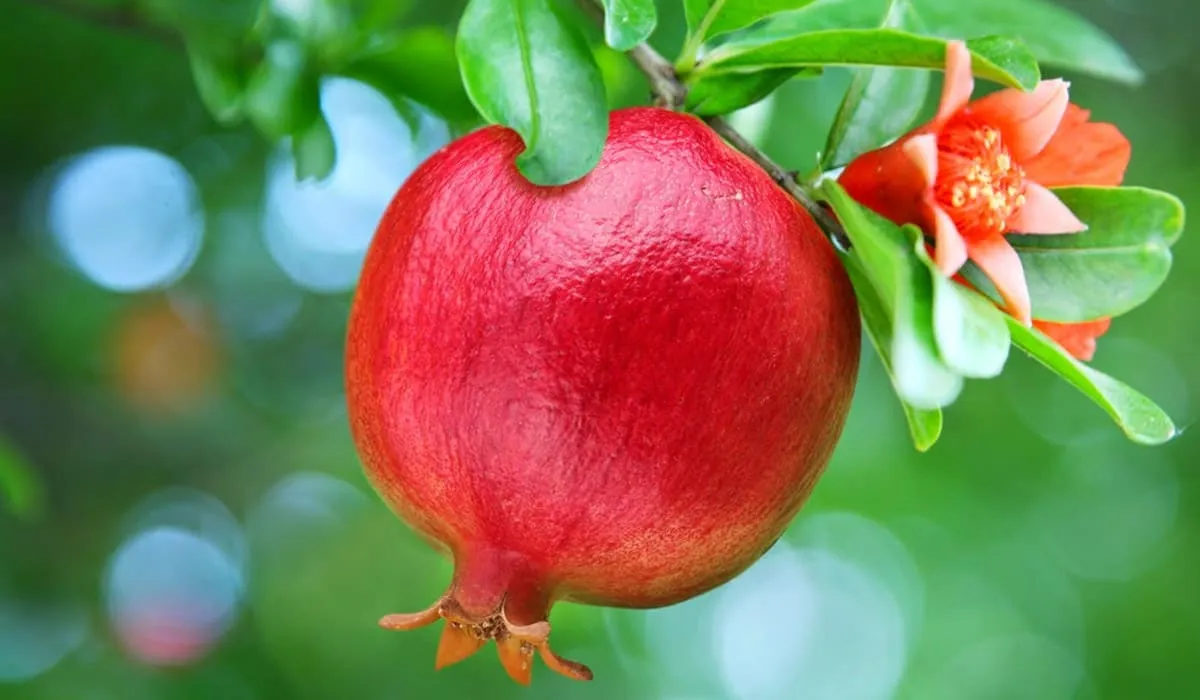
Its leaves, generally deciduous, though some varieties are evergreen in certain climates, are opposite and measure 3 to 7 cm long and 1 to 2 cm wide.
Its bright red flowers measure about 3 cm in diameter and appear in three waves from May to August.
Medicinal properties
The pomegranate has long been recognized for its many therapeutic and medicinal benefits. It is known as a remedy against tapeworms (parasites responsible for stomach pain, weight loss, etc.). The fruit’s skin and the root bark paralyze the worm, which is then expelled after taking a laxative.
Pomegranate leaves can be boiled and infused to produce a solution effective against sore throats and persistent coughs.
Decoctions made from pomegranate bark are used for poor digestion, diarrhea, and colic. Recent studies have shown that regular consumption of pomegranate juice reduces the formation of atheroma plaque (cholesterol deposits in artery walls). A decrease in blood pressure has also been observed in hypertensive patients after daily consumption of pomegranate juice.
Extracts of fermented juice and pomegranate peel may reduce the proliferation of cancer cells. This inhibitory effect appears to apply to breast, prostate, and colon cancers.
Pomegranate has strong antioxidant properties. Antioxidants help fight free radicals present in the body. Free radicals can contribute to cancer, cellular aging, and cardiovascular diseases. Its antioxidant power is higher than that of red wine or green tea.
Uses
Pomegranate is eaten raw, in salads, as juice, or made into jam or jelly. However, pomegranate jam and jelly are imported products in Martinique and are not produced locally.