History
The raspberry species Rubus rosifolius arrived in the Lesser Antilles and the Americas during the colonization period. It is native to Southeast Asia, specifically the mangrove regions of the Himalayas, East Asia, and eastern Australia. Its date of introduction in Martinique is unknown.
After reaching the Caribbean islands, it gradually spread into the humid and high‑altitude regions of Martinique. It is common to see raspberries while climbing Montagne Pelée.
Today, the raspberry is found in large quantities in Brazil, particularly in the states of Minas Gerais, Rio de Janeiro, and the neighborhoods of São Francisco.
Varieties
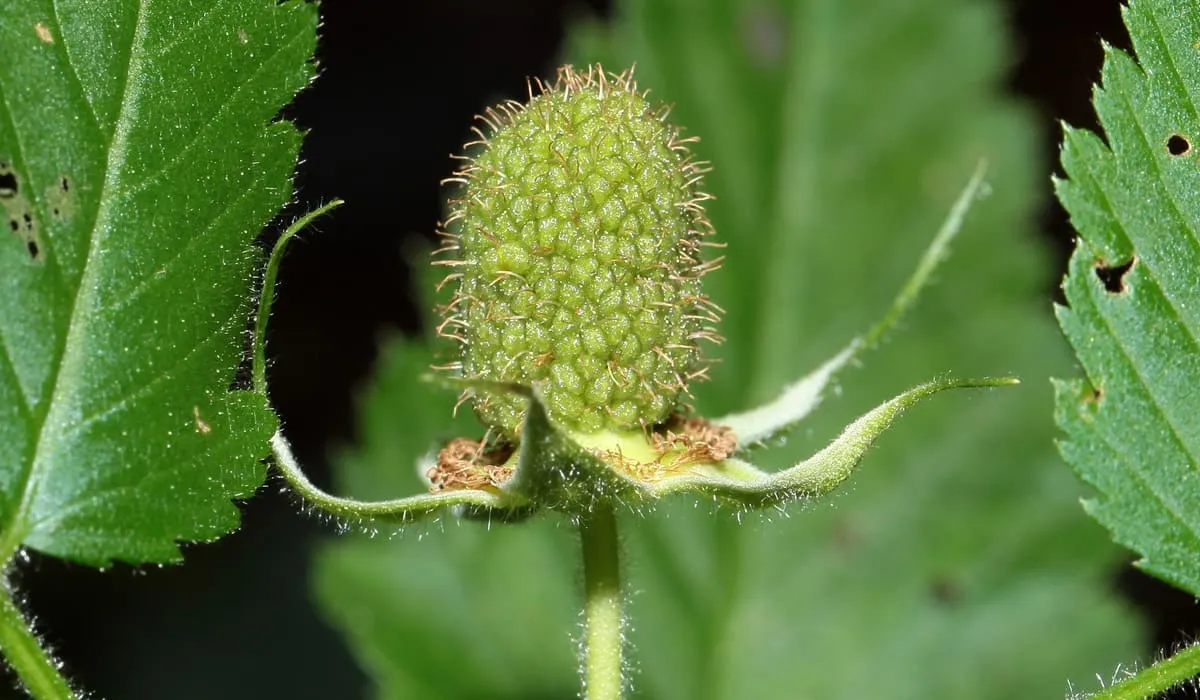
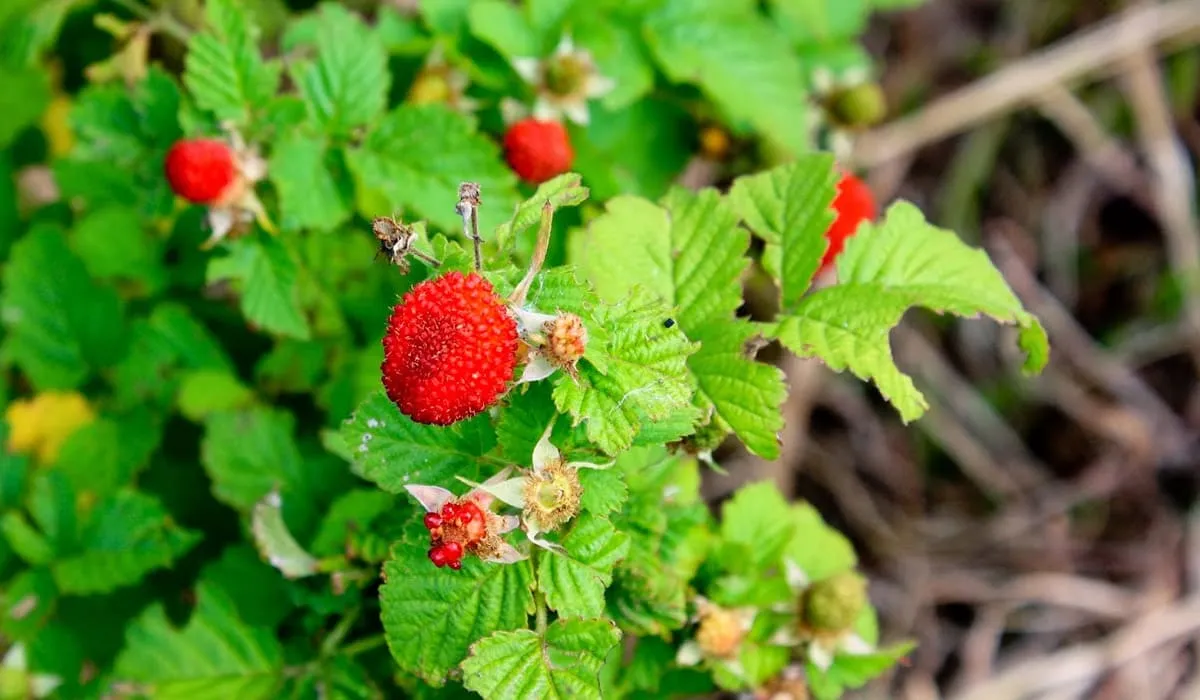
The number of varieties is unknown. The fruit, initially green, turns red when ripe and is generally about 2 cm long. The shrub, with its drooping stems, can reach a height of 1.5 meters.
Its toothed leaves are composed of 5 to 7 leaflets, with small spines on the underside. The plant also produces white flowers with five petals. The fruits are harvested from November to June, and flowering occurs from October to May.
Medicinal properties
The leaves can be used to make a tea for diarrhea, menstrual pain, labor pain, and morning sickness. They soothe digestive discomfort and stimulate appetite. They also contain essential oils.
A decoction of the leaves treats mouth ailments, such as canker sores and gingivitis. When used as a compress, the infusion promotes wound healing.
Uses
In Martinique, the fruit is eaten fresh, especially in fruit salads (with oranges, pineapple, lychees, etc.).
It is not very juicy and has a mild flavor, though it is not particularly strong in taste. It is also used to make jam or the famous punch Matouba. Around the world, it is used to make syrups and fruit pastes (such as in New Caledonia).