Centre de découverte des Sciences et de la Terre

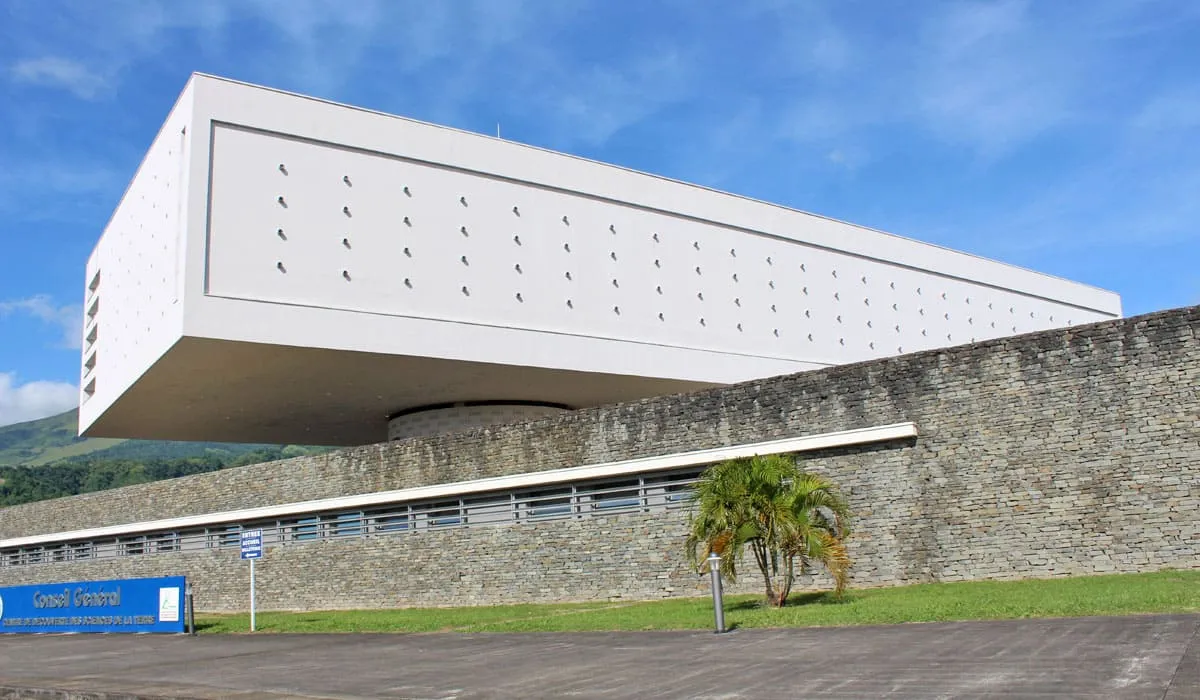
The Earth Sciences Discovery Center (CDST) of the Martinique General Council was inaugurated in 2004. This earthquake‑resistant building is designed as a key venue dedicated to Earth sciences—geology, volcanology, petrography, and soil science—and to showing how such knowledge can help protect people from natural disasters.

The CDST was built next to the ruins of the former Pérrinelle estate, near the Fort district, which was declared an archaeological sanctuary in September 1989. On this land, granted in 1640 by Jacques‑Dyel Du Parquet, the first governor of Martinique, the Jesuits built their convent and the first sugar mill of Saint‑Pierre. They cultivated the estate until the suppression of their order in 1762.

In 1770, Mr. Pérrinelle purchased the property, which regained its prosperity, producing 400 tons of sugar and 400,000 liters of rum per year until the 1902 eruption.

Symbolically located at the foot of Mount Pelée, the CDST plays a key role in promoting scientific outreach on the island, particularly in the northern region.

The visit is conducted with audioguides, and exhibitions are held regularly.

From Fort‑de‑France, head toward Saint‑Pierre. As you leave Saint‑Pierre toward Le Prêcheur, 700 meters after the Roxelane River bridge, turn right toward the CDST.
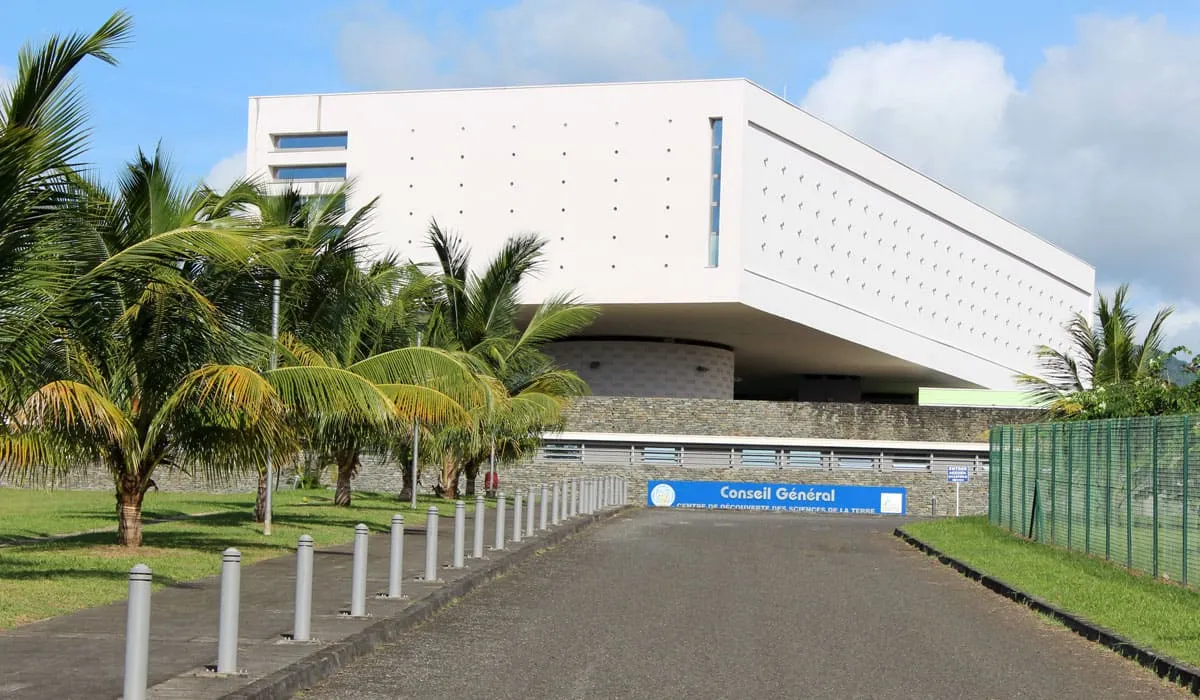
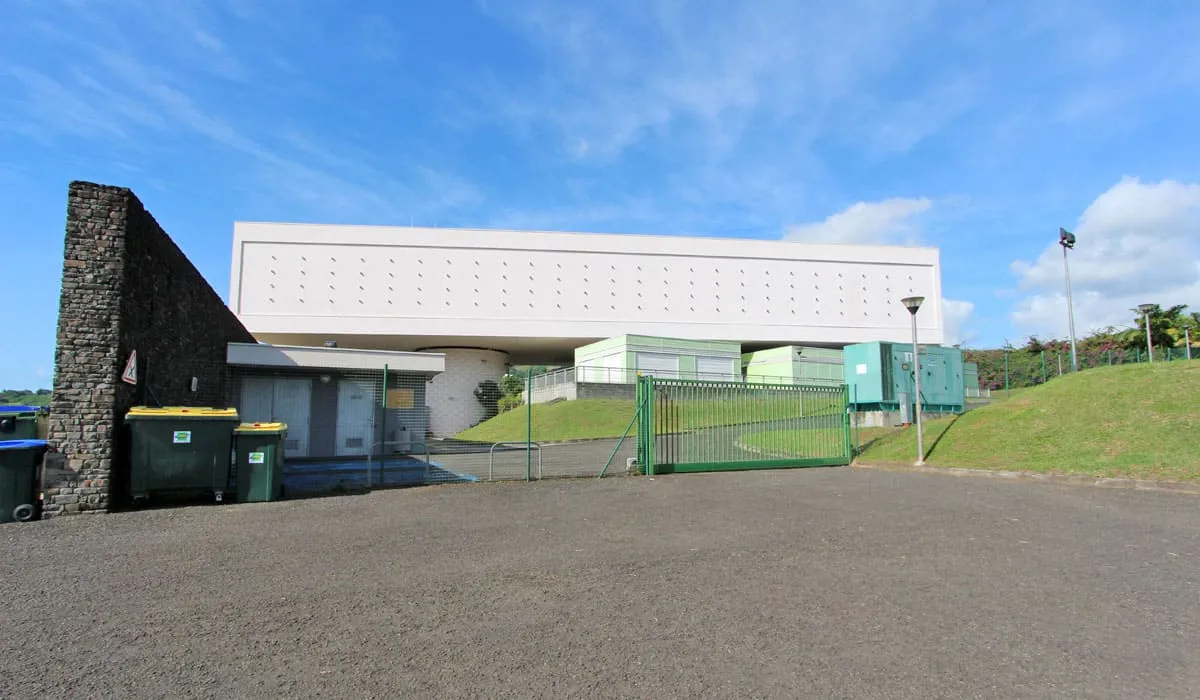
Photo gallery
Centre de découverte des Sciences et de la Terre

Observatoire du Morne des Cadets

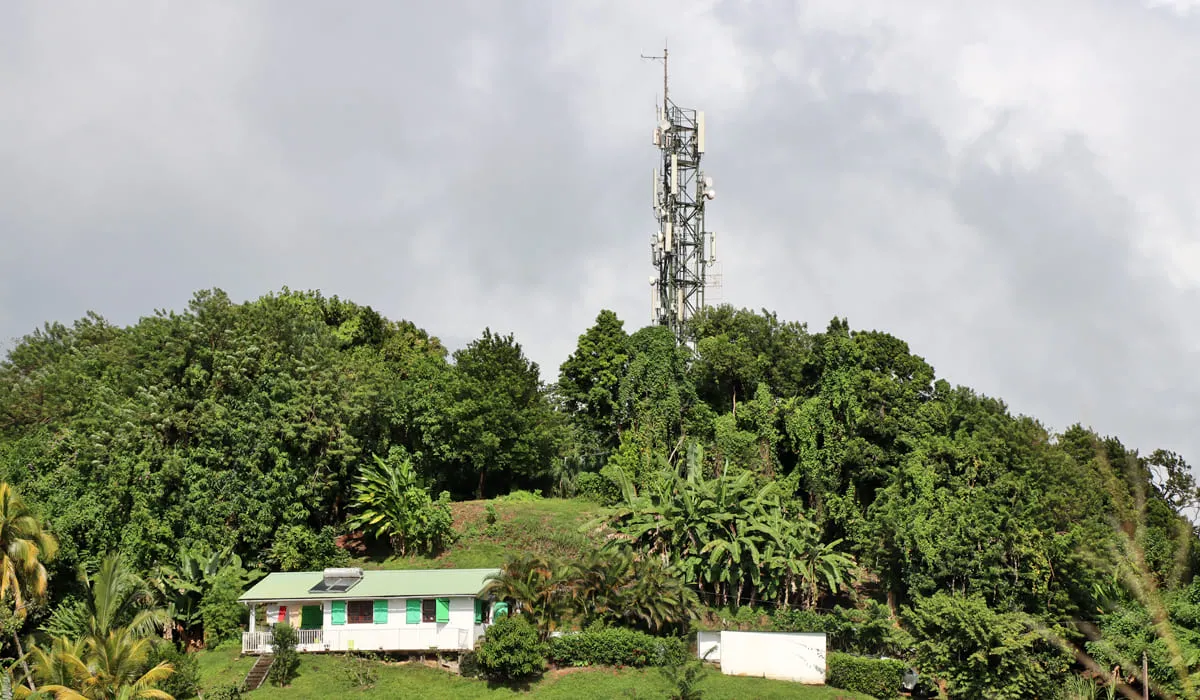
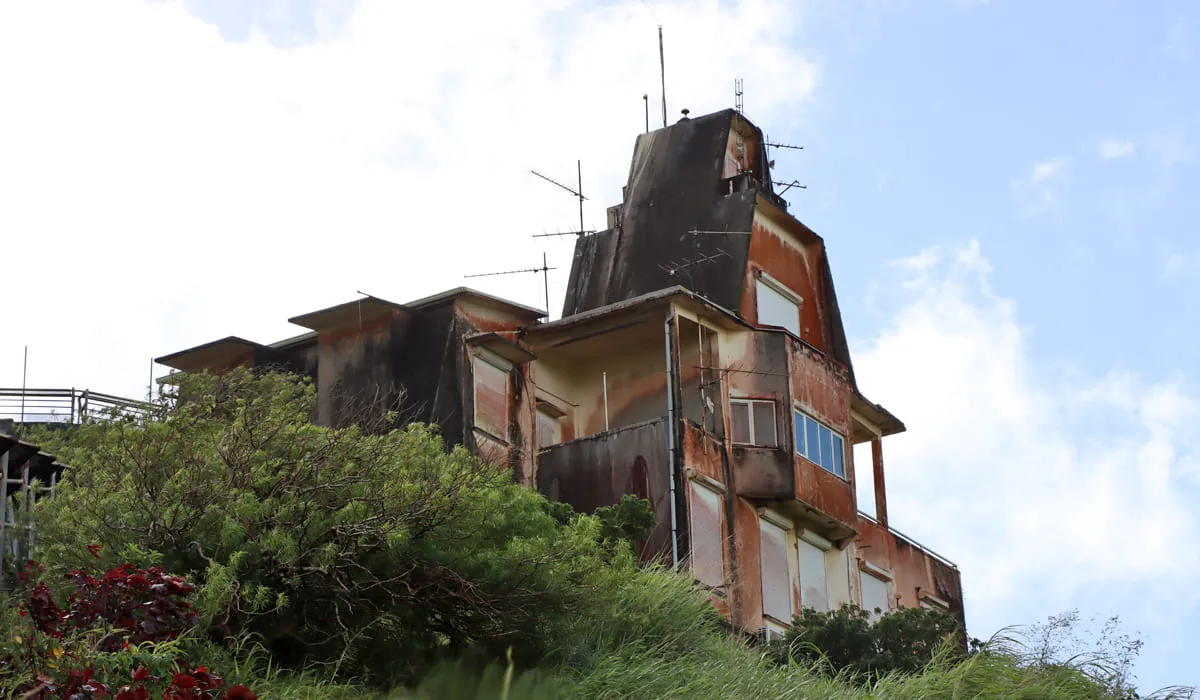
The Montagne Pelée Volcanological Observatory, located on Morne des Cadets, is responsible for monitoring volcanic and seismic activity and conducting related research. After the 1902 eruption, Professor Alfred Lacroix had a small hut built on Morne des Cadets to serve as an observatory.

He worked there with a few geophysical measuring instruments, but as the volcano showed no further signs of activity, the decision was made to stop the observations. Four years later, the major 1929 eruption caused no casualties but did result in material damage.

A permanent observatory was then built and inaugurated on Morne Moustin, facing the historic installation on Morne des Cadets, from which it inherited its name.

Today, the observatory monitors not only the volcano but also the island’s subsurface seismic activity.

An information and exhibition room is open to the public during the observatory’s visiting hours.

The site has been listed as a Historic Monument since 2012.

Photo gallery
Observatoire du Morne des Cadets