
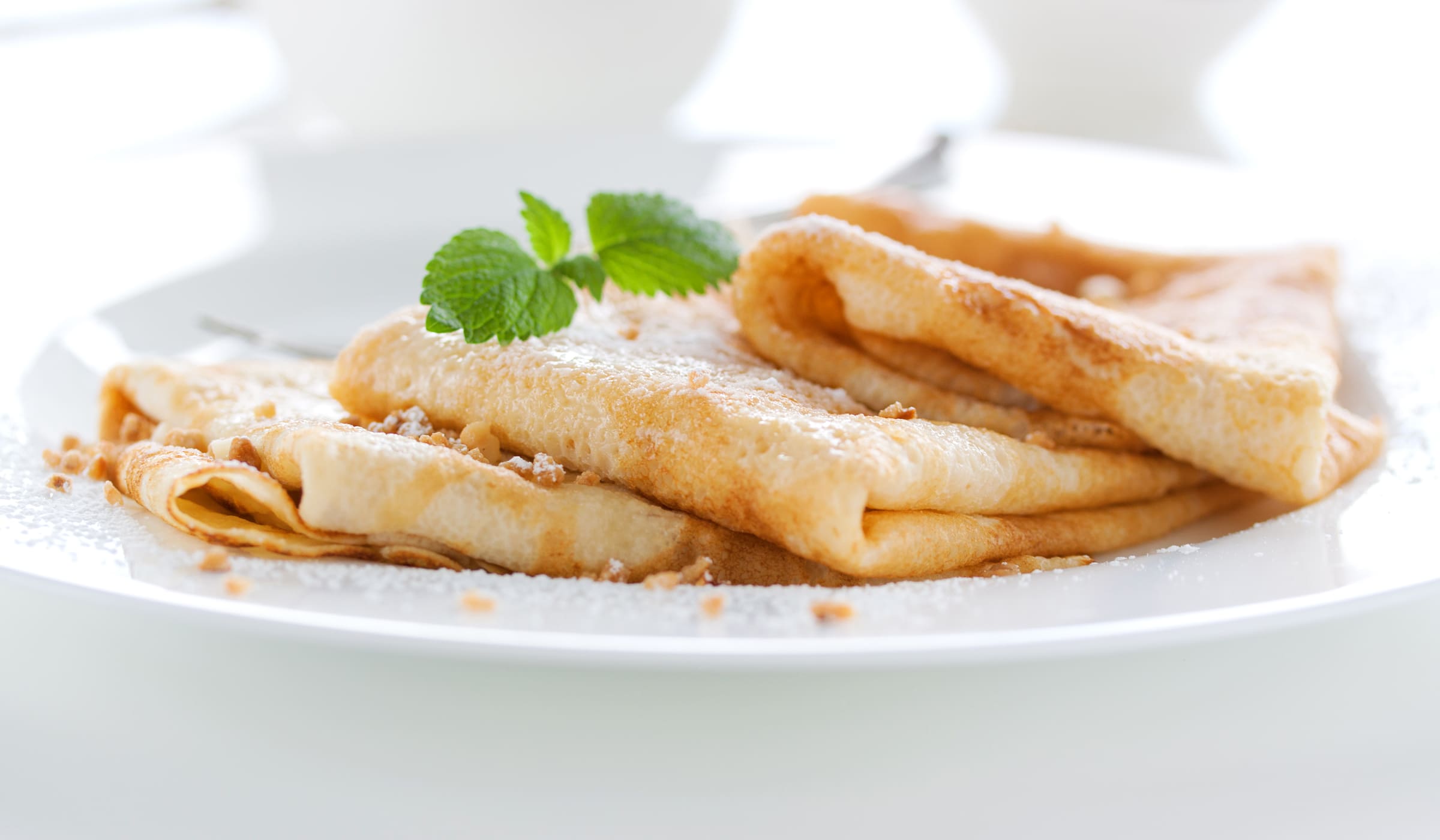
In several French‑speaking countries, crêpes are served as a warm, friendly treat shared with family or friends on Candlemas Day. This is the case in France, Belgium, Switzerland, and also in Quebec, Canada.
What is Candlemas?
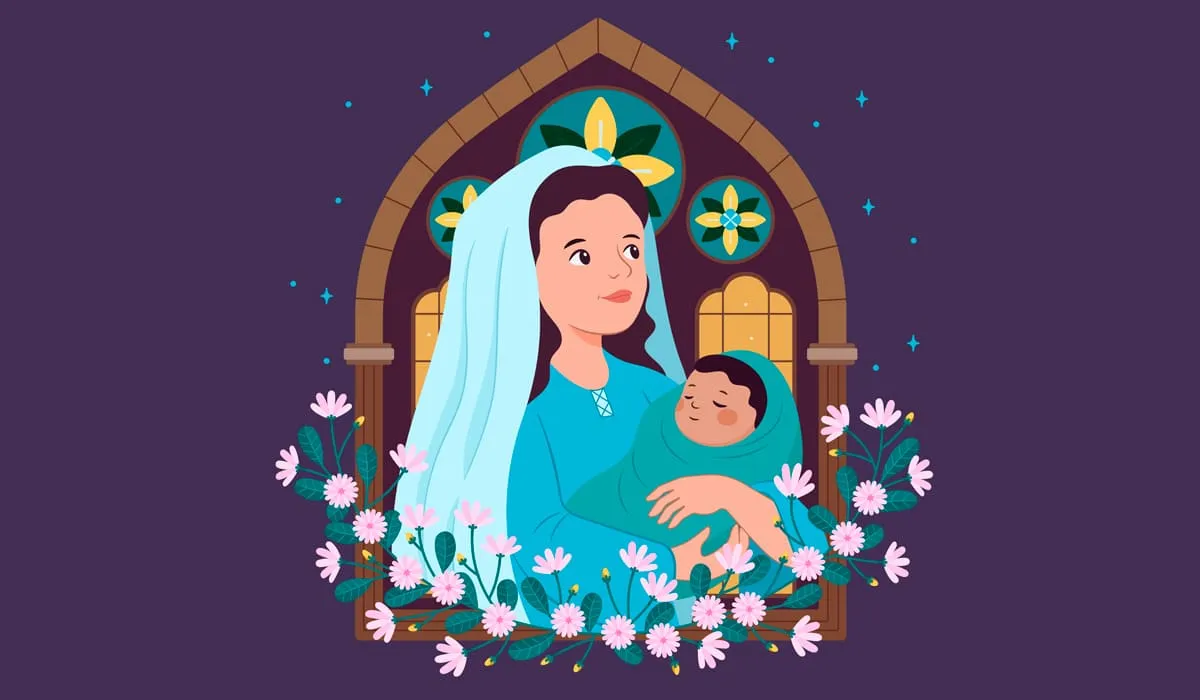
The word Chandeleur comes from the Latin festa candelarum, meaning “festival of candles.” Candlemas takes place every year on February 2. It refers to the Presentation of the baby Jesus at the Temple forty days after his birth. According to the Bible, Mary and Joseph brought the infant Jesus to the Temple in Jerusalem, where an elderly man named Simeon took the child in his arms and proclaimed:
Now, Sovereign Master, you may let your servant go in peace, according to your word. For my eyes have seen the salvation you prepared in the sight of all peoples: a light of revelation to the nations and the glory of your people Israel.
The origins of Candlemas go back long before the birth of Jesus Christ. Although various sources link it to a pagan celebration, they differ on whether it was Roman, Germanic, or Scandinavian in origin.
One interpretation suggests that Candlemas is the heir to the Roman festival of the Lupercalia (February 13–15), during which the Romans honored Lupercus, the god of fertility and herds. Priests sacrificed a goat in the Lupercal cave—the place where Romulus and Remus were said to have been suckled by the she‑wolf—while the rest of the population lit torches and paid luminous homage to Lupercus.
Other sources refer to Germanic and Scandinavian traditions celebrating the end of the bear’s hibernation in late January or early February. People would dress up as bears and stage mock attacks on young women.
Seeking to suppress these pagan rituals, the Catholic Church established the Feast of the Presentation of Christ in the Temple on February 2. The bear festival persisted for centuries and was renamed Chandelours, eventually becoming associated with the opening of Carnival season.
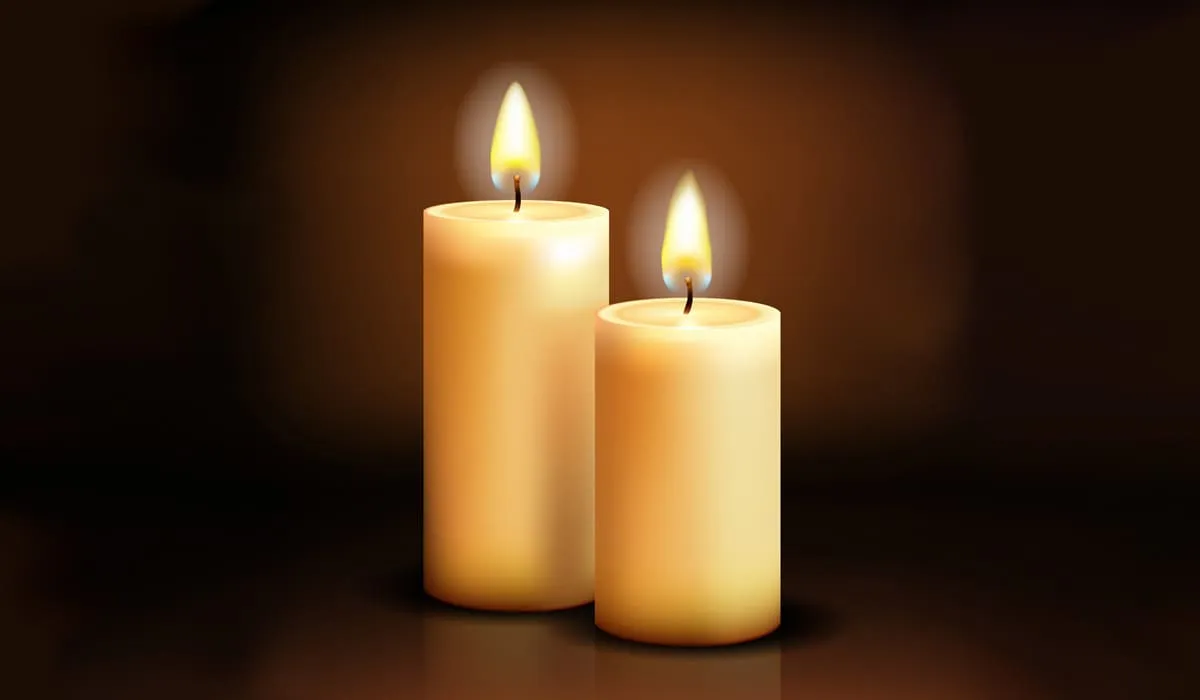
In 472, Pope Gelasius I is said to have officially set the Presentation of Christ on February 2. Candles—chandeleurs—were lit by the faithful in churches and blessed. They were kept burning as symbols of light, purity, and protection from evil. Believers would then take the blessed candle home and place it in their window on February 2. Symbolically, it was also the day when Christmas crèches were removed from homes and stored away until the next holiday season.
Candlemas is the fourth celebration in the Catholic calendar connected to the birth of Christ, after Christmas, the Feast of the Holy Innocents, and the visit of the Magi (Epiphany).
Why do French‑speaking people eat crêpes on Candlemas day?
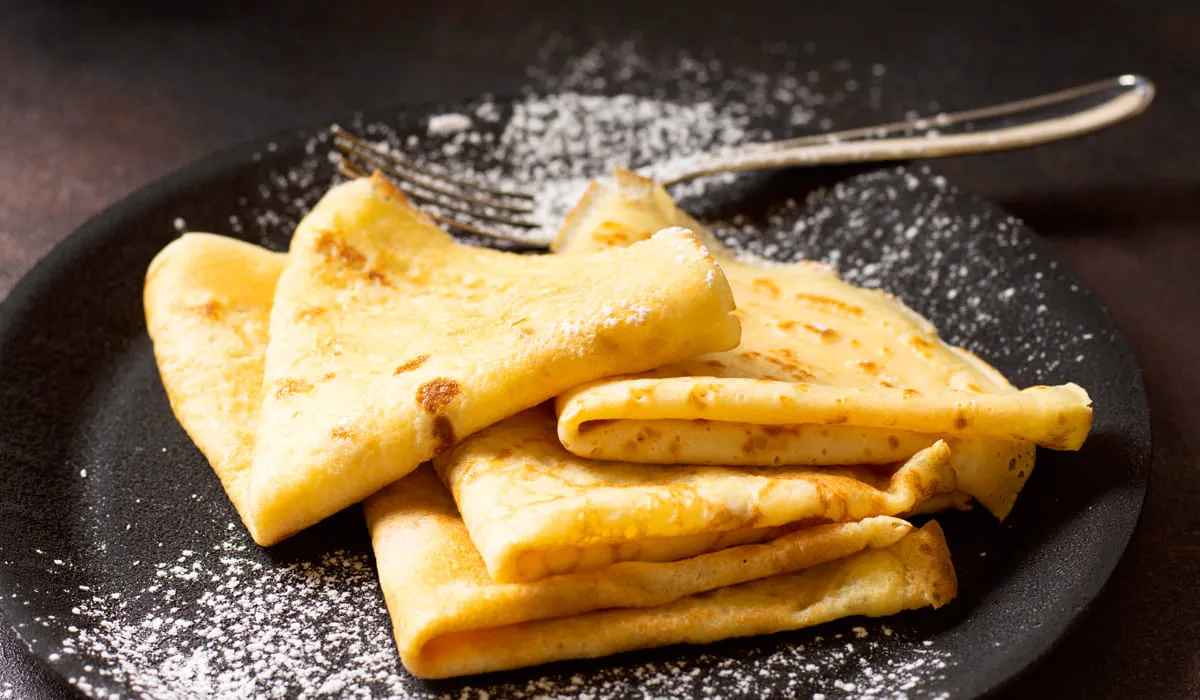
Here too, several explanations exist. One links the tradition to Pope Gelasius I, who was known for distributing crêpes to pilgrims coming to Rome for the processions.
Another interpretation refers to the crêpe’s shape. Golden and round, it resembles the sun at a time of year when daylight begins to increase after the long, cold nights of winter. The crêpe thus became a symbol of returning light. From February onward, days grow longer and brighter, heralding the arrival of spring—a symbol of rebirth. It also marked the return of farmers to their fields.
The celebration was also tied to various superstitions. If farmers did not make crêpes on that day, the following year’s harvest would be poor. To ensure prosperity, they had to flip the first crêpe into the air with their right hand while holding a gold coin—a Louis d’Or—in their left hand. The crêpe had to land perfectly back in the pan.
If it didn’t, it was considered a bad omen.
The cooked crêpe was then kept on top of a cupboard or wardrobe and had to remain free of mold. It was believed to protect the household from poverty and hardship.
It is worth noting that other Catholic countries also celebrate Candlemas, though not necessarily with festivities or with the tradition of eating crêpes.