
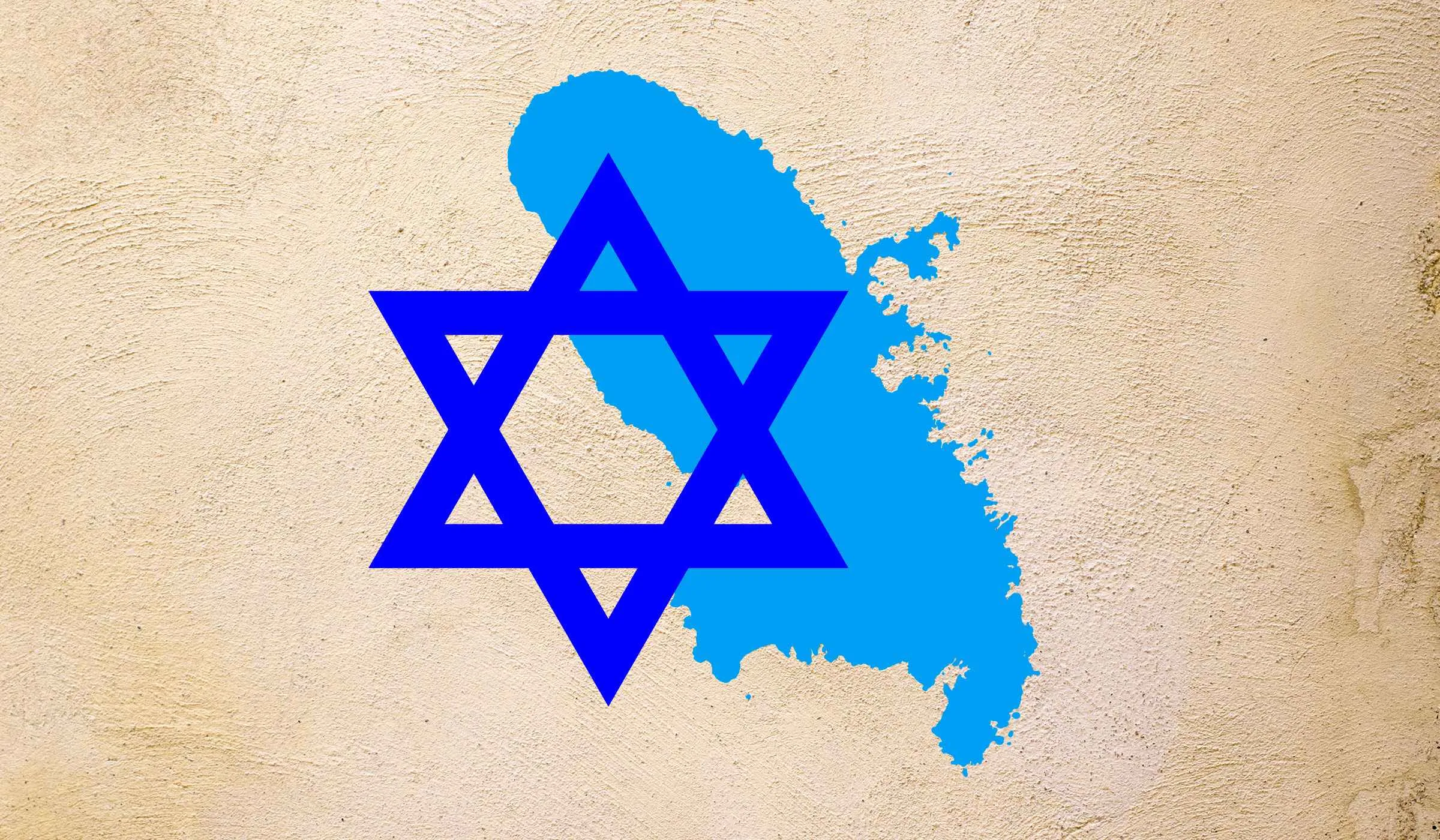
Since World War II
Return to the Island
It wasn’t until 1970 that Jews were once again officially present in Martinique, a direct consequence of the Algerian War, which ended in 1962. Considered French citizens under the Crémieux Decree of 1870, Algerian Jews were forced to flee Algeria. Most sought refuge in mainland France, but some, dissatisfied with their living conditions there, chose the French Caribbean. They were drawn by the climate and the opportunity to start businesses and work independently. Many became door-to-door merchants (selling bedding, appliances, jewelry, and furniture) or worked in banking services in rural areas.
Not particularly observant, they still honored the core elements of Jewish tradition. Religious services for major holidays were held in each other’s homes until the community grew too large and had to rent a hotel space. A butcher from Tiberias came to perform kosher slaughter rituals.
In 1976, the Association Culturelle Israélite de la Martinique (A.C.I.M.) was founded. A house in the Terres-Sainville neighborhood of Fort-de-France served as a synagogue, later relocated to Plateau Fofo in Schoelcher. For major sacramental events (weddings, bar mitzvahs, funerals), a rabbi was brought in from Caracas, Venezuela. Kosher meat also came from Venezuela. The Mimouna festival, marking the end of Passover, was celebrated in Martinique as well.
In 1996, the Jewish community inaugurated its new synagogue, Kenaf Aaretz (“The Wings”), in the commune of Schoelcher at Anse Gouraud. High-ranking representatives from national and local authorities, the Church, the military, and civil communities—including the local Palestinian community—were present.
Jews in Martinique today
Today, two kosher restaurants operate in Fort-de-France, one of which sells challah, the braided bread traditionally eaten on Shabbat. Kosher products are also available in the island’s major supermarkets. A section of the Hauts de Terreville cemetery in Schoelcher is reserved for deceased members of the Jewish community.
The Jewish population is estimated at around 450 individuals, most of whom live in Schoelcher, where the synagogue and the Chabad-Lubavitch Hebrew school of Martinique are located. They are descendants of Algerian Jews who arrived on the island in the 1970s. Key families in the community include the Chicheportiche, Illouz, Marciano, Nakache, Taëb, Zaoui, and Zerbib families. They live modestly, without great wealth, and are primarily engaged in commerce—especially in the sale of aluminum products such as secure windows and doors.
Over the years, their numbers have not significantly increased.
Today, the question of Jewish identity in Martinique is a complex one. Who is truly considered Jewish? Only the descendants of Algerian Jews who arrived more than four decades ago? Martiniquais converts to Judaism? Or those who have joined the A.C.I.M.? The question remains open when discussing the Jewish community of Martinique.
Institutionally, the Association Culturelle Israélite de la Martinique (A.C.I.M.) falls under the jurisdiction of the very orthodox and conservative Consistoire de Paris. As a result, all matters related to conversion and religious status are handled from 8,000 kilometers away. A rival messianic movement, the Chabad-Lubavitch, has made inroads in the French Caribbean and other overseas departments and territories. Based in London, their organization Ufaratsta publishes a newspaper, L’Hebdomadaire juif des Îles, which is distributed to synagogues in Guadeloupe, Tahiti, Réunion, and New Caledonia.