History
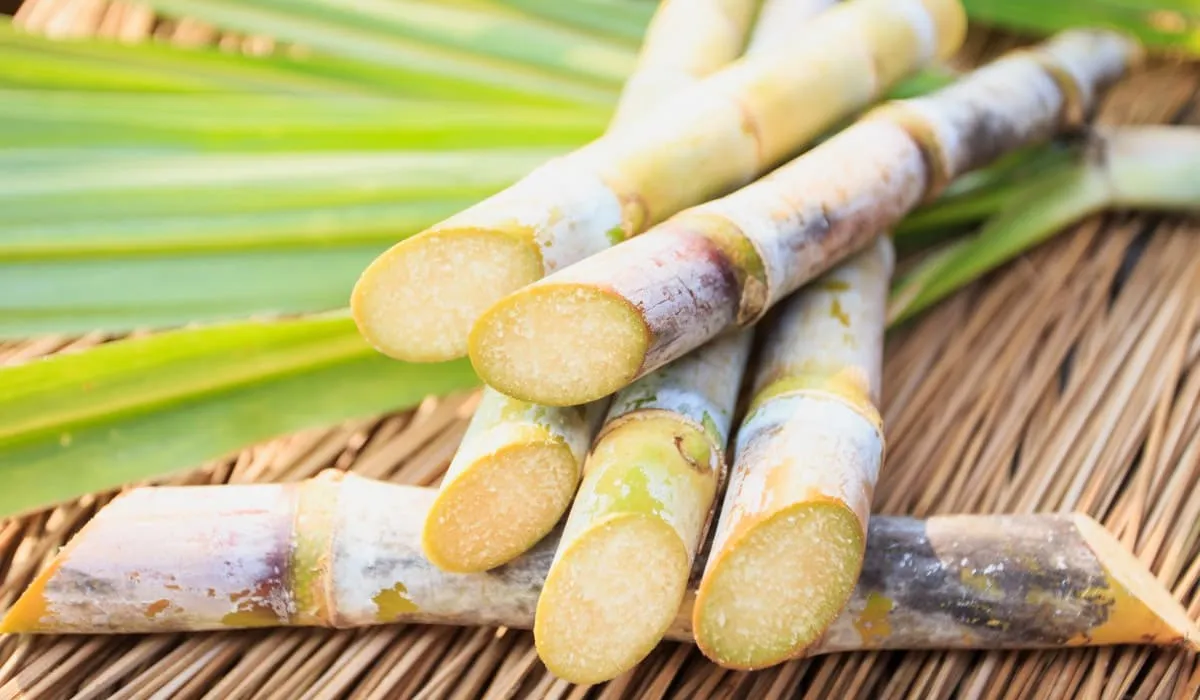
Sugarcane, whose scientific name is Saccharum officinarum, is believed to originate from Indonesia and Papua New Guinea. It is thought to have been spread by humans throughout the Pacific islands and across the Indian Ocean as far as Malaysia. It arrived in Martinique as early as 1640 to produce sugar for the European market.
Today, sugarcane is cultivated in all tropical or warm temperate countries.
Varieties
There are more than 4,000 varieties of sugarcane (including species and hybrids). The main varieties are Saccharum robustum, Saccharum officinarum, Saccharum spontaneum, and Saccharum sinense.
Saccharum robustum is generally considered the original species. S. spontaneum is a non‑sweet variety of cane, and S. sinense is a Chinese variety. It is from the natural cultivar S. officinarum that the use of sugarcane as a raw material for sugar production began.
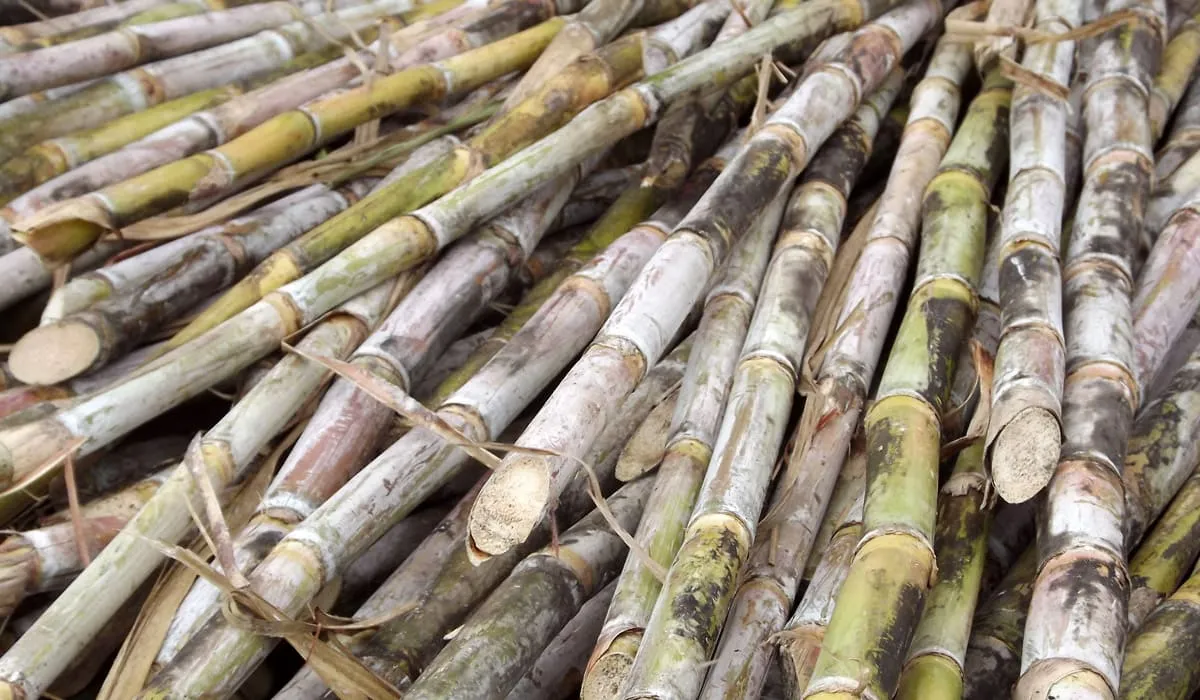
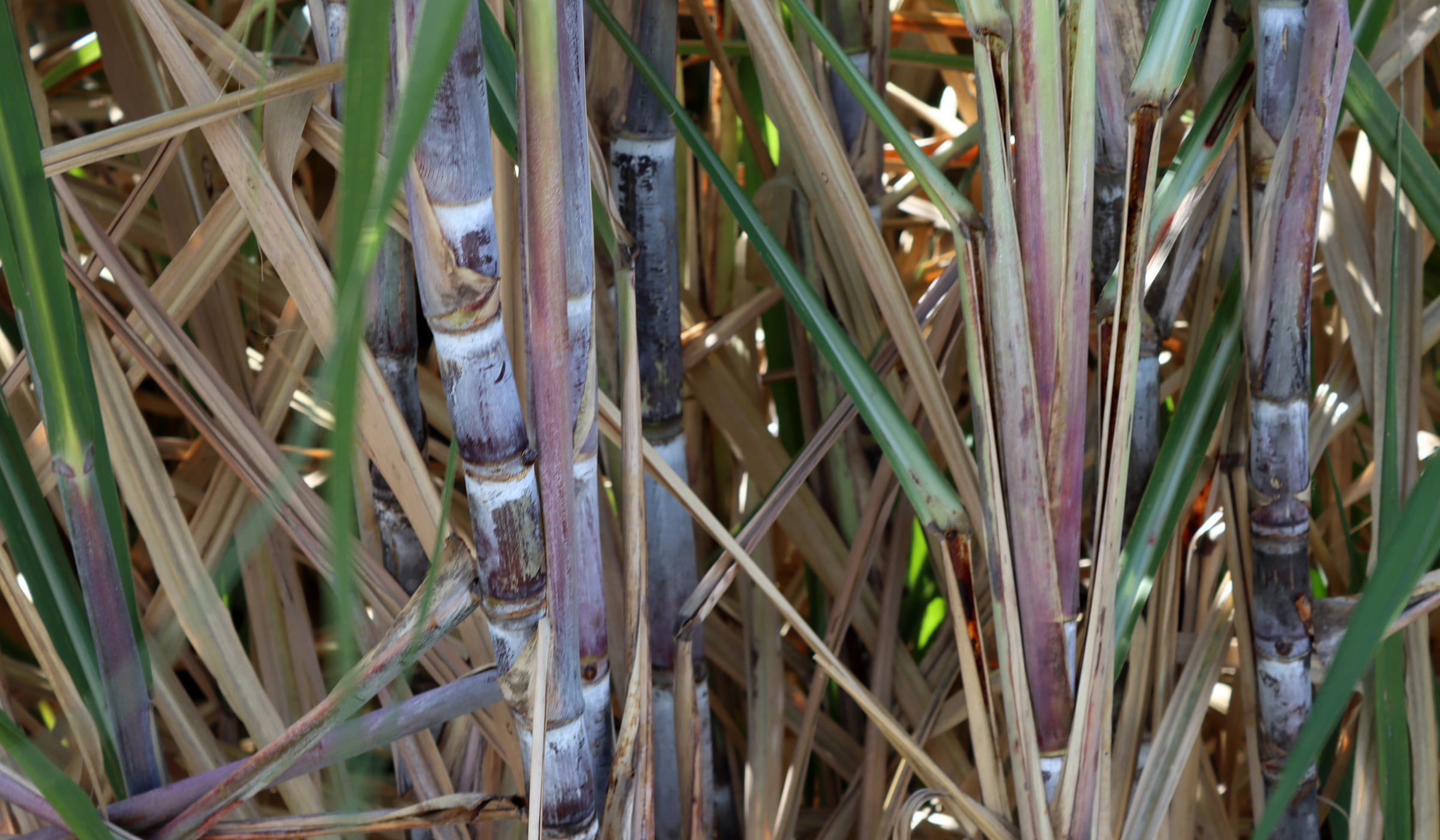
Sugarcane is a tropical herbaceous grass with a reed-like growth habit, reaching heights of 2.5 to 6 meters. The stems, 1.5 to 6 cm in diameter, are solid. The alternate leaves are arranged in two opposite rows and have a blade about 1 meter long and 2 to 10 cm wide, weighing around 300 grams.
Sugarcane requires a great deal of water, about 13,000 to 15,000 cubic meters per hectare per year when irrigation systems are not very efficient.
Medicinal properties
Sugarcane is refreshing and quenches thirst. It promotes urinary secretion by improving kidney function.
Sugarcane juice is useful for people with diabetes because it has a low glycemic index. It also contains many antioxidants, known for strengthening the immune system, boosting energy, and maintaining overall health.
It is known as a mild laxative due to its high potassium content. It aids digestion, facilitates intestinal transit, and is effective against constipation.
Its alkaline nature gives it anticancer properties, particularly against breast and prostate cancer.
Sugarcane juice is also good for the skin and helps fight acne. It reduces skin imperfections and improves hydration. It is also effective for eye health.
Good for the teeth, it helps prevent cavities.
As a remedy, sugarcane juice helps fight coughs. Rum can also help relieve coughs when mixed with honey and lemon. This mixture can also soothe sore throats.
Uses
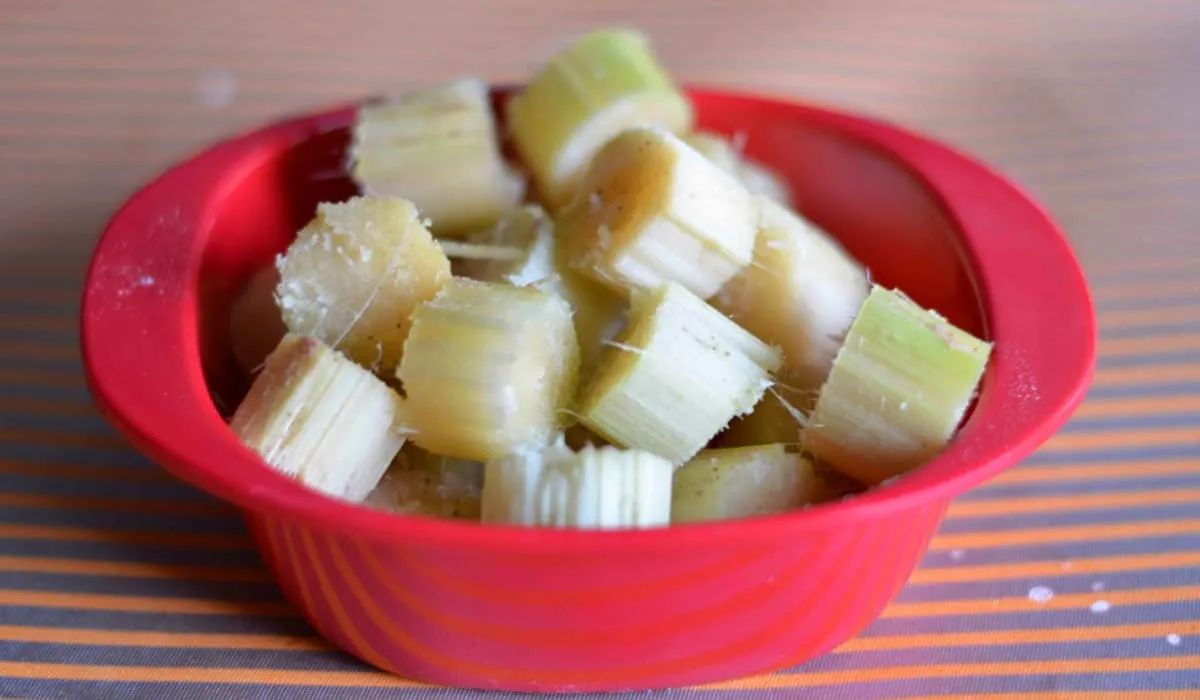
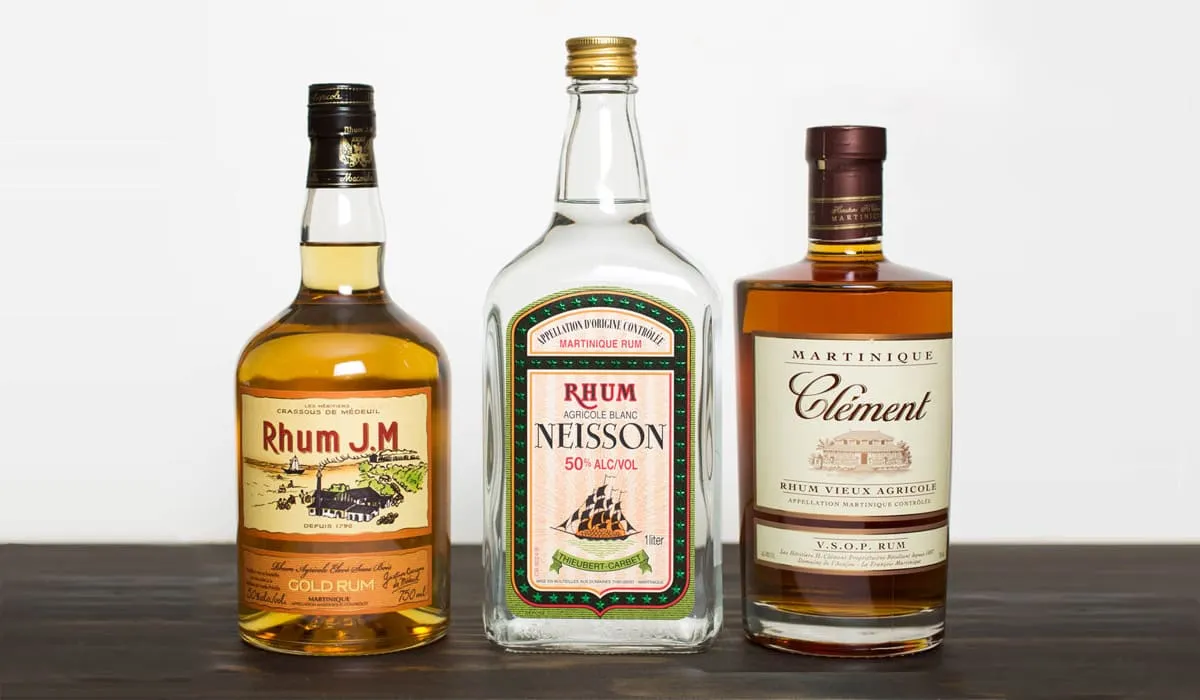
In Martinique, sugarcane is consumed naturally, but also as juice. The sugar consumed on the island is produced at the Galion Factory, and rum is produced in the island’s various distilleries. In 2009, more than 220,000 tons of sugarcane were produced in Martinique, 40% of which was destined for sugar production at the Galion Factory (89,476 tons of cane to produce 5,564 tons of sugar and 15,000 hectoliters of pure alcohol (HAP) of industrial rum), with the remainder used for agricultural rum production (80,000 HAP).
Beyond sugar production, sugarcane is also used as animal fodder, for alcoholic beverages (rum, cachaça), and for bioethanol, a motor fuel (Brazil being the world’s leading producer).