History
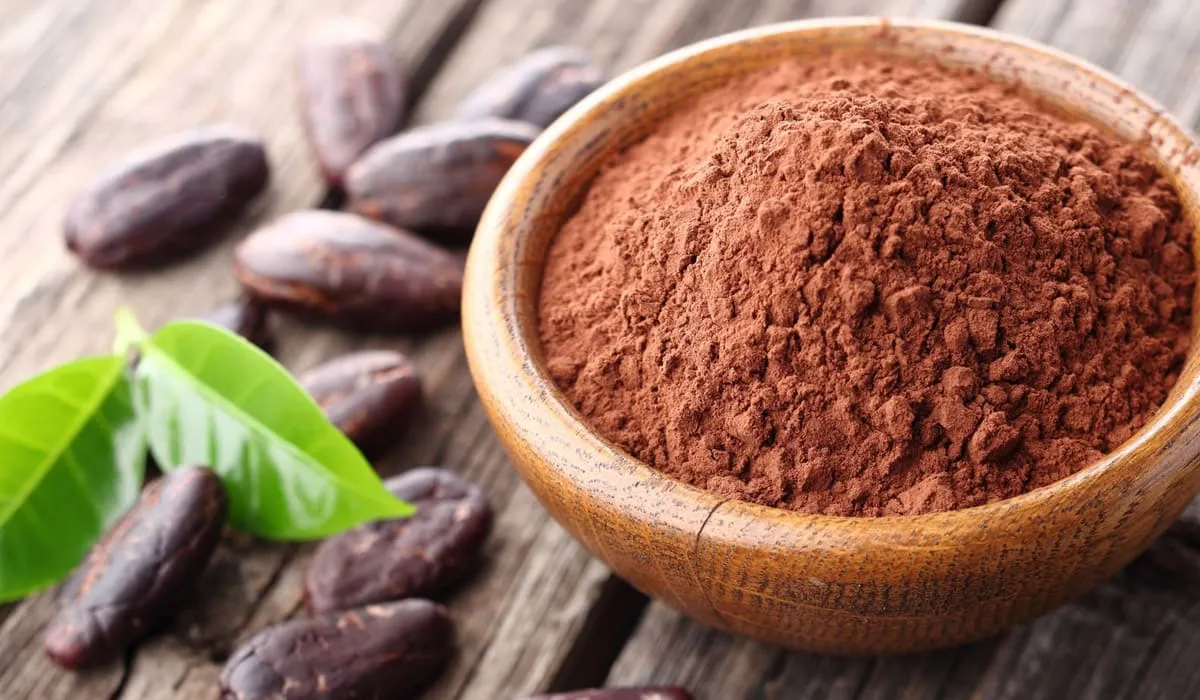
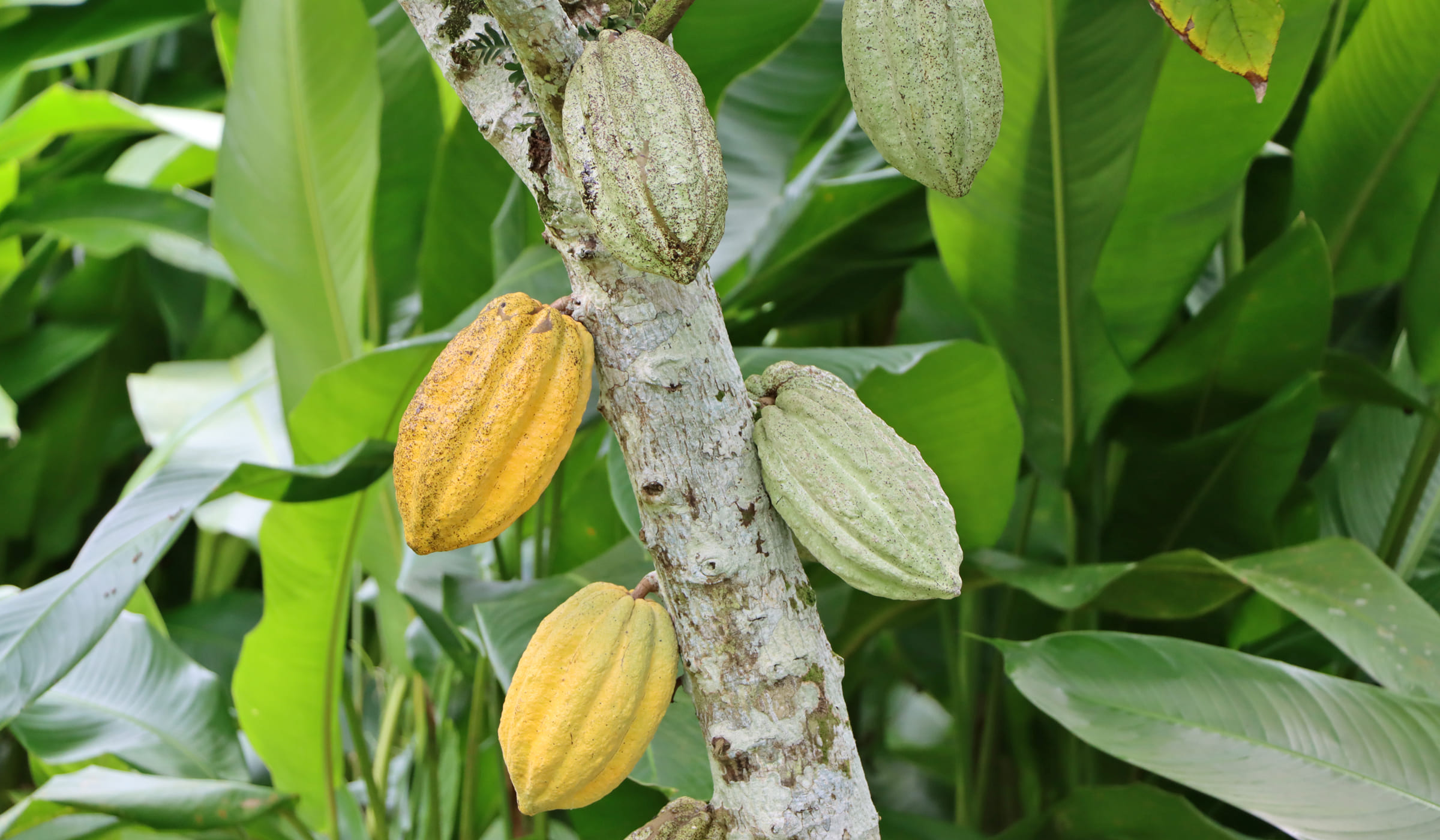
Cocoa, whose scientific name comes from the Nahuatl word cacahuatl, refers both to the fruit itself and to the powder obtained after roasting and grinding the kernel of fermented cocoa beans produced by the cacao tree.
Cocoa, whose scientific name is Nahuatl cacahuatl, is a fruit but also the powder obtained after roasting and grinding the kernel of fermented cocoa beans produced by the cocoa tree.
The first cacao tree on the island is said to have been discovered around 1655 in a forested area, which suggests it may be among the indigenous trees of the Antilles. In 1684, a Jewish settler named Benjamin Dacosta carried out the first attempt at a regular cacao plantation in Martinique. From then on, the use of chocolate spread rapidly in France, and cocoa production became a valuable resource for colonists who lacked the wealth required to invest in sugarcane cultivation and the costly extraction of sugar.
Moreover, the humid soils of certain valleys—where transportation was difficult—were poorly suited to sugarcane but ideal for growing cocoa. Martinique thus became one of the first major centers of cocoa production. However, in 1727, a storm devastated the cacao plantations. Coffee, which had just been introduced to the island, became an alternative for the ruined colonists. From that point on, cocoa became a secondary crop in Martinique. Since the mid‑19th century, Martinican cocoa has no longer been destined for export; it is used mainly by local food industries.
Varieties
There are several varieties of cocoa:
- Forastero (80–90% of global production), native to the Amazon but mainly cultivated in Africa, Brazil, and Ecuador; the hardiest variety.
- Criollo (1–5% of global production), native to Venezuela and grown in Latin America (Caribbean, Mexico, Venezuela, Colombia); the finest and most aromatic, mild and slightly bitter.
- Trinitario (10–20% of global production), a hybrid of the two previous varieties, developed in the 18th century on the island of Trinidad to compensate for the heavy losses caused by hurricanes in the more fragile criollo plantations. Grown in Spanish‑speaking America, Trinidad, Africa (mainly Cameroon), and Asia; fine aromas but less intense than criollo.
- Nacional, a type of forastero grown in Ecuador, with more refined aromas than common forastero.
In Martinique, forastero is the most widespread variety, while criollo is also present but rarer.
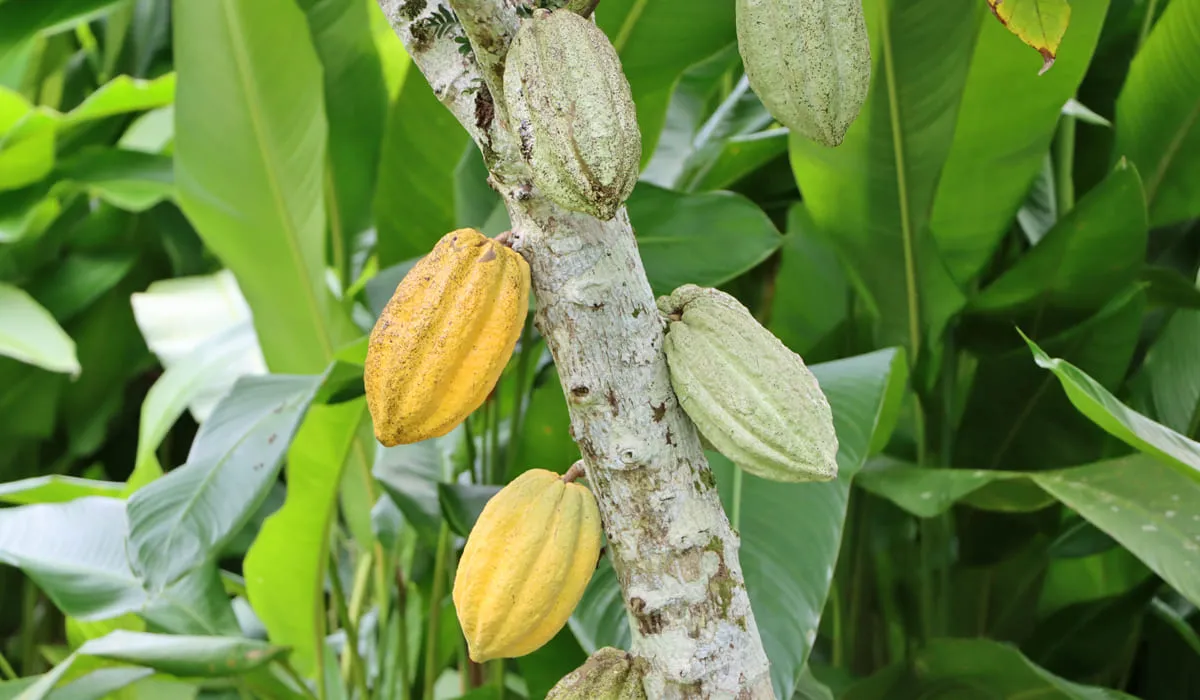
The cacao tree (or cacao plant) grows 10 to 15 meters tall, usually pruned to 6 or 8 meters. It is cauliflorous and evergreen. It begins flowering at around 3 years old and produces flowers, fruits, and leaves throughout the year. It reaches full productivity 6 to 7 years after planting and can live up to 40 years. Its flowers measure about one centimeter, and only one out of roughly 500 flowers develops into a fruit. A single tree can produce up to 100,000 flowers annually, white or slightly pink in color.
Medicinal Properties
Cocoa butter contains vitamin E and polyphenols. These are powerful antioxidants whose effects are far greater than those of vitamins C and E. These “magic molecules” protect our bodies from oxidative substances such as sunlight, pollutants, alcohol, and more—factors that accelerate cellular aging.
Warning: Cocoa is toxic to dogs and some other animals. It can cause poisoning due to theobromine.
Uses
In Martinique, cocoa is processed in factories to produce baking chocolate or chocolate beverages (for example, Elot chocolate or Lauzea chocolateries). The traditional cocoa stick, gwo kako, is made from fermented, dried, and roasted beans. This “100% cocoa” is grated and melted in water or milk. It is also used to prepare punches and cocoa liqueur.
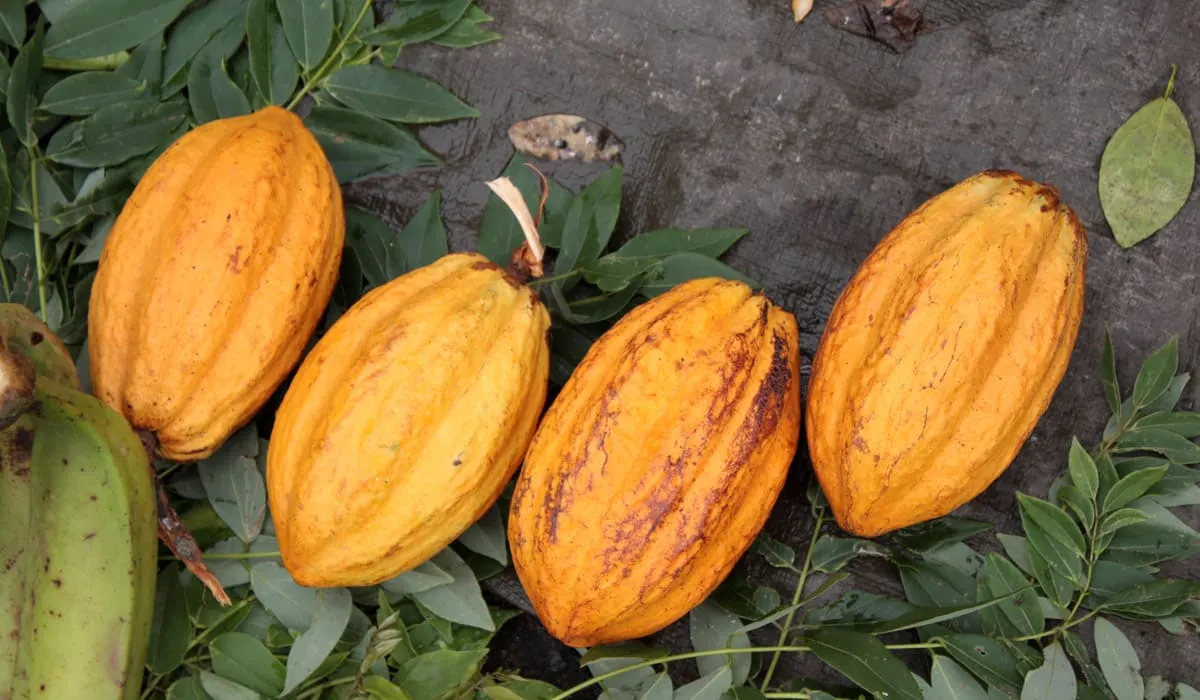
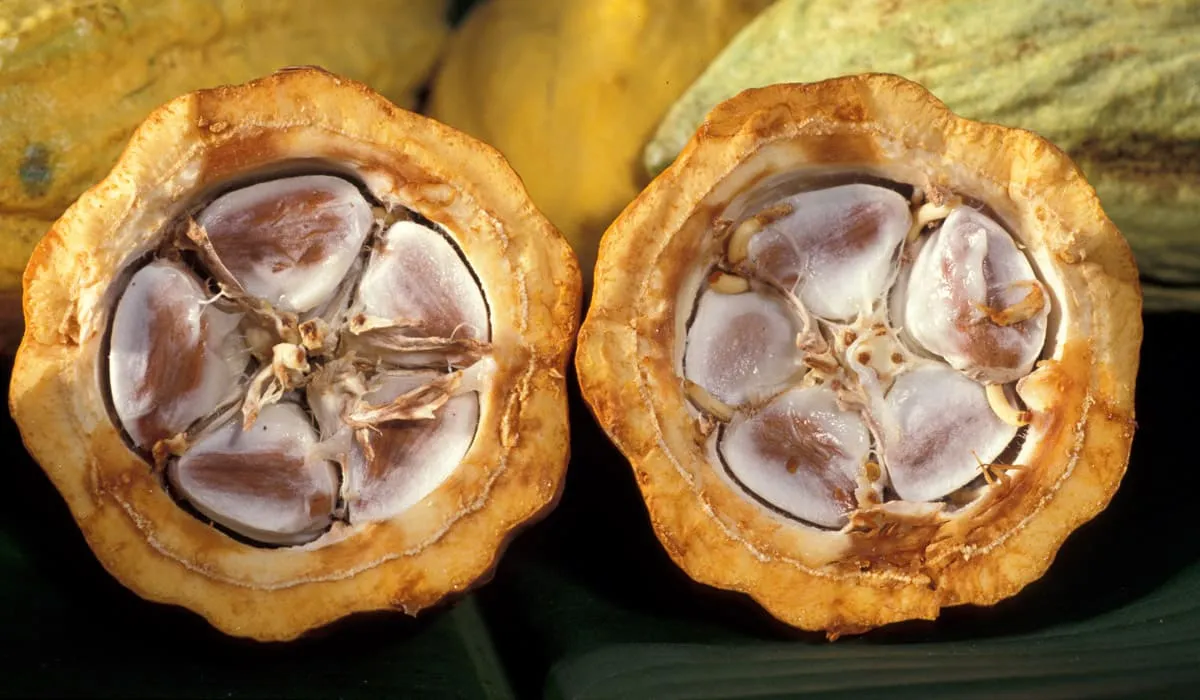
Cocoa can also be eaten raw. To do so, the thick, hard yellow or orange shell must be cracked open with a sharp blow against a solid surface. The white pulp surrounding the seeds (20 to 40 beans) is eaten fresh.