
Christmas is certainly the most eagerly awaited holiday of the year. It is also the most family-oriented celebration—even the most collective. It is a time for family, for children, and sometimes even for entire neighborhoods. While it must be acknowledged that traditions are less strictly followed today than in the past, celebrating Christmas in Martinique remains unlike anywhere else in the world.
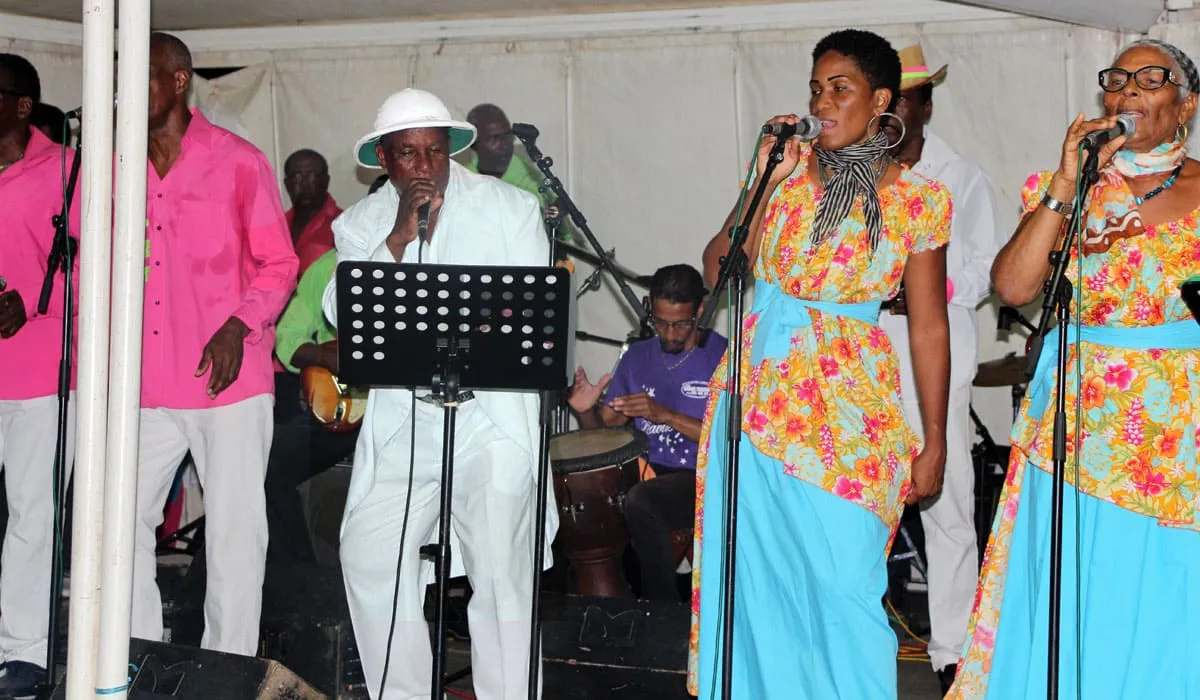
Christmas is a time of music—songs and choirs shared with family, friends, neighbors, and even strangers. Traditionally, the season of chanté-nwels (Creole Christmas carols) began with Advent on December 1. But things have changed. Today, from the day after the Feast of the Dead on November 2, Christmas begins to fill everyone's thoughts.
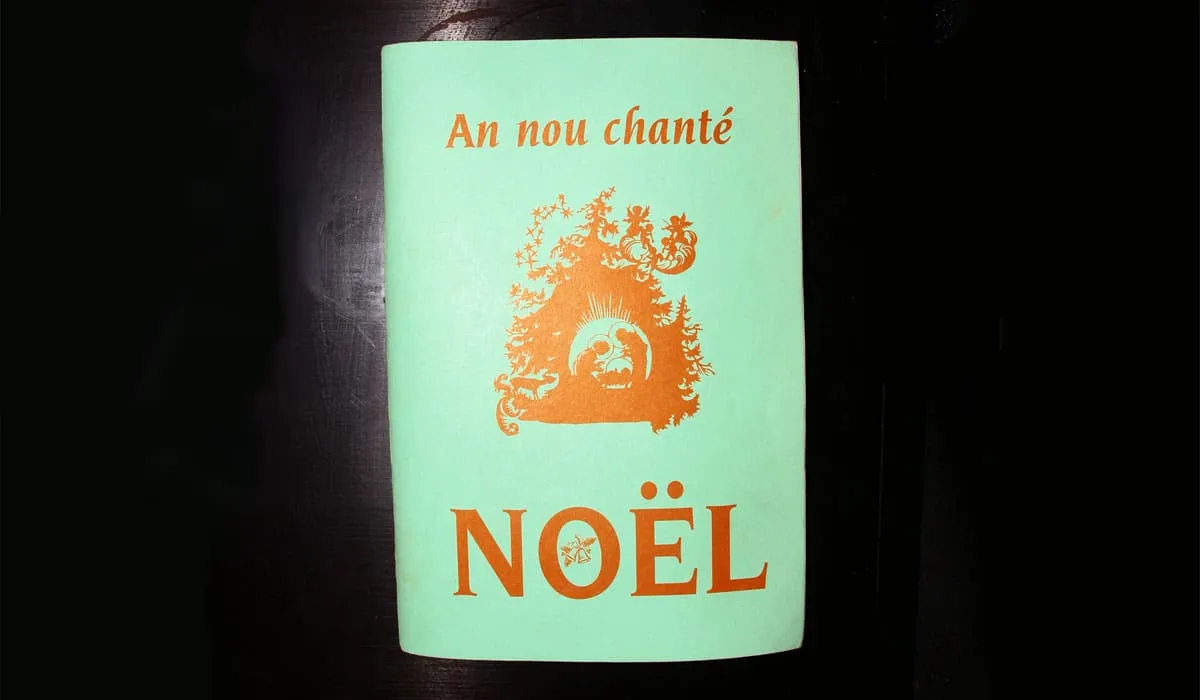
Christmas carols singing the birth of Christ and the coming of the Three Kings are sung in chorus in towns and countryside. This tradition dates back to the period of slavery. Under sounds such as the ti-bwa (traditional Martinican musical instrument made up of a bamboo placed on trestles on which we strike with two sticks), the cha-cha (maracas made from a calabash that we have emptied and filled with seeds), drum or harmonica, families and neighbors gathered with their hymn books in hand to sing to the glory of the baby Jesus.
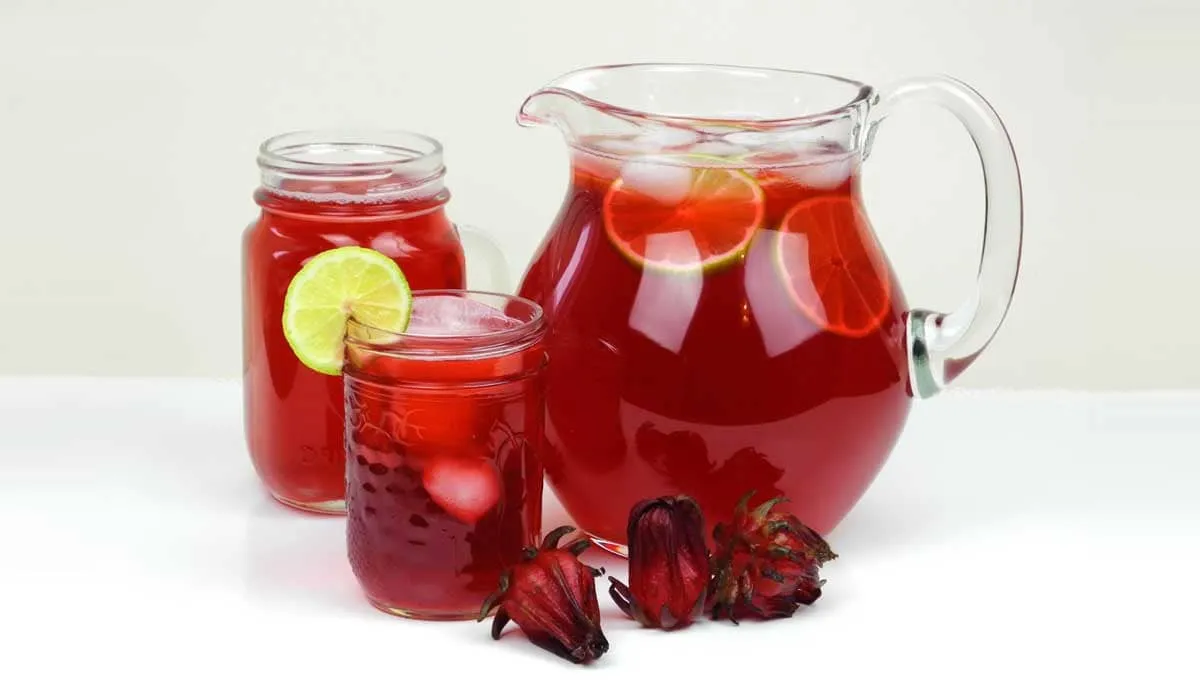
Obviously, this collective moment is meant to be joyful—we set aside our daily worries and celebrate. As with other religious holidays, Christmas is accompanied by rich gastronomy. While the dishes once served at Christmas were very local, today foie gras is often blended with traditional flavors. Among the drinks enjoyed during the season are shrubb and sorrel syrup. From the end of November, rum is macerated with dried orange peels to prepare the shrubb. Sorrel syrup is also traditionally made during this time.
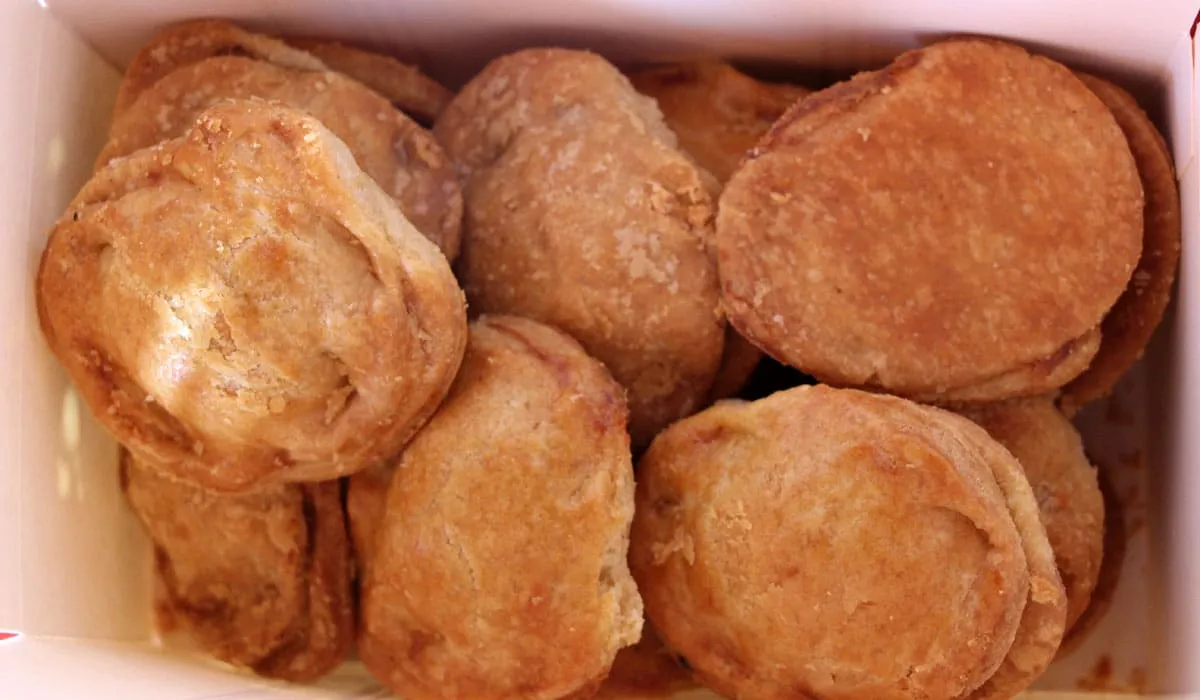
When it comes to food, Christmas is the most dreaded holiday for pigs on the island. Fattened throughout the year in their pens, they were once slaughtered in the presence of family, friends, and neighbors. Today, families no longer carry out the slaughter themselves—they purchase pork directly from the island’s various butcheries. The meat is then divided among participants and served in different forms during the traditional chanté-nwels. Pork appears in Creole blood sausage, as filling for pâtés (see photo opposite), in spicy stews served on December 25, and, of course, as smoked ham. In addition, pigeon peas are picked or purchased to accompany the Christmas meal.
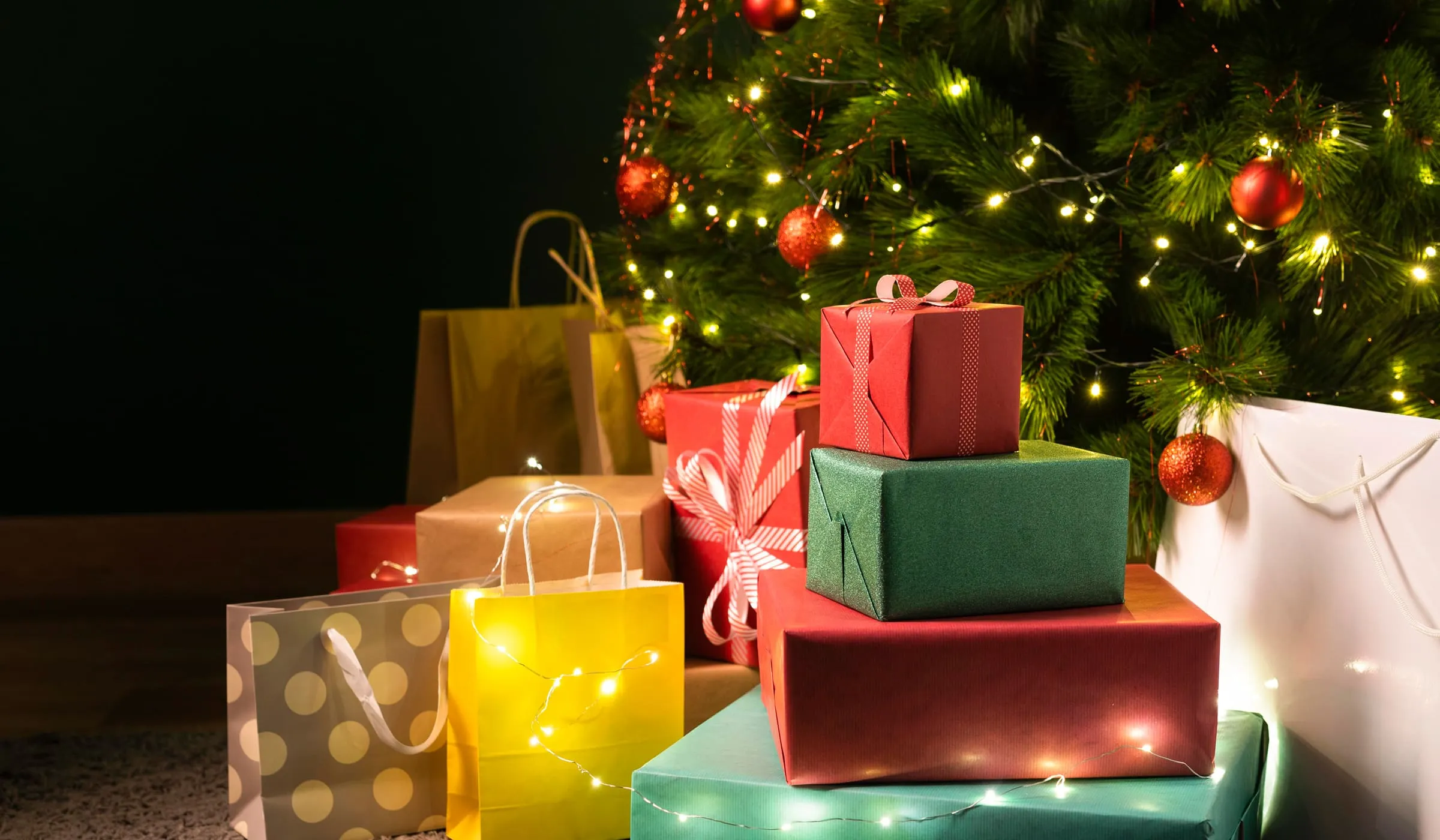
Amid all the festive folklore, Christmas remains above all a celebration for children. Parents flock to the island’s stores to buy gifts for their little ones. A clear sign of changing times: today, tablets top the list of Christmas presents, whereas in the past, parents would craft or purchase small wooden horses or trucks as gifts. Presents are wrapped and placed under the tree to be opened on the morning of December 25.
Santa Claus is also part of the celebration. On his journey from Finland, he makes a stop in Martinique to reward children who have behaved well or earned good grades during the school year. On December 28, the toys are blessed by priests during the Feast of the Innocents.
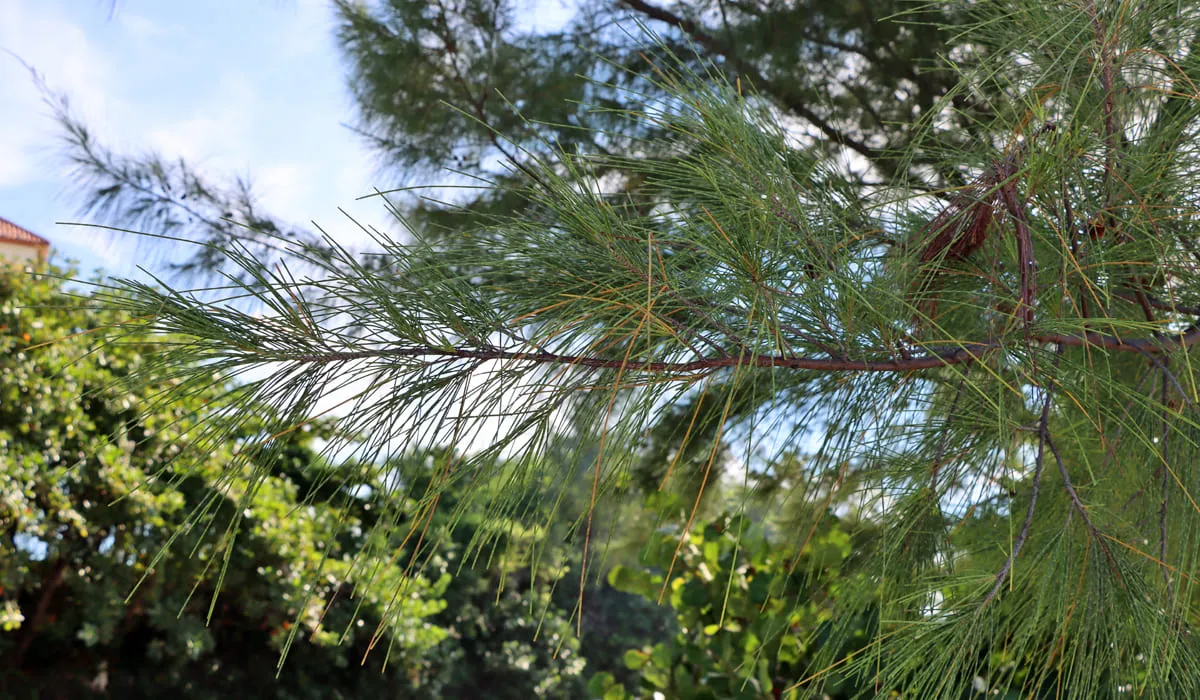
In the past, the beach sheoak (Casuarina equisetifolia) was commonly used as a local Christmas tree. Today, however, parents tend to prefer the fir trees sold in shops, as they are less messy. The beach sheoak sheds its needle-like leaves easily, making it difficult to maintain indoors. Homes are decorated, streets are illuminated, and the overall Christmas spirit is vibrant—family celebrations hold deep importance for Martinicans.
On the evening of December 24, once dressed in their finest for the occasion, believers attend midnight mass. Despite its name, this mass is usually held at nightfall rather than at midnight. Afterward, families gather to begin the festivities. Christmas Eve typically brings together large extended families—grandparents, uncles and aunts, cousins of all ages. Christmas carols are sung one last time, and tables overflow with food arranged buffet-style
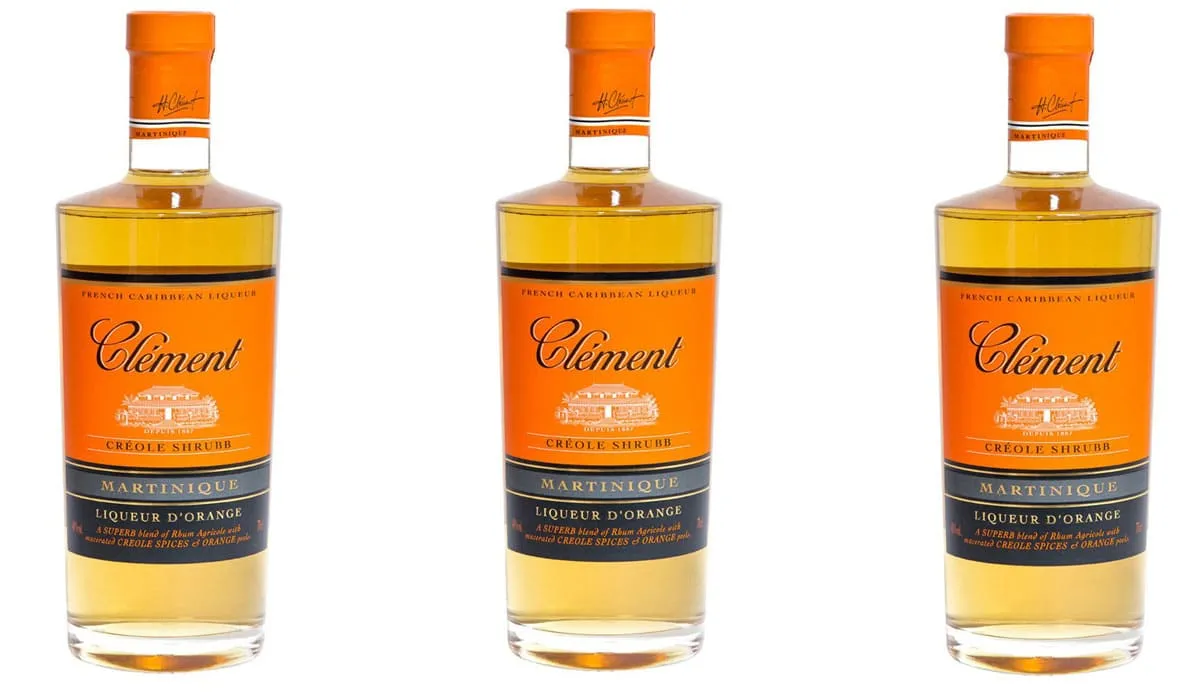
Alcohol flows freely during the holiday season. In addition to rum, shrubb—often called “Christmas alcohol”—holds a special place in the festivities. Champagne made a remarkable entrance in the early 1990s and has since become the most consumed beverage during the end-of-year celebrations (after water!). Martinique is also the French department with the highest champagne consumption, with nearly 2 million bottles sold annually.
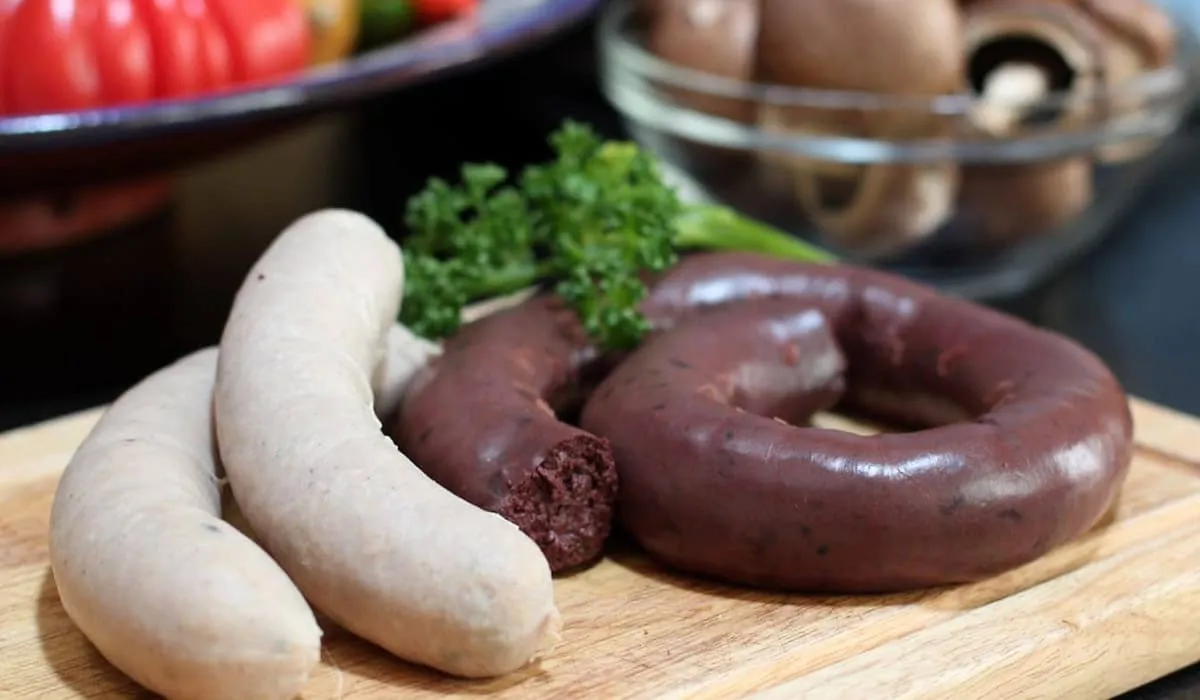
On the buffets, we find Creole red or white blood sausage, savory pâtés, slices of Christmas ham to which is added the more “French” traditional foie gras. After these moments of family fun, everyone returns to their home to rest and the children's gifts will be opened the next day.
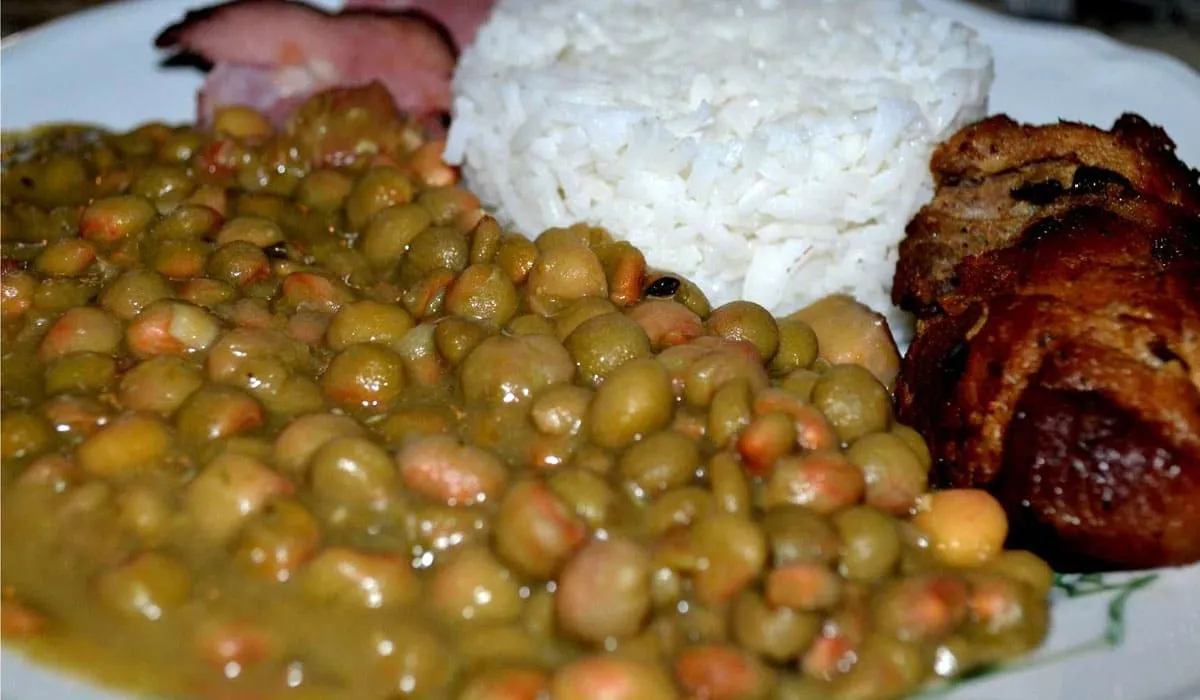
At noon, the traditional meal is prepared: pigeon peas, pork stew, and local vegetables such as breadfruit, plantains, green bananas, yams, and dasheens. Once everyone’s stomach is full, special moments between parents and children fill the rest of the day—often around board games or watching TV and the many Christmas movies broadcast during this period.
As soon as night falls, it’s already time to prepare for the next day, especially if it’s a working day. Christmas comes to an end, but the joy and good humor linger, as everyone looks forward to the second celebration of the season—New Year's Eve, just eight days away.
Merry Christmas to everyone!