History
Lemongrass, whose scientific name is Cymbopogon citratus, also called Indian verbena, is a tropical herbaceous plant from the Poaceae family. It is cultivated for its aromatic stems and leaves, which have a lemon-like flavor. It owes its name to its strong lemon scent. Lemongrass originates from India. The date of its introduction into the Caribbean is unknown.
Varieties
There are around fifty varieties of lemongrass. Among the most widespread species are lemon thyme, lemon verbena, lemon balm, southernwood, and santolina.
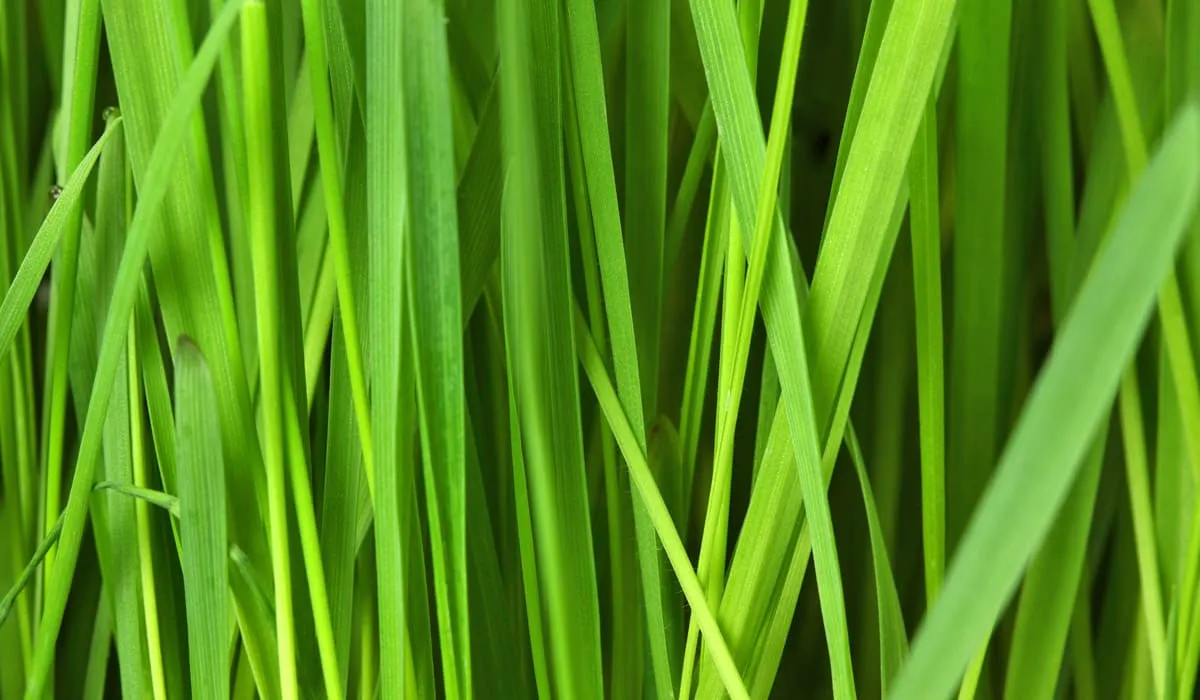
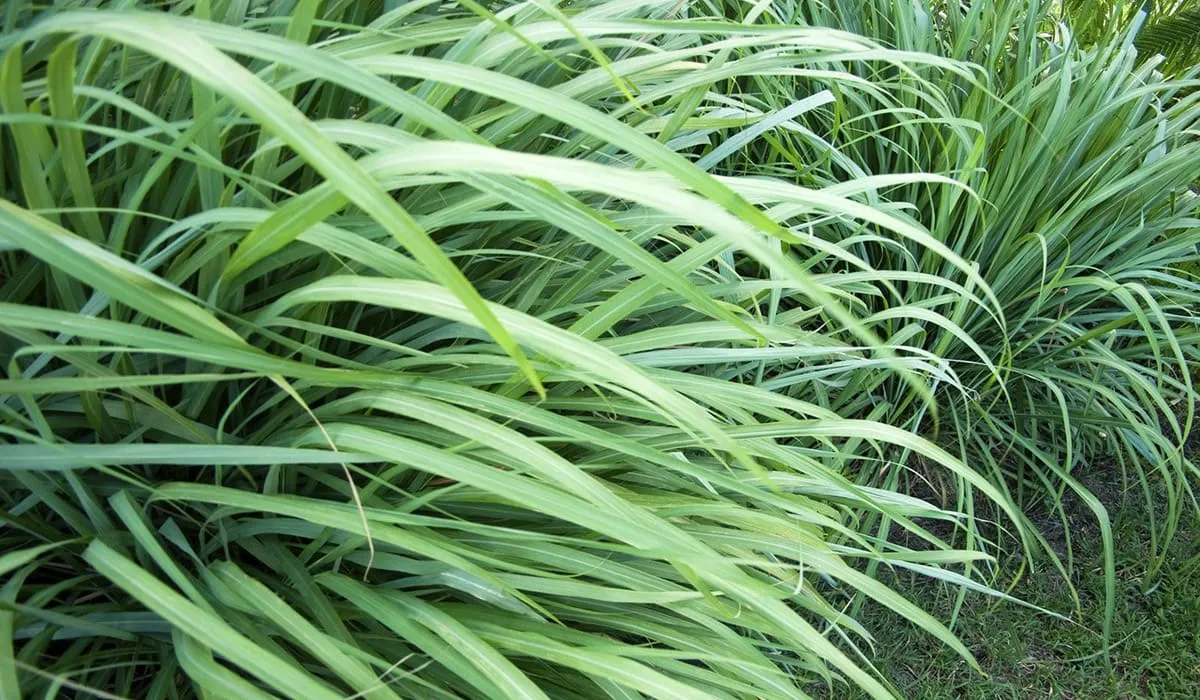
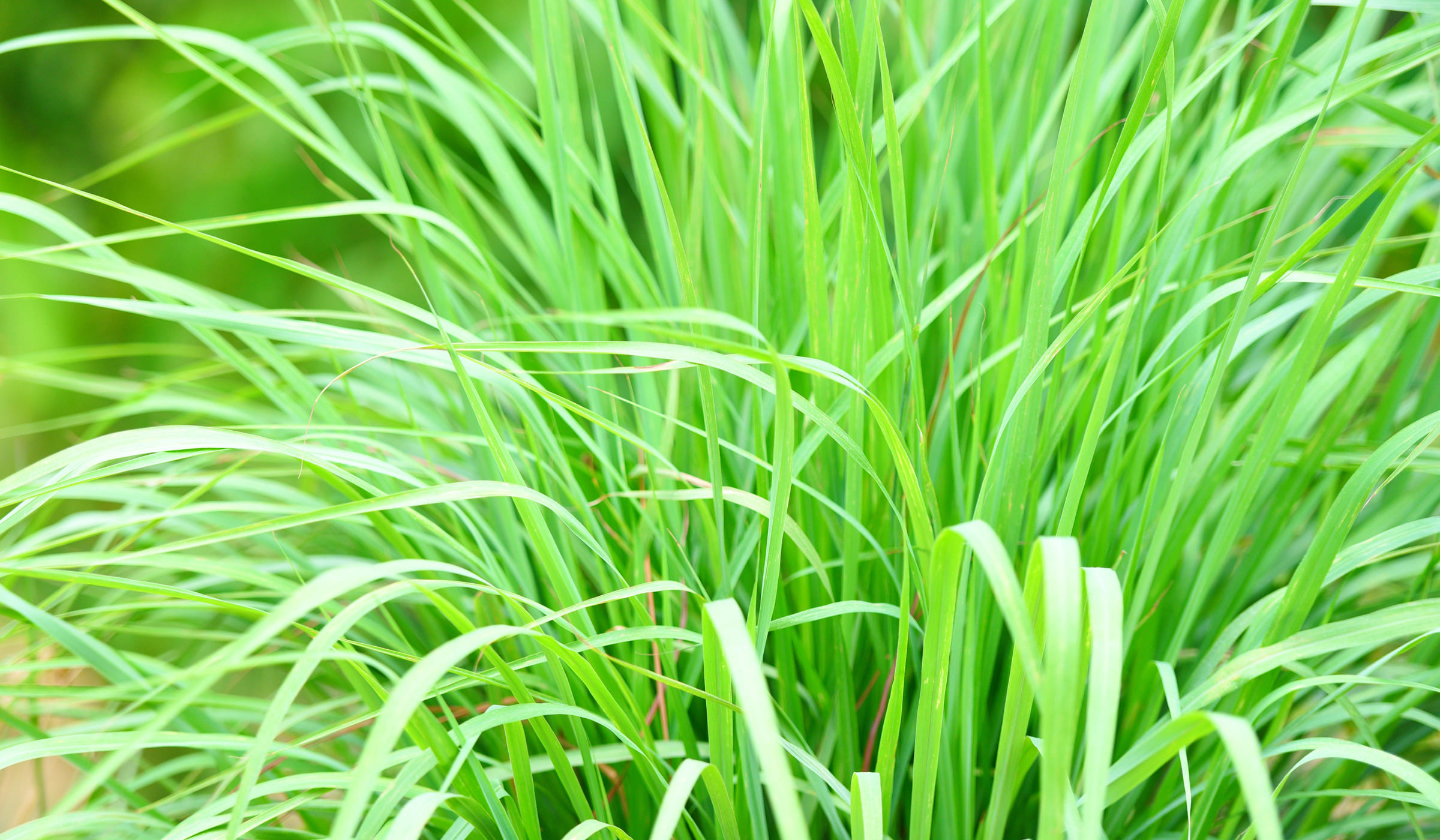
Lemongrass is an herb that grows in dense clumps of long, slender, grey‑green leaves. It is a perennial plant with rhizomes.
Medicinal Properties
Lemongrass has many therapeutic virtues. It helps combat digestive and gastrointestinal disorders, fever, flu‑like symptoms, joint and muscle pain, rheumatism, fatigue, insomnia, stress, and anxiety.
Uses
During the Renaissance, this plant was used solely as a perfume. Colonists later used it for its antiseptic properties during yellow fever epidemics.
One of the main characteristics of lemongrass is its ability to repel mosquitoes. This is why you often find it planted around houses in the Caribbean. It is also used for this purpose in mosquito‑repellent sprays.
Its infusion is often consumed to relieve sore throats and flu symptoms. Lemongrass also flavors vegetables, meats, fish, shellfish, sauces, and soups. It is also used in the creation of cosmetic products (soaps, body lotions, shower gels, and essential oils).