Rhumerie JM

At the end of the 17th century, the famous “Father Labat” was the parish priest of the commune of Macouba. At that time, the house located on the banks of the Roche River was a sugar plantation.

In 1790, Antoine Leroux-Préville acquired it and gave it its current name, Fonds-Préville. In 1845, Antoine Leroux-Préville's daughters sold the property to Jean-Marie Martin, a merchant in Saint-Pierre and husband of Marie Ferment, daughter of a major plantation owner on the island.

Today, the Crassous de Médeuil heirs farm Martinique's three main crops: bananas (75 ha), pineapples (6 ha), and sugar cane (55 ha). It is the only farm to do so using crop rotation. The presence of these three crops and the JM distillery on the same farm is unique in Martinique and even in the Caribbean.

Since November 1996, Martinique's agricultural rums, including JM rums, have been awarded the Martinique Appellation d'Origine Contrôlée (AOC) designation. The Bellevue estate has 150 hectares of arable land, all of which is AOC terroir.

Photo gallery
Rhumerie JM
Rhumerie JM
Rhumerie JM
Rhumerie JM
Rhumerie JM
Rhumerie JM
Rhumerie JM
Rhumerie JM

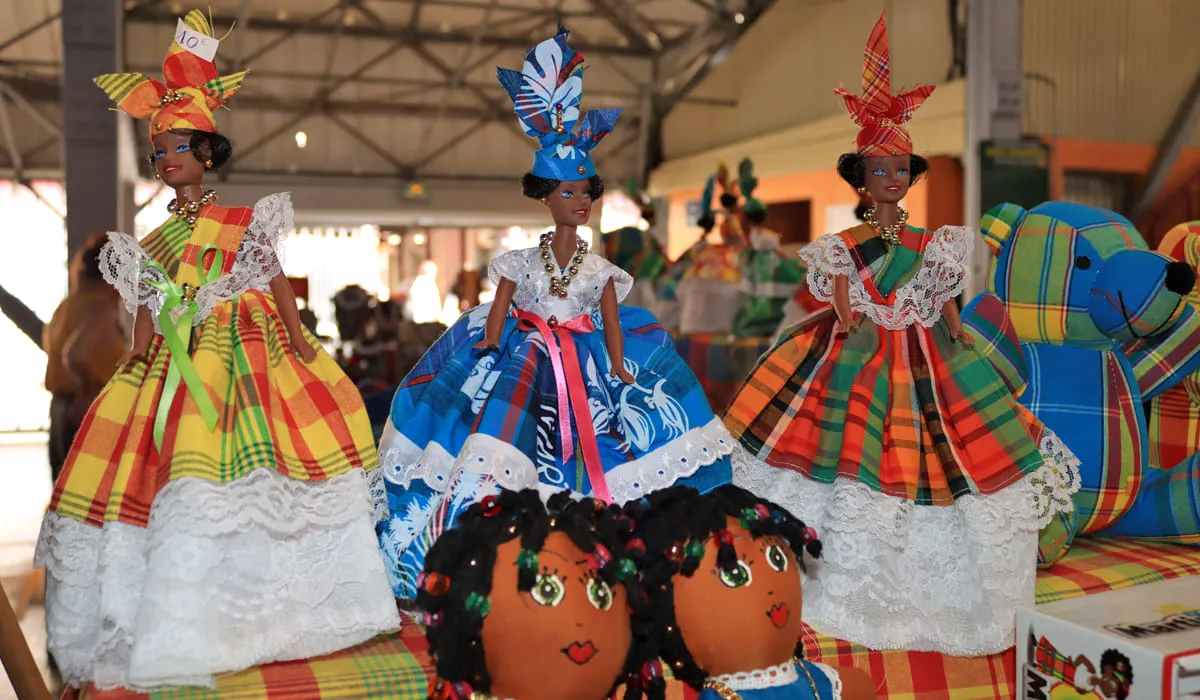
Madin'Dolls

In her home, a Martinican woman has assembled an impressive collection of dolls and opened La Maison de la Poupée (Doll's House). It's been renamed Madin'Dolls. She created all the outfits—made of fabric or banana leaves—to illustrate the wardrobe of Creole women according to different occasions, social statuses, and professions. Some of the dolls in the collection are available for purchase.

You can also eat on-site, as snacks and meals are offered.

In addition, the place features a carousel for children.

Photo gallery
Poupées avec des tenues martiniquaises

Saint James distillery

Saint James rum is said to have originated in Saint-Pierre-de-la-Martinique in 1765. In utmost secrecy, Reverend Father Edmond Lefébure, superior of the Brothers of Charity convent and a learned alchemist, crafted a white spirit of unprecedented quality. This cane-based eau-de-vie was known as “guildive” or “tafia,” terms derived from the English expression kill-devil, once used to describe early rum.

In 1763, King Louis XV authorized Martinique to export its rum. At the time, the only permitted destination was New England — now part of the United States. In 1765, to facilitate its sale abroad, it was decided to give the rum a name with strong Anglo-Saxon resonance: “Saint James.”

In 1885, the “Saint James” brand was officially registered, along with its iconic square bottle — the first of its kind in the world. This innovative design allowed for easier storage in ship holds and reduced breakage during rough crossings. That same year, Saint James launched its first rum, relying on advertising to quickly build its reputation.

On May 8, 1902, the eruption of Mount Pelée destroyed the town of Saint-Pierre and the main site of Saint James. The Saint James Habitation was only partially damaged.

In 1974, all production was centralized at a single site in Sainte-Marie, where the distillery still operates today. The official inauguration took place on December 23, 1974, in the presence of Jacques Chirac, then Prime Minister.

A museum was established near the Habitation to trace the history of rum in Martinique, from its origins to its modern evolution.

Today, the Saint James distillery remains active. Its sugarcane plantations span nearly 300 hectares.

A must-see: hop aboard the “Train des Plantations,” an authentic vintage steam train offering a scenic ride through the Atlantic North, winding through sugarcane fields and banana plantations.

Photo gallery
Saint James distillery
Map showing the stages of the tour of the Saint James distillery
Old rum-making machine
Red pineapple at Saint James distillery
Saint James Distillery
Saint James' distillery store
Rum museum at Saint James
Saint James Distillery
Rum Museum sign
Rum Museum sign

Le Galion

Former possession of the powerful family Dubuc, the sugar refinery Galion became the possession of a merchant of Saint-Pierre, Eugene Eustache who bought the debt of the former owners.

Around 1861, he decided to make a factory because the sugar plantations closed the ones after the other due to the foreign competition. The institution created is called "Usine le Galion". He bought the plantations nearby to supply sugar canes directly without having to buy. Gradually it has an area of ​​2300 hectares.

Galion got prosperous and the strong demand for sugar in the early 20th century allow him to make impressive profits. However, from the mid-20th century the factory is experienced major difficulties due to management problems, the sharp decline in demand, and the cost of production of sugar cane.

In 1984, the management of Le Galion is transferred to local authorities which inject money to cover its debts. Today le Galion belongs to an European investment fund (COFFEP) which the holding company La Martiniquaise is the owner of distilleries Dillon, Depaz, Negrita, etc. It is situated on the N1 between the cities of Robert et Trinité.

Photo gallery
Entrée de la l'Usine du Galion
Remorque utilisée lors de la récolte de la canne
Boutique de l'usine du Galion

Museum of the sea

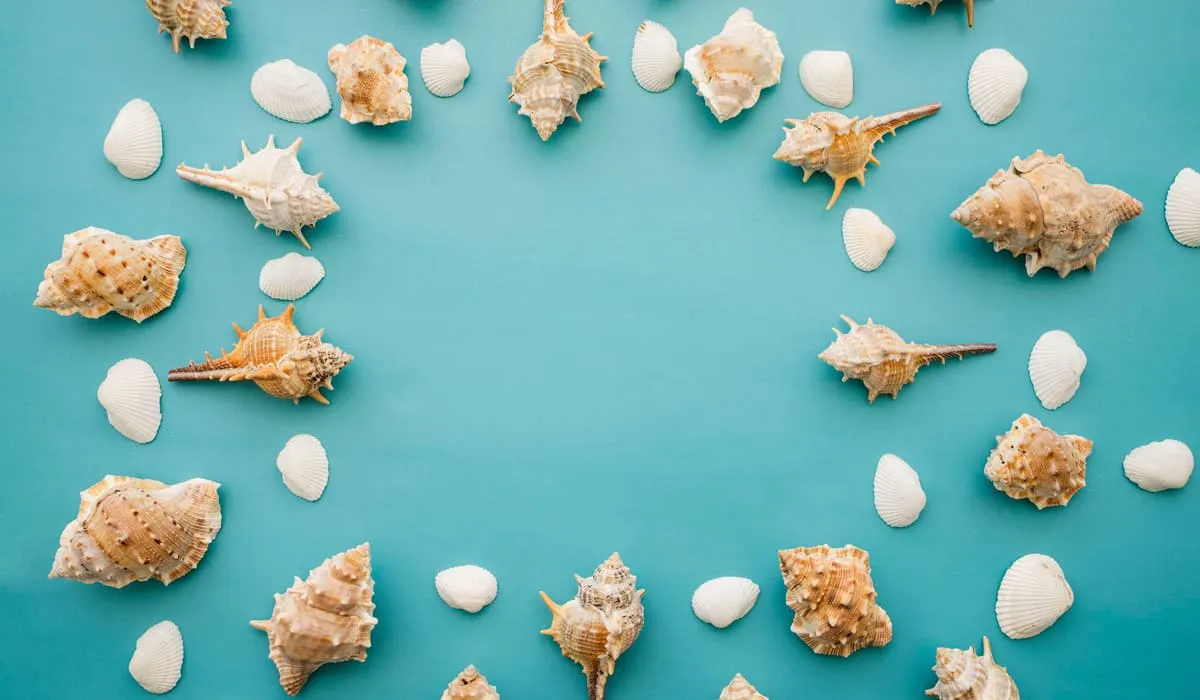
The Sea Museum replaces the former Shell and Sea Museum, which was once located in the town of Le Diamant, inside the Écrin Bleu hotel. This small museum houses a collection of 2,000 shells from Martinique, other Caribbean islands, and from around the world.

It was the hotel owner who came up with the idea of showcasing his collection. Arriving in Martinique from Marseille at the age of 9, he developed a deep passion for the sea and began collecting shells at the age of 16.

With over 2,000 specimens in his possession, he decided to share them with the public. His goal? to highlight the wonders of the ocean floor, such as corals, sea urchins, fish, crustaceans, and starfish.

Plan for a 30 to 45-minute visit. There are no guided tours.

A gift shop is available on-site. You can leave with one or more of the 150 shells on offer, or choose from a selection of jewelry and handcrafted items made from shells and other marine treasures.

The museum was recently relocated to the town of Trois-Îlets, in the Village of Poterie.

Photo gallery
Coquillages exposés
Coquillages exposés