Savane des esclaves

Located in the rural area of Trois-Ilets in the La Ferme neighborhood, Savane des Esclaves is a 2-hectare park created by Gilbert Larose.

Without any financial assistance and on his own initiative, Gilbert Larose first cleared the area and rebuilt an “Antan Lontan” village, complete with dwellings and the lifestyle of the “nèg-mawon,” slaves who had fled the plantations to take refuge on the hills and lived independently.

He also planted bananas, Chinese cabbage, sweet potatoes, and cassava. The guided tour lasts about an hour. It will take you back in time to discover Martinique's past and traditions.

During this guided tour, you will see wooden huts, medicinal plants, gardens, and birds, as well as a small museum dedicated to slavery. Activities (cassava and cocoa making, tastings, and concerts) are regularly offered on the theme of slavery and Martinique's past.

A shop sells the farm's produce, and to delight the little ones, they can buy ice cream and fruit juice there.

To get there, head towards Les Trois-Ilets and then follow the signs.

Photo credit: https://www.lasavanedesesclaves.fr
Photo gallery
Wooden hut in the Slave Savannah
Slave village at the Slave Savannah

Franck A. Perret museum

Located on the site of the old battery Esnotz, Frank A. Perret Museum, overlooking the sea, was opened in 1933 by the will of the American amateur of volcanoes, Frank Arvold Perret (see his statue by Henri Marie-Rose at the entrance to the town), who had promised to give to the city after he died in 1943.

A new building replaced the former in 1969. A single room contains numerous remnants of the disaster, showcasing the brutality of the phenomenon and describing how everyday life came to a halt on May 8, 1902, at 8:00 a.m. 

The horror is embodied in a collection of very ordinary objects bearing the marks of the disaster, whose surreal deformations struck the imagination of European artists.

Brassaï and Picasso were sensitive to these melted glass and these compressed objects that they had copies of. André Malraux, in his way, stopped there too. 

You can also see rice petrified, a set of glasses melted, or the bell of the Cathedral at the time, completely flattened. In addition, the photos show the city before and after the eruption.

Photo gallery
Musée Frank A. Perret

Musée de la Pagerie

The Musée de la Pagerie is the birthplace, in 1763, of Marie-Josèphe Rose Tascher de la Pagerie, who later became Empress Josephine de Beauharnais. Today, the building is a museum entirely dedicated to her life and legacy.

The guided tour takes you through the ruins of the estate, which was damaged by several cyclones. You’ll see her childhood bed, portraits, and letters said to have been sent to her by Napoleon. The visit also includes the reception area, a botanical garden, the ruins of the sugar mill, her birth house, the cane press, and the “manioquerie,” a space where cassava was traditionally processed.

It was in this house that she learned of her future marriage to Napoleon Bonaparte, whom she wed in 1796. Two mayors of Trois-Îlets sought to honor this iconic figure born in their town: in the 1930s, Mayor Gabriel Hayot created a first museum near the church where she was baptized. Then, in 1944, Mayor Robert Rose-Rosette acquired the property where the museum now stands.

To get there, head to the town of Trois-Îlets. Once in front of the Trois-Îlets golf course, follow the signs to the Musée de la Pagerie.

Photo gallery
Musée de la Pagerie
Musée de la Pagerie
Musée de la Pagerie
Musée de la Pagerie
Musée de la Pagerie
Musée de la Pagerie
Musée de la Pagerie
Musée de la Pagerie
Musée de la Pagerie
Musée de la Pagerie
Musée de la Pagerie
Musée de la Pagerie
Musée de la Pagerie
Musée de la Pagerie

Banana Museum

Located in a lush green setting, the Banana Museum sits within the “Limbe” plantation, a banana estate in the town of Sainte-Marie. During your visit, you'll explore the history of the banana—from its introduction to the Caribbean during 16th-century colonization to its role today.

The museum showcases over 65 banana species out of the 300 recorded worldwide, spread across a scenic 4-hectare trail.

You’ll also discover fascinating insights into the world’s favorite fruit: its origins, cultivation techniques, culinary uses, and more.

On-site, the restaurant “La Bananeraie” invites you to enjoy inventive dishes where bananas take center stage.

Occasional exhibitions are also held, celebrating the banana in all its cultural and botanical richness.

Photo gallery
Banana plantation at the Banana Museum
Banana Museum
Banana Museum
Banana Museum
Banana Museum
Banana Museum
Banana Museum
Banana Museum
Banana Museum

Jardin de Balata

If there are two unmissable visits to do when you go to Martinique, it is the Habitation Clément and Jardin de Balata. It was in 1982 that Jean-Philippe Thoze, horticulturist, landscape designer and artist in the soul returns to the footsteps of his childhood home of his Creole grandparents. From there, born a passion for botany that will lead him to the four corners of the world.

The garden is organized around the family home in typical Creole architecture, is the result of a perfect alchemy between a homecoming and an atypical artist.

The garden opened its doors for the first time on 19 April 1986 and takes its name from the many old trees which where on the land. The property acquired by the father of Jean-Philippe Thoze during the war, was then a simple cottage-style house looking like a farm. Subsequently, it was sold to the grandmother of the current owner who first used as a second home as a main residence and during his retirement. At his death the property was abandoned during ten years.

Jean-Philippe Thoze, horticulturist at the head of a landscaping company, used it as storage place for abandoned plants he used to bring of his many travels. Then came the day when the family decides to sell and it is naturally to Jean-Philippe Thoze they asked to clear. On this occasion he rediscovers Balata and literally fell in love. He bought the property, and from what had become a savanna where nature had reclaimed its rights, he creates progressively a garden that now houses more than 3,000 species of tropical plants.

To get there from Lamentin, take RN5 towards Morne Rouge, from Fort-de-France take the "Route de Balata / Route de la Trace" towards the Morne Rouge.

Photo gallery
Hummingbirds in the Balata Garden
Red balisier in the Balata Garden
Red flower in the Balata garden
Plant in the Balata Garden
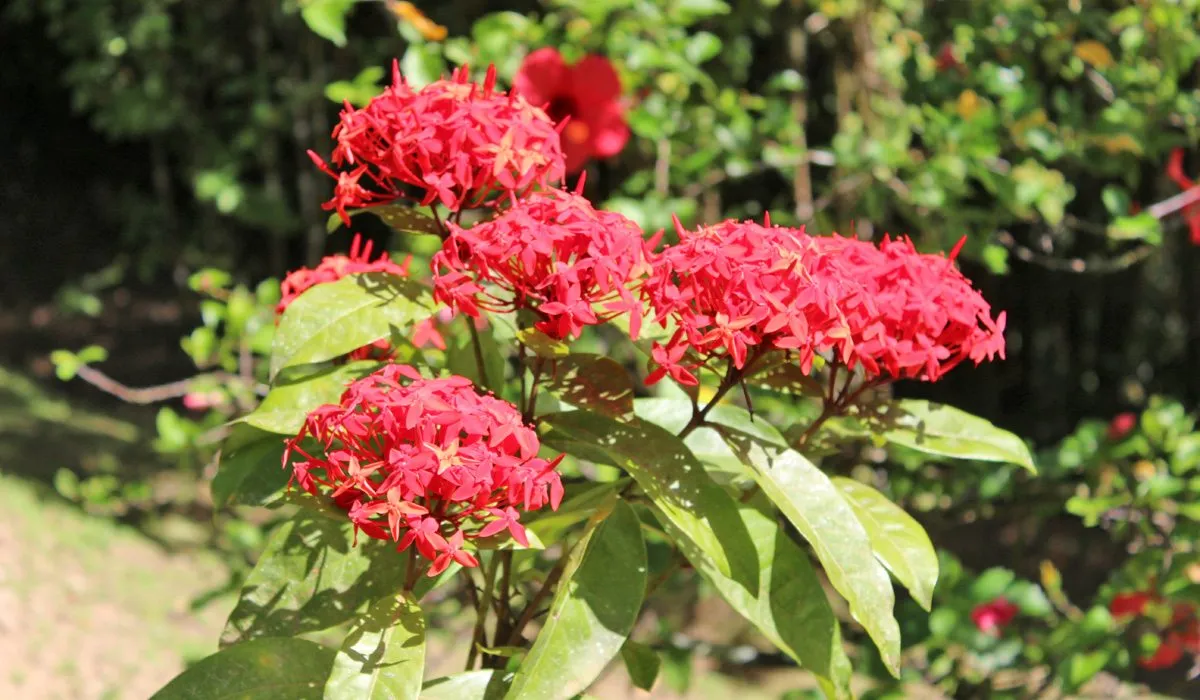
Red Ixora at Balata Garden
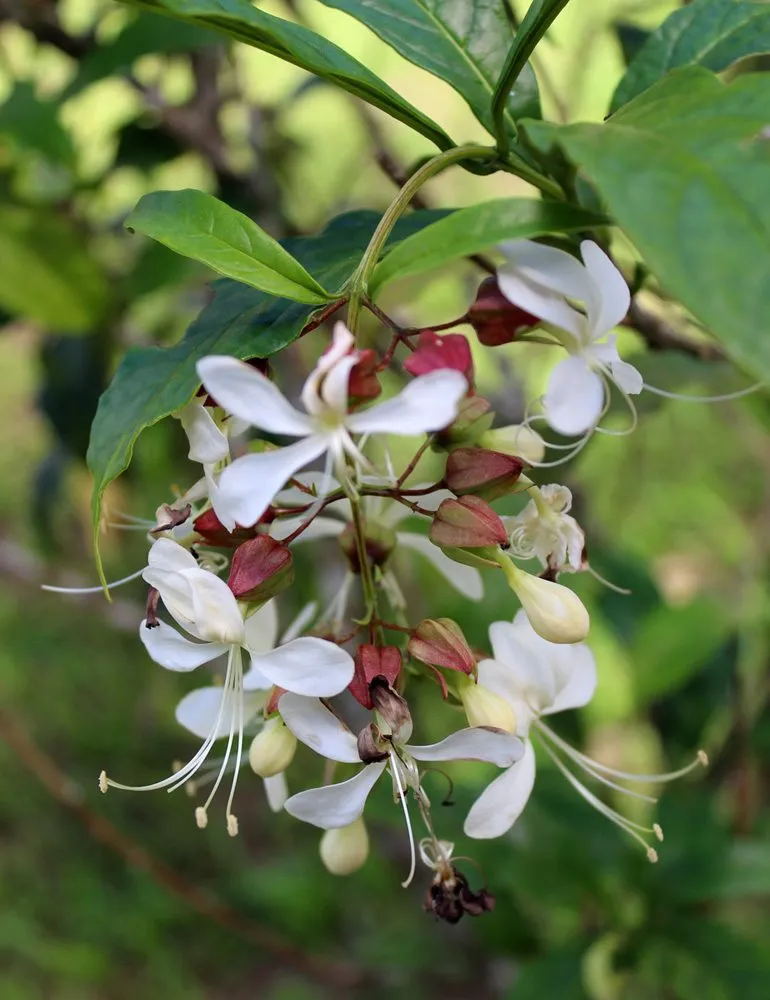
White flower in the Balata garden
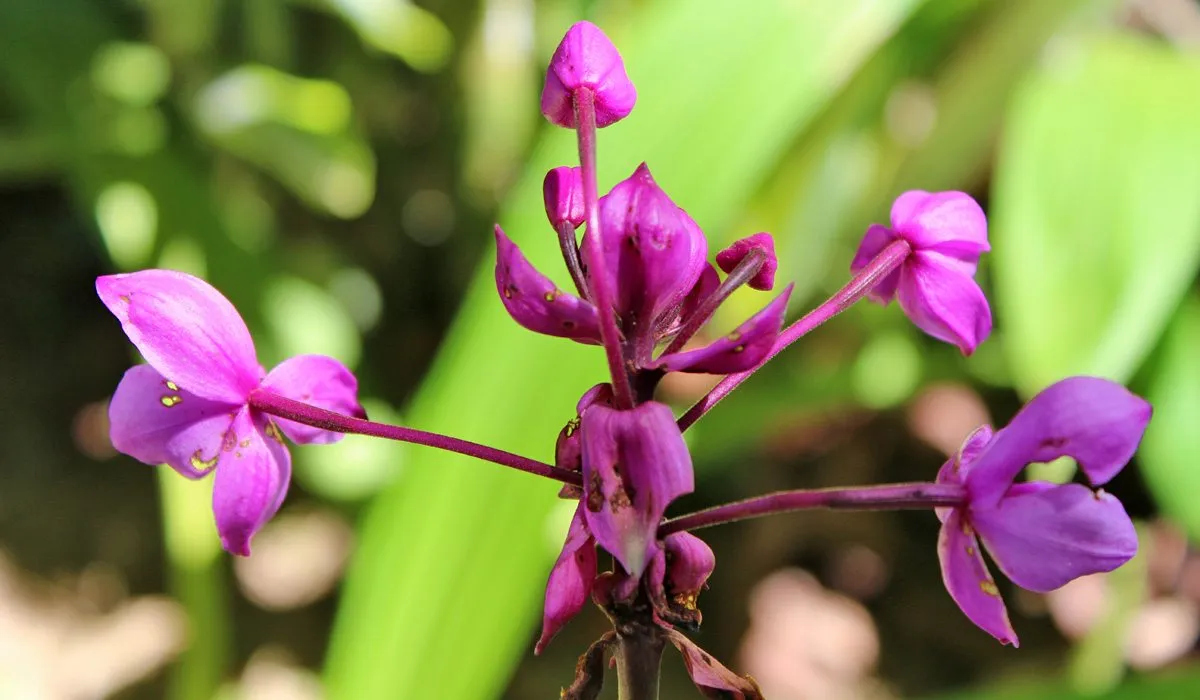
Purple flower in the Balata garden
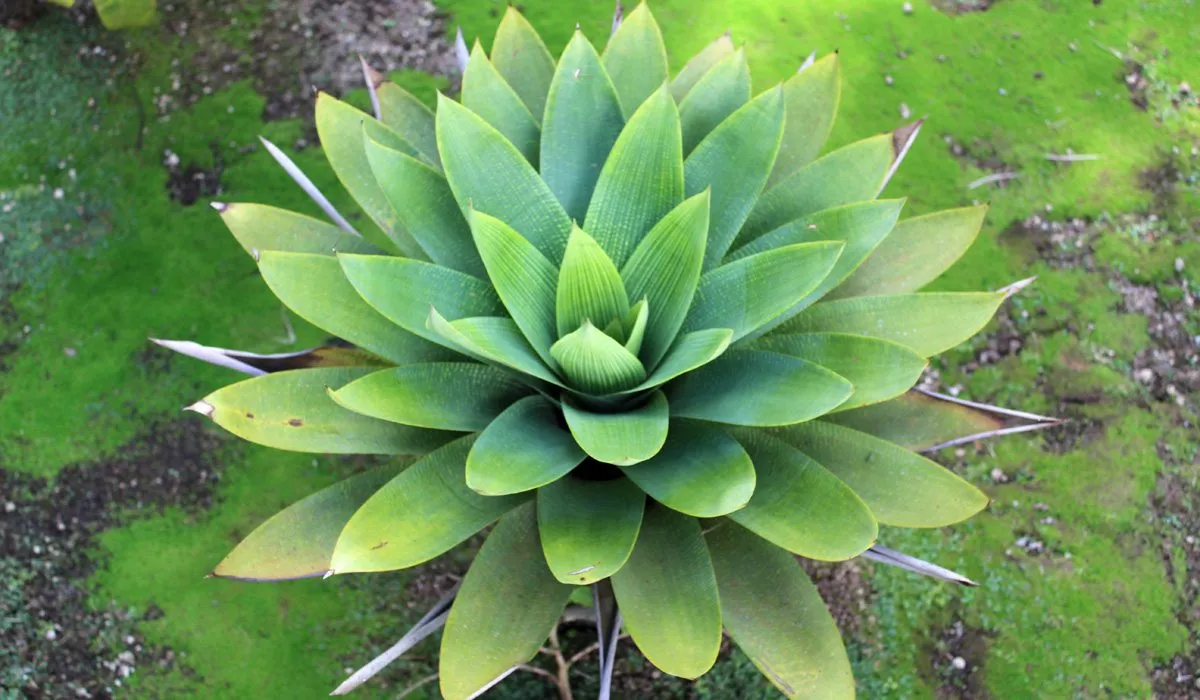
Green plant in the Balata garden
Hummingbirds in the Balata Garden
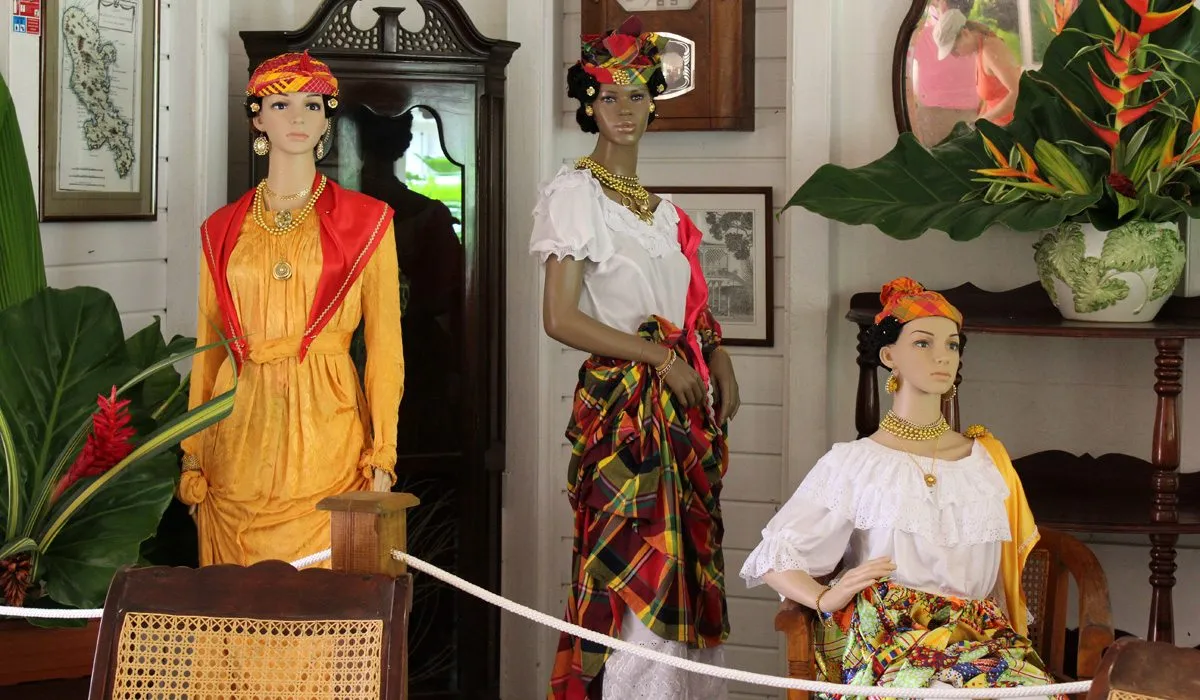
Mannequins wearing traditional clothing at the Balata Garden House
Green plant in the Balata garden
Palm fruits in the Balata garden
Pink flower in the Balata garden
Nénuphar au jardin de Balata

Saint James distillery

Saint James rum is said to have originated in Saint-Pierre-de-la-Martinique in 1765. In utmost secrecy, Reverend Father Edmond Lefébure, superior of the Brothers of Charity convent and a learned alchemist, crafted a white spirit of unprecedented quality. This cane-based eau-de-vie was known as “guildive” or “tafia,” terms derived from the English expression kill-devil, once used to describe early rum.

In 1763, King Louis XV authorized Martinique to export its rum. At the time, the only permitted destination was New England — now part of the United States. In 1765, to facilitate its sale abroad, it was decided to give the rum a name with strong Anglo-Saxon resonance: “Saint James.”

In 1885, the “Saint James” brand was officially registered, along with its iconic square bottle — the first of its kind in the world. This innovative design allowed for easier storage in ship holds and reduced breakage during rough crossings. That same year, Saint James launched its first rum, relying on advertising to quickly build its reputation.

On May 8, 1902, the eruption of Mount Pelée destroyed the town of Saint-Pierre and the main site of Saint James. The Saint James Habitation was only partially damaged.

In 1974, all production was centralized at a single site in Sainte-Marie, where the distillery still operates today. The official inauguration took place on December 23, 1974, in the presence of Jacques Chirac, then Prime Minister.

A museum was established near the Habitation to trace the history of rum in Martinique, from its origins to its modern evolution.

Today, the Saint James distillery remains active. Its sugarcane plantations span nearly 300 hectares.

A must-see: hop aboard the “Train des Plantations,” an authentic vintage steam train offering a scenic ride through the Atlantic North, winding through sugarcane fields and banana plantations.

Photo gallery
Saint James distillery
Map showing the stages of the tour of the Saint James distillery
Old rum-making machine
Red pineapple at Saint James distillery
Saint James Distillery
Saint James' distillery store
Rum museum at Saint James
Saint James Distillery
Rum Museum sign
Rum Museum sign

Le Galion

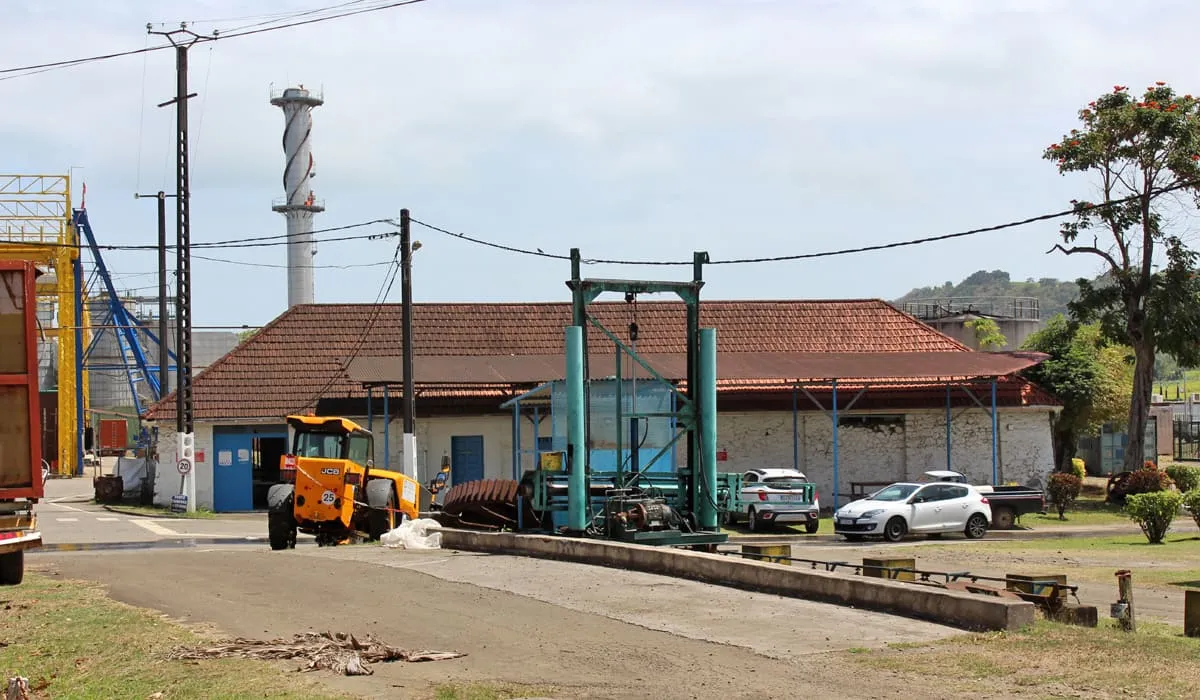
Former possession of the powerful family Dubuc, the sugar refinery Galion became the possession of a merchant of Saint-Pierre, Eugene Eustache who bought the debt of the former owners.

Around 1861, he decided to make a factory because the sugar plantations closed the ones after the other due to the foreign competition. The institution created is called "Usine le Galion". He bought the plantations nearby to supply sugar canes directly without having to buy. Gradually it has an area of ​​2300 hectares.

Galion got prosperous and the strong demand for sugar in the early 20th century allow him to make impressive profits. However, from the mid-20th century the factory is experienced major difficulties due to management problems, the sharp decline in demand, and the cost of production of sugar cane.

In 1984, the management of Le Galion is transferred to local authorities which inject money to cover its debts. Today le Galion belongs to an European investment fund (COFFEP) which the holding company La Martiniquaise is the owner of distilleries Dillon, Depaz, Negrita, etc. It is situated on the N1 between the cities of Robert et Trinité.

Photo gallery
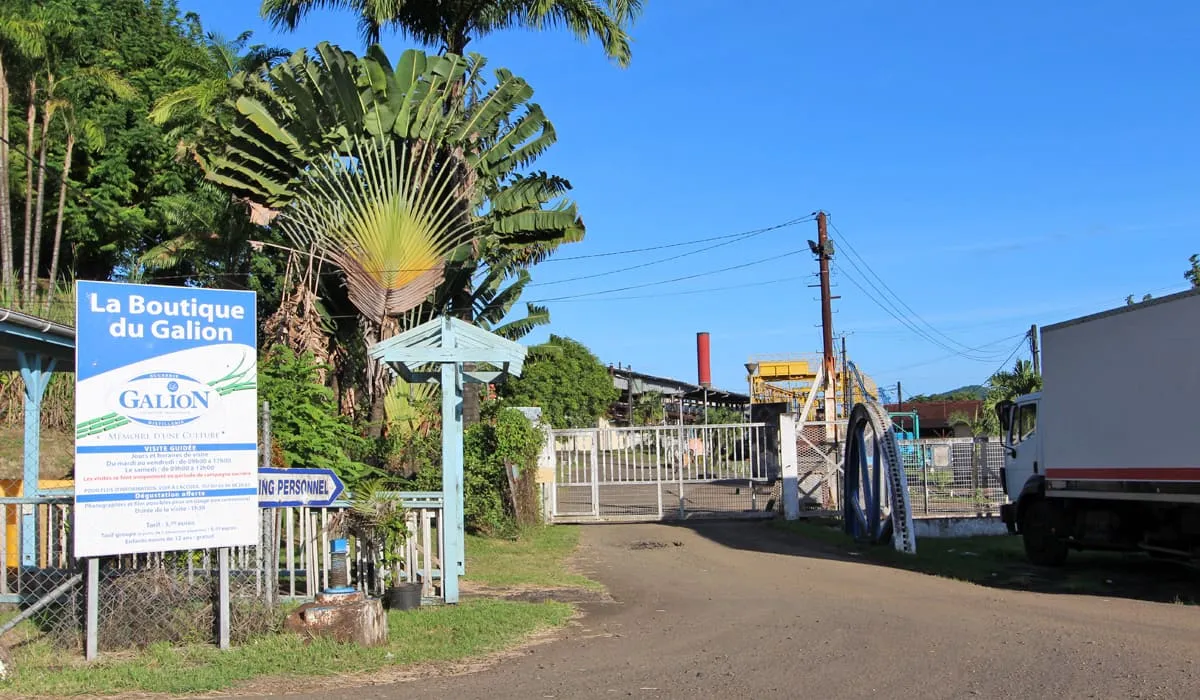
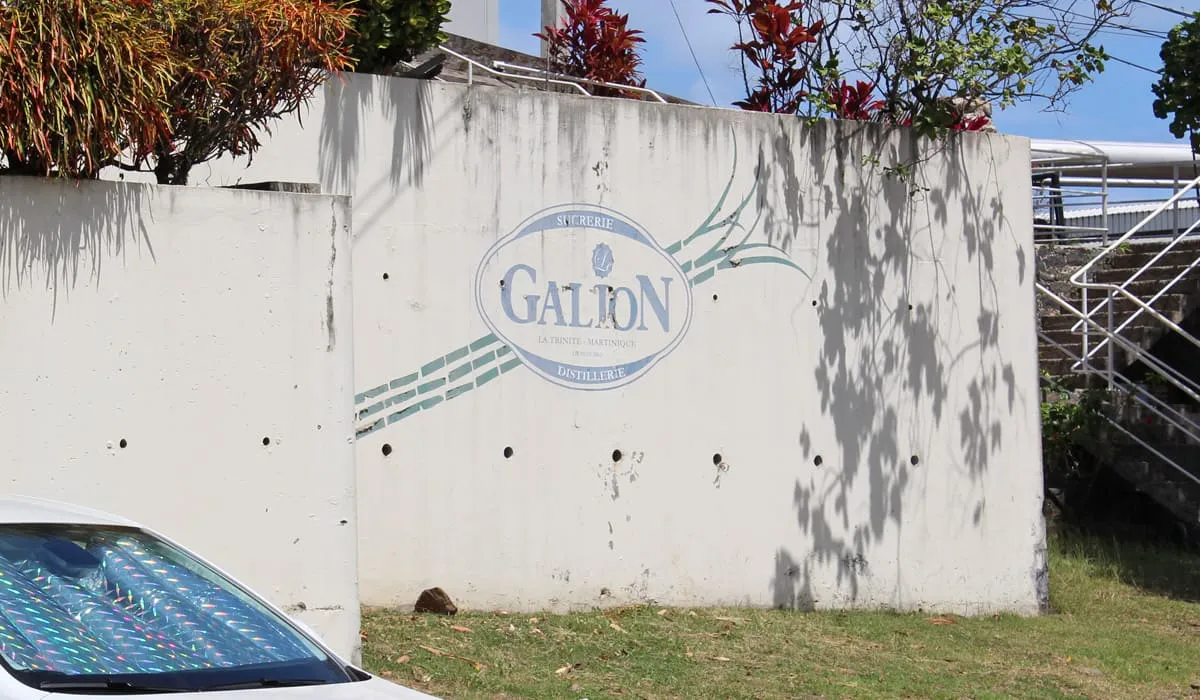
Entrée de la l'Usine du Galion
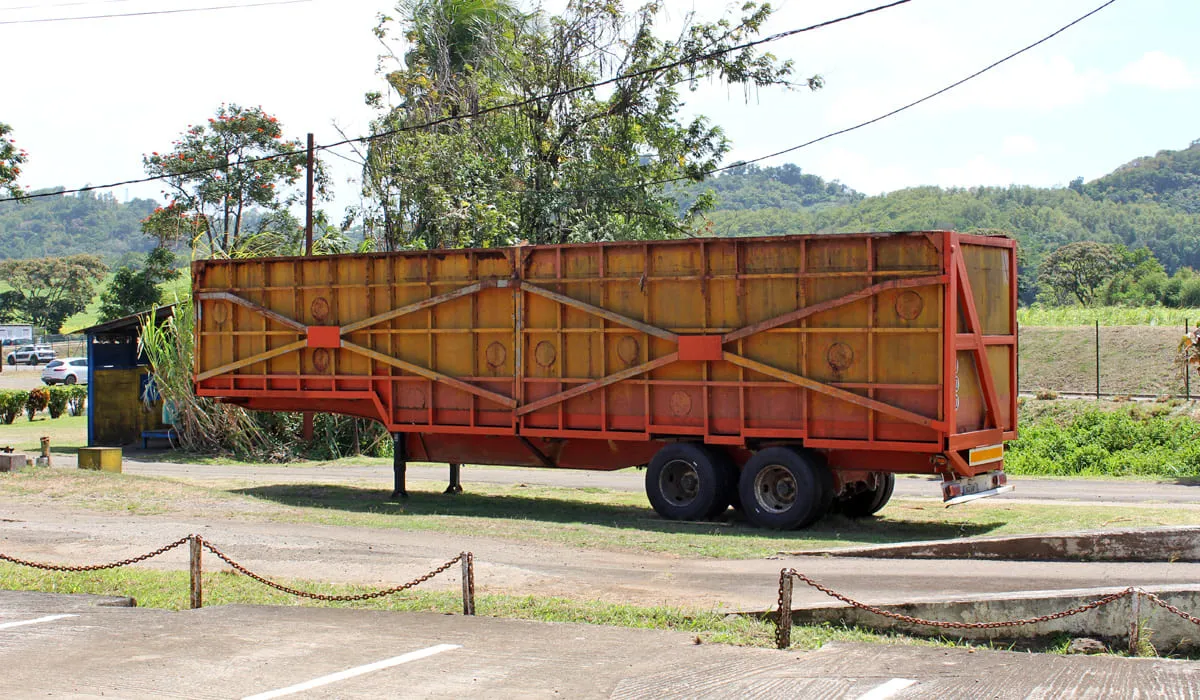
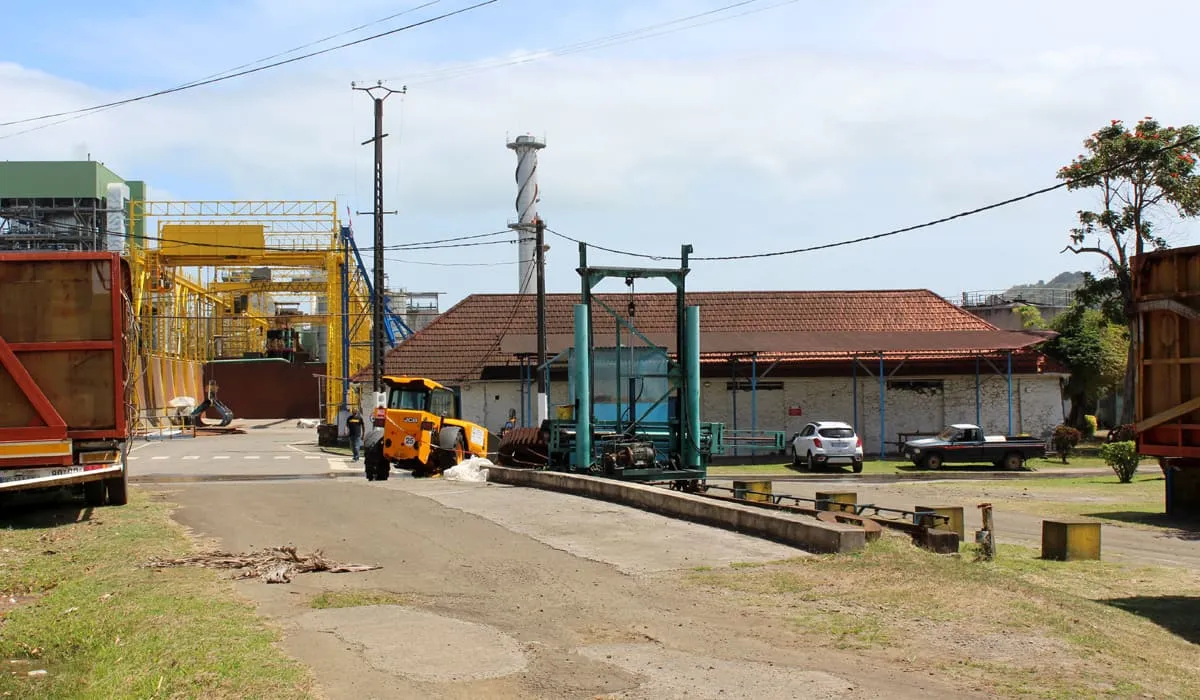
Remorque utilisée lors de la récolte de la canne
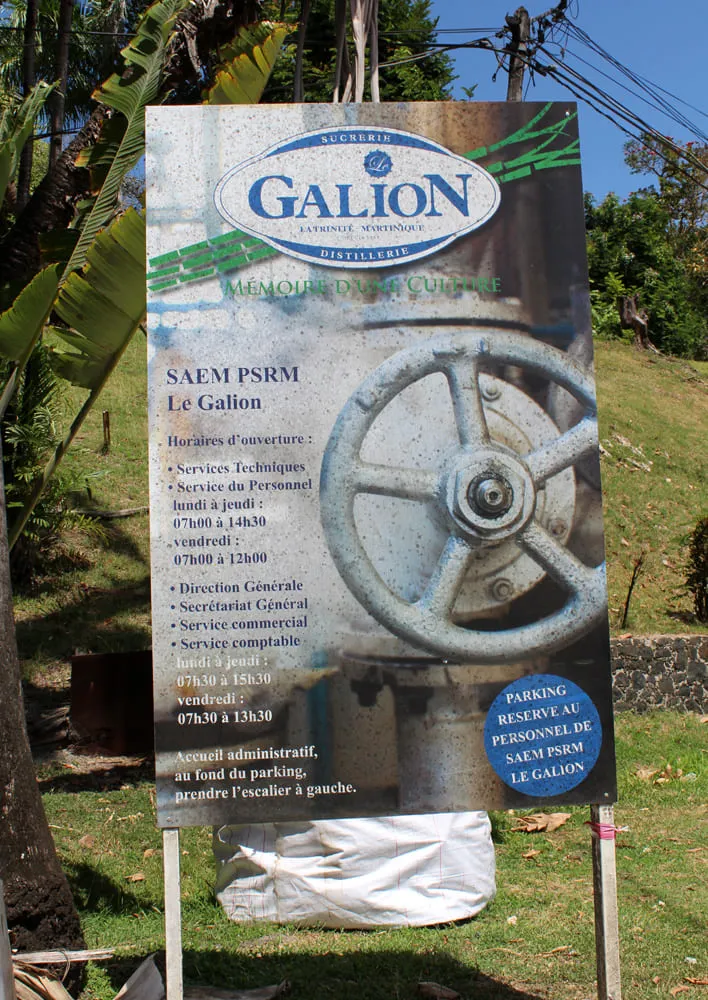
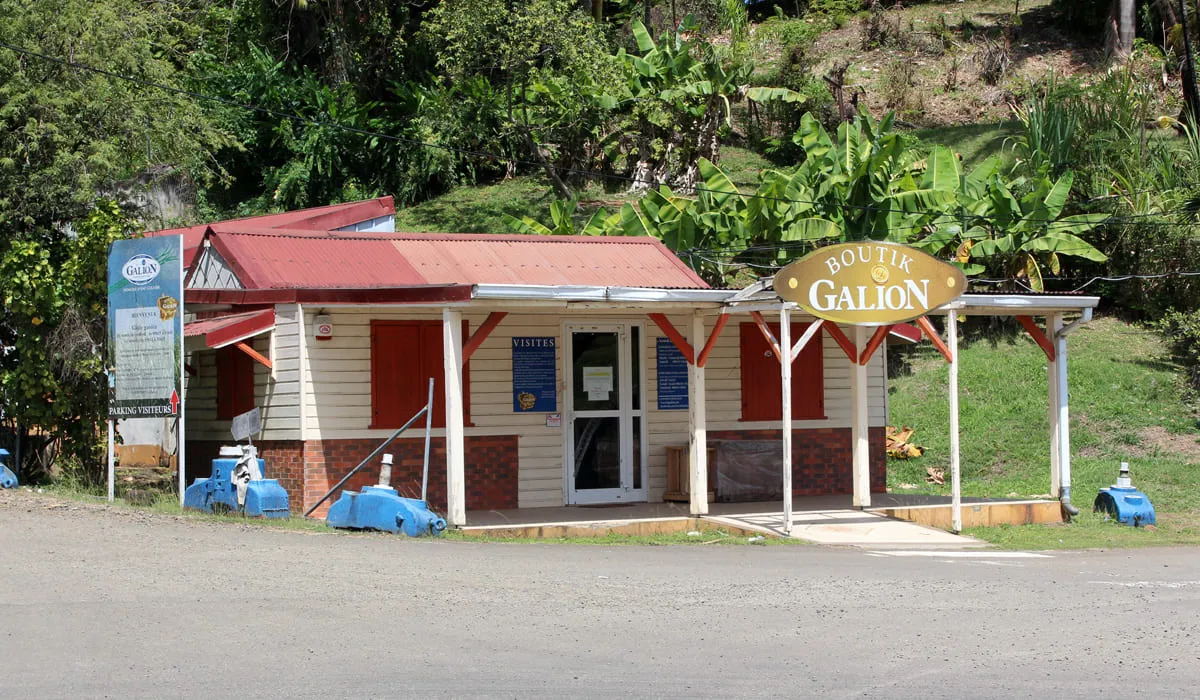
Boutique de l'usine du Galion

An griyav la

"An Griyav la" is a former sugar plantation that produced sugar cane to feed the factory of the town Robert.

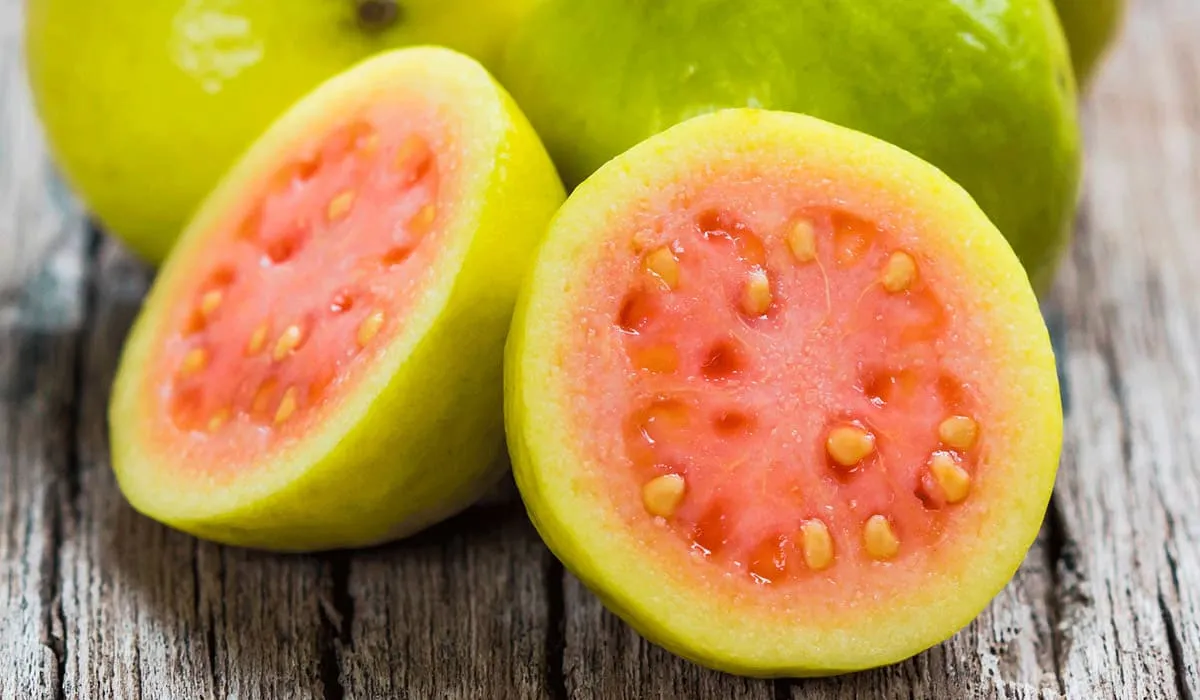
Today, the plantation of 16.5 hectares mainly produces guava and has a garden with many trees and flowers.

With guava in Martinique, we make juice, jam, jelly basically. You can enjoy it all on site. But you can also find plenty of other local cultures. It is possible to spend the day and have lunch (local food tasting) if you book.

To get there, go towards the Vert-Pre / Gros Morne direction.

Photo gallery
Goyaviers portant des fruits et des fleurs
Goyaves coupées en deux

Jardin de la montagne

Located to the left of the Montagne du Vauclin, the Jardin de la Montagne (Garden of the Mountain) offers a magnificent panoramic view (504 meters above sea level) over the bay of François. The garden benefits from a bio-climate which has allowed its owners to create a superb floral garden.

In this remarkable site, food plants and familiar nourishing trees are associated with the richness of tropical flora. The garden is spread over one hectare around the house. There are several cultural spaces there.

The vegetable garden is organized according to the criteria of the Creole garden where there is a perfect balance between vegetable plants and fruit trees. A space is also devoted to aromatic and medicinal plants.

In this garden, the floral and ornamental species compete in their beauty and their colors: Tecoma stans, crossanda, begonia, porcelain rose, balisier, alpinia, birds of paradise, ornamental banana, bougainvillea and many others...

It is possible to buy flowers on site.

To get there from the village of Vauclin, head towards the town of Saint-Esprit and then turn right towards the D18.

Photo gallery
Panneau d'affichage du jardin de la Montagne
Bananes rose au jardin de la montagne
Cacao au jardin de la montagne
Balisier rose au jardin de la montagne
Hibiscus au jardin de la montagne

Distillerie Dillon

Distillerie Dillon owes its name to Count Arthur Dillon, general and hero of the American Revolutionary War. He married a cousin of Joséphine de Beauharnais, Laure Girardin de Montgérald, owner of the house which, through this marriage, became the Dillon house. Elected deputy for Martinique in 1789, he was accused of conspiracy by Robespierre and beheaded in April 1794.

In 1857, Habitation Dillon was bought by the mayor of Saint Pierre, Pierre Hervé, who restored the canal and the dyke, and built a sugar mill, a guildery and railroads. But the sugar crisis of 1866 ruined it, and the plantation became a public limited company managed by Louis Domergue.

In 1891, a cyclone devastated the 18th-century dwelling and led to the death of Louis Domergue. In 1900, his son Raoul rebuilt it from a house in Saint-Pierre, which he had dismantled beam by beam, thus saving it from disaster.

But in 1919, one of the administrators had to comply with the quota policy and ended up transforming, in 1928, the distillery into a sugar factory. Managed by the de Laguarigue family, Habitation Dillon did not start making agricultural rum again until 1954.

It was bought in 1967 by the Bordeaux family company Bardinet: in more than twenty years, the Bardinet Group will quadruple its annual production by investing in fermentation tanks, distillation columns and an aging cellar with a capacity of three thousand barrels.

Since 1981, Dillon rum has been regularly awarded at the Concours Général Agricole, thus confirming its qualitative and commercial progress both on the Martinican and Guyanese markets as well as in mainland France, where it holds first place. Having become the property of the company La Martiniquaise in 1993, the Dillon brand continues to contribute to the influence of the Controlled Designation of Origin (A.O.C. in French for Appellation d’Origine Contrôlée) Martinique, obtained in 1996.

Today, the Dillon distillery produces both rums and punches. During the visit, a slide show will allow you to see and understand the production and the different stages of production of agricultural rum, and then a tasting will be offered.

Photo gallery
Entrée de la Distillerie Dillon