Maison du Bagnard

The Maison du Bagnard is a house built by Médard Aribot, a Martiniquan sculptor, upon his return from the penal colony in 1960. He is said to have lived there until his death in 1973. It is an ornamented wooden house, painted white and blue, facing the Rocher du Diamant.

Médard Aribot was a renowned and talented sculptor. He was reportedly sentenced to life at the penal colony. Several explanations are given for the reasons behind his conviction. According to local accounts, the cause was his sculpture of Colonel Coppens, which was brandished and mocked by the crowd during an electoral riot in 1925.

Colonel Coppens, whose real name was Maurice de Coppens, was the owner of a sugar factory in Le Diamant who, in 1925, preferred to have the crowd fired upon rather than risk losing the election. Several people were killed, including Colonel Coppens himself during the riot.

Another “official” explanation attributes Aribot’s conviction to numerous thefts he was said to have committed. After several years in the penal colony in French Guiana, he was released in 1945 following the definitive closure of the penal camps. He returned to Martinique in 1953 and is believed to have lived in the Maison du Bagnard until his death in 1973.

The Maison du Bagnard will soon undergo renovation after winning a fundraising campaign dedicated to its restoration. It is listed as a Historic Monument.

Photo gallery
Maison du Bagnard
Maison du Bagnard
Maison du Bagnard
Maison du Bagnard

Anse Caffard

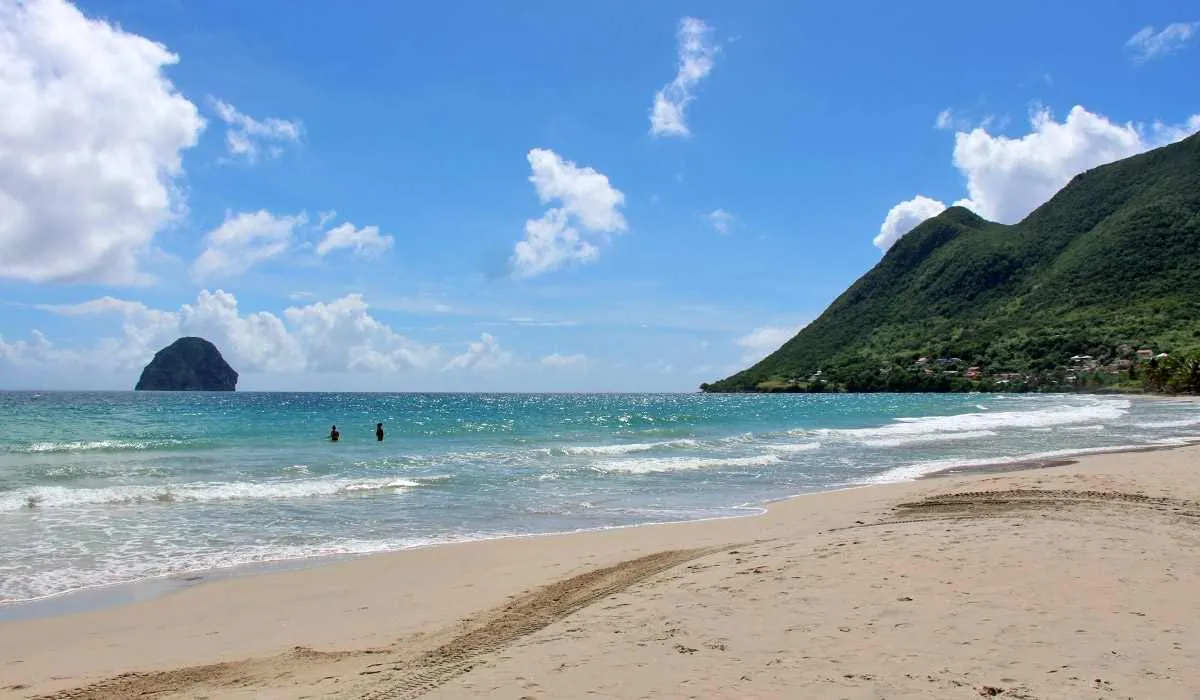
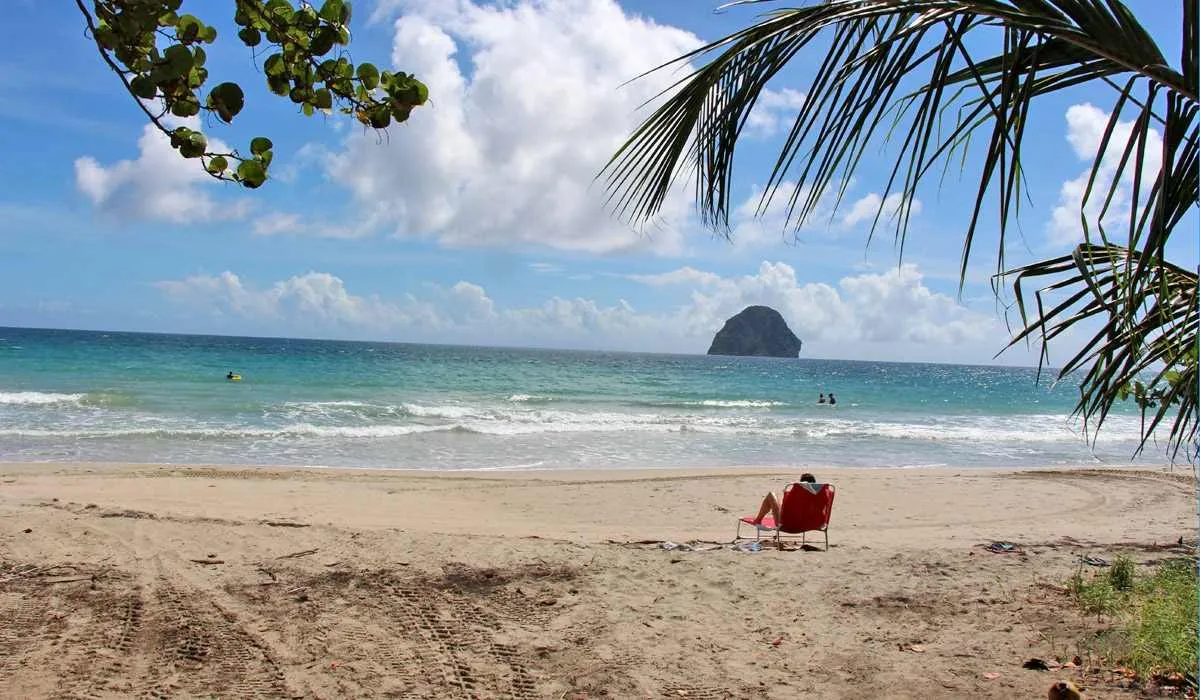
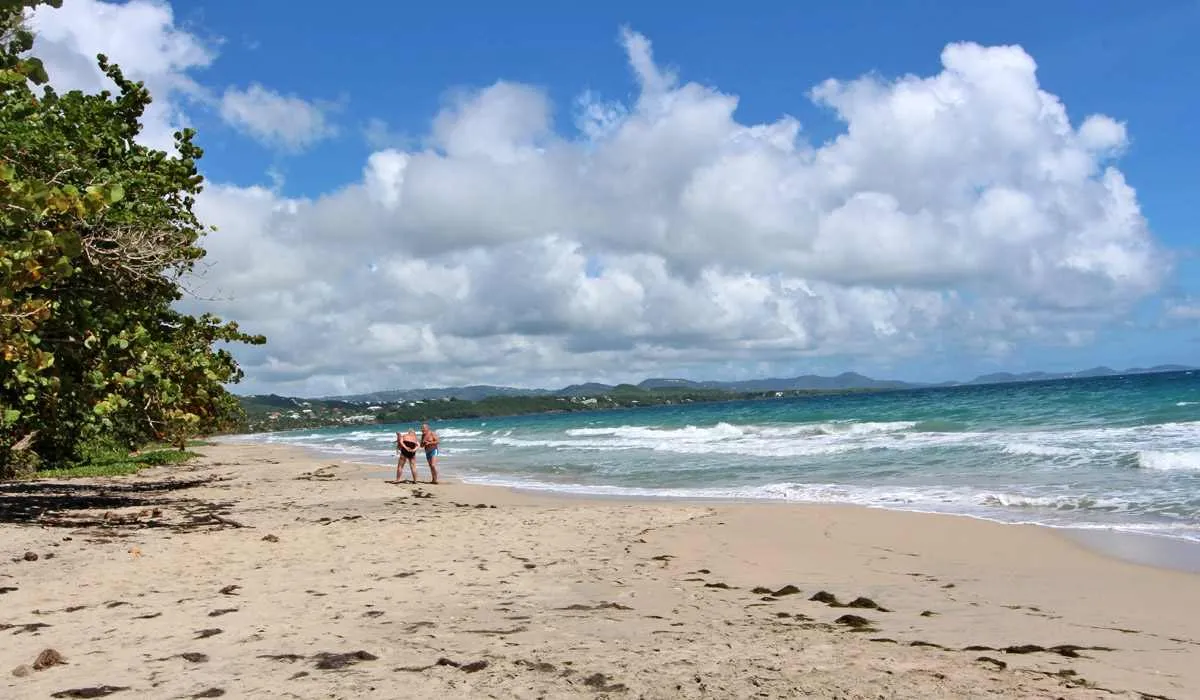
Anse Caffard beach is a brown sand beach located west of the town and at the foot of Morne Larcher. It is the extension to the west of the town's main beach, Diamant beach.

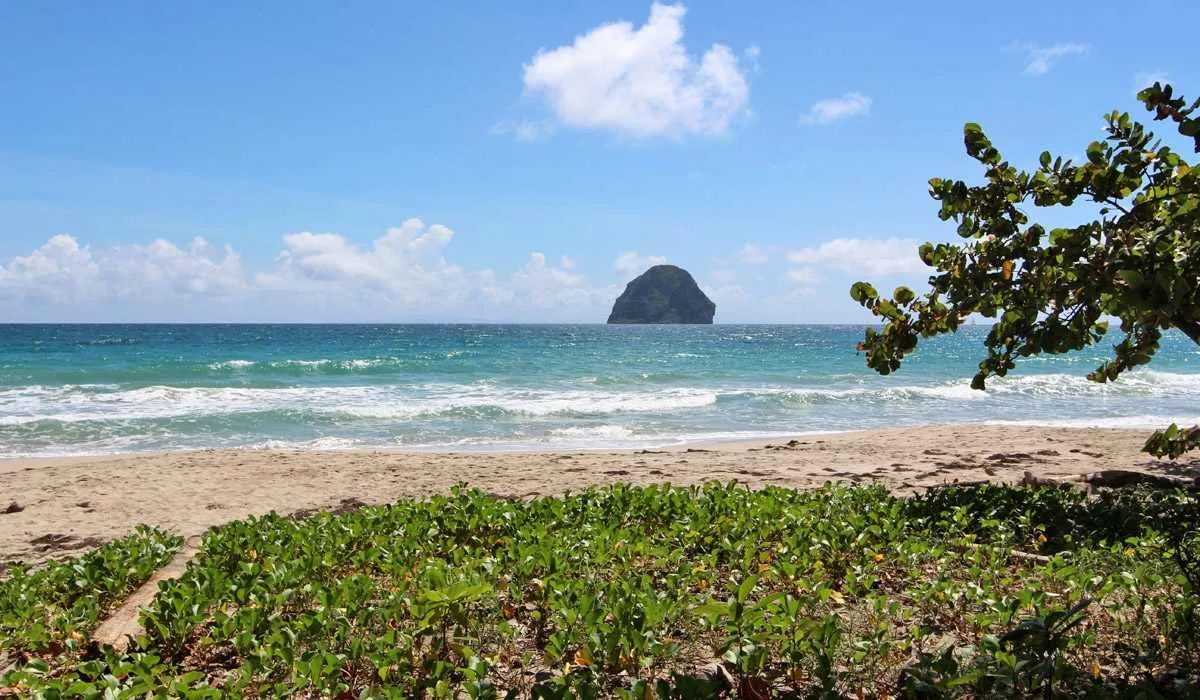
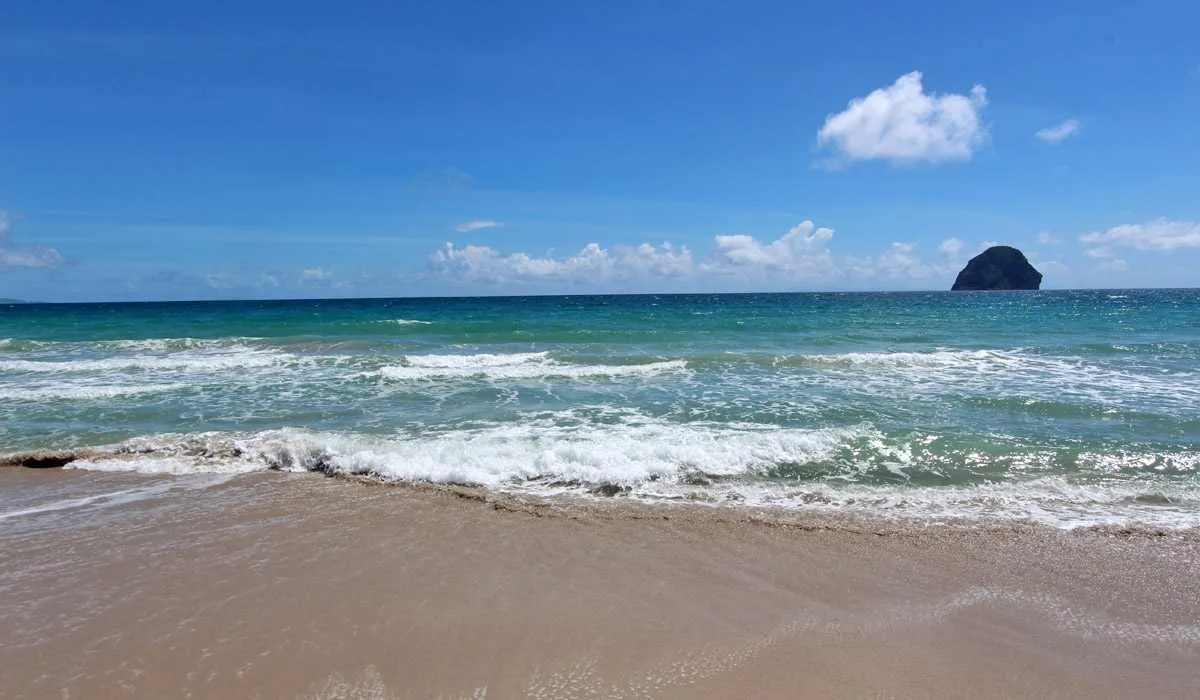
It is from this Diamant beach that you can best admire the Rocher du Diamant (Diamond Rock).

Many bars and restaurants are set on the sand, which makes it an ideal spot for gourmets who love the sea. The tragedy of slavery in Martinique is represented by the presence of the Slave Memorial facing the sea. It was erected in memory of the sinking of a slave ship which claimed the lives of many slaves in 1830.

Not far from there is another monument also marking the history of Martinique, the Maison du Bagnard.

To get there, head southwest of Martinique, and after entering the town of "Diamant", head towards "Petite Anse beach in Anses d'Arlet".

Photo gallery
Anse Caffard
Anse Caffard
Anse Caffard
Anse Caffard
Anse Caffard
Anse Caffard
Anse Caffard
Anse Caffard
Anse Caffard
Anse Caffard
Anse Caffard
Anse Caffard

Anse Céron

Anse Céron, in the commune of Prêcheur, is well worth a visit for its grey-black volcanic sand.

The beach is bordered by coconut and grape trees, and there is a great deal of vegetation. The water is crystal-clear. So don't forget your mask, snorkel, and flippers to admire the seabed.

The nearby islet, îlet la Perle, is renowned for its seabed. 

Picnic tables and showers are available.

It's a beach that has become popular over time. Its authenticity appeals to tourists looking for something different from the white-sand beaches of the south.

To get there via Fort-de-France, follow the signs for Saint-Pierre, then Le Prêcheur, and continue towards Anse Couleuvre. The entrance to Anse Céron will be mentioned.

Photo gallery
Anse Céron
Anse Céron
Anse Céron
Anse Céron
Baigneurs à l'Anse Céron
Anse Céron
Anse Céron
Hamac à l'Anse Céron
Panneau d'affichage à l'Anse Céron
Baigneurs à l'Anse Céron
Anse Céron
Anse Céron
Crabe à l'Anse Céron
Sable de l'Anse Céron