
Wave of independence and recent history
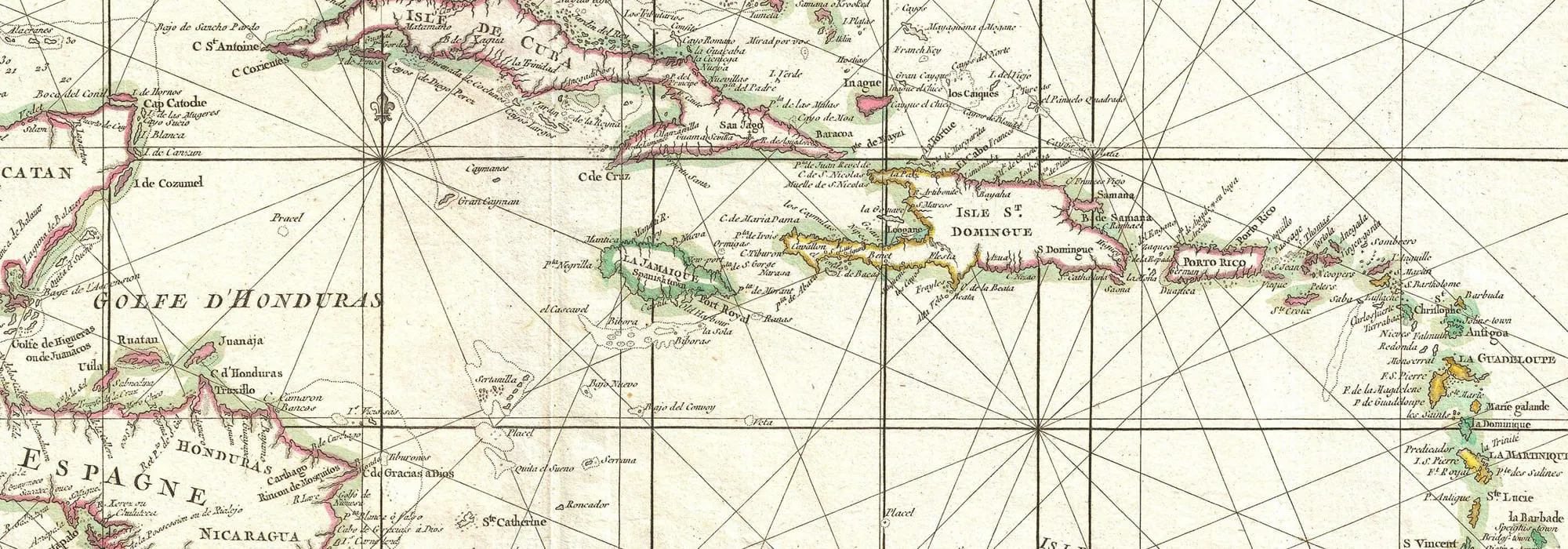
At the end of slavery, the political status of the Caribbean islands was very different. If Haiti had obtained its independence from France, the other islands would have remained colonies fully dependent on the European metropolis that owned them. They are often colonies ruled by European governments. The status of the inhabitants is not the same as compared to those living in the metropolis and inside the island.
In the French colonies
In the French colonies, the decree of abolition of slavery provided that slaves become full French citizens and enjoy all the rights guaranteed by the Constitution. Martinique, Guadeloupe (Désirade, Marie-Galante, les Saintes), Saint-Martin, and Saint-Barthélémy remain French colonies attached to France. The system that prevailed when the islands were French colonies is maintained. A governor who is, in fact, a colonial administrator is chosen to represent French power in the island. Its essential role was to promulgate, by decree, the laws and decrees of the metropolis which were to be applied in the colony. He has administrative powers in all areas, he exercises civil authority. On March 28, 1846, the former French colonies became French departments. A prefect replaces the colonial governor with reduced powers, as is the case in all metropolitan departments.
Since 2011, partial autonomy has been recognized in Martinique following a referendum. Martinique will have a single local authority instead of the Departmental Council and the Regional Council. It will have an economic, social, and environmental council. Guadeloupe rejected this project. The island, therefore, has a Departmental Council and a Regional Council. Saint-Barthélemy and Saint-Martin, which until then were municipalities attached to Guadeloupe, have become Territorial Collectivities. The two small islands have a Deliberative Assembly.
In the British colonies
The story will not be the same in the British colonies. The British Empire faced a wave of independence in its colonies around the world after World War II. On several occasions, the British Empire tried to set up a Federation of the British West Indies, but it appears difficult to succeed in uniting all the Caribbean islands of the British Empire. The inhabitants of the islands of the British Empire were subjects. Only local federations were created: the Federation of the Leeward Islands, which included Antigua, Barbuda, Montserrat, Saint Kitts, Nevis, Anguilla, and Dominica, and the Federation of Windward Islands, which included Dominica, Saint Lucia, Trinidad, Tobago, Grenada, Saint Vincent and the Grenadines.
Concerning the Leeward Islands, each island had a government after the colonization of the island, but in 1671, the English Crown decided to assign a chief government to manage its colonies of Saint Kitts, Nevis, Anguilla, Antigua, Barbuda, and Montserrat. The colony of the Leeward Islands was then founded. The island of Tortola in the British Virgin Islands was then annexed in 1672. However, there were many obstacles to overcome because on several occasions, the different islands refused this centralization of power (1683, 18th century). In 1816, the Federation of the Leeward Islands was dissolved into two distinct colonies, with Antigua, Barbuda, and Montserrat on the one hand and the British Virgin Islands, Saint Kitts, Nevis, and Anguilla on the other. The single colony was reformed in 1833. In 1871, Dominica and the British Virgin Islands were attached to this colony, which became a federal colony. In 1956, the federal colony was dissolved and became the Territory of the Leeward Islands. The British Virgin Islands are a separate colony. This provisional statute prepares for the formation of the Federation of the West Indies, of which the Territory of the Leeward Islands will be a province.
The history of the Federation of Windward Islands is more recent. Indeed, it dates back to 1833. It was initially called the colony of the British Windward Islands. It seals the arrival of a single governor in charge of the islands of Barbados, Grenada, Saint Vincent and the Grenadines, and Tobago, with the city of Bridgetown in Barbados as the location of the government. In 1838, Trinidad (acquired in 1814) and Saint Lucia (1802) were incorporated there. This unique colony is also unpopular. Trinidad left the colony in 1840. Barbados wished to retain its distinct identity and its assembly. Subsequently, many social and economic upheavals made the task of the Governor-in-Chief faced with a sling in Barbados, the easternmost island of the Caribbean arc.
In 1885, Barbados left the Federation to become an independent colony. Tobago left the Federation in 1899 to form the colony of Trinidad and Tobago with Trinidad. In 1940, Dominica joined the Windward Islands for the benefit of the Leeward Islands. In 1958, the Federation was dissolved when each island chose to join the Federation of the West Indies as a separate province.
The Federation of the West Indies will have a more limited lifespan (only 4 years). It included 24 major islands such as Jamaica, Turks and Caicos Islands, Barbados, Saint Lucia, Dominica, Grenada, Saint Vincent and the Grenadines, Montserrat, Saint Kitts and Nevis-Anguilla, Trinidad and Tobago, Cayman Islands, and Antigua and Barbuda.
The United Kingdom thus predicts that the Federation of the West Indies will soon become a single, fully independent state, similar in form to the Canadian Confederation, the Commonwealth of Australia, or the Central African Federation. This organization does not hold in particular because Jamaica, the largest island in the federation, feels aggrieved, and its wealth benefits the other islands more than its own population.
Jamaica leaves the Federation in 1961 and becomes independent on August 6, 1962. It is followed shortly after by Trinidad and Tobago, which became an independent state on August 31, 1962. After the departure of the two "big", economic difficulties are numerous, and Barbados, the new “capital”, cannot accept the burden of debt alone.
The Federation dissolved in London on May 31, 1962, and the islands became separate British colonies overseen by the United Kingdom. They will all gradually gain their independence. Note that all these islands have retained a link with the British Empire by being part of the Commonwealth. Queen Elizabeth II is the head of state of the various former British colonies, and the elected Prime Minister has executive powers.
Barbados, which obtained its independence in 1966, will become a Republic soon, according to the announcement of Sandra Mason, the Governor General, on September 15, 2020.
In the Spanish colonies
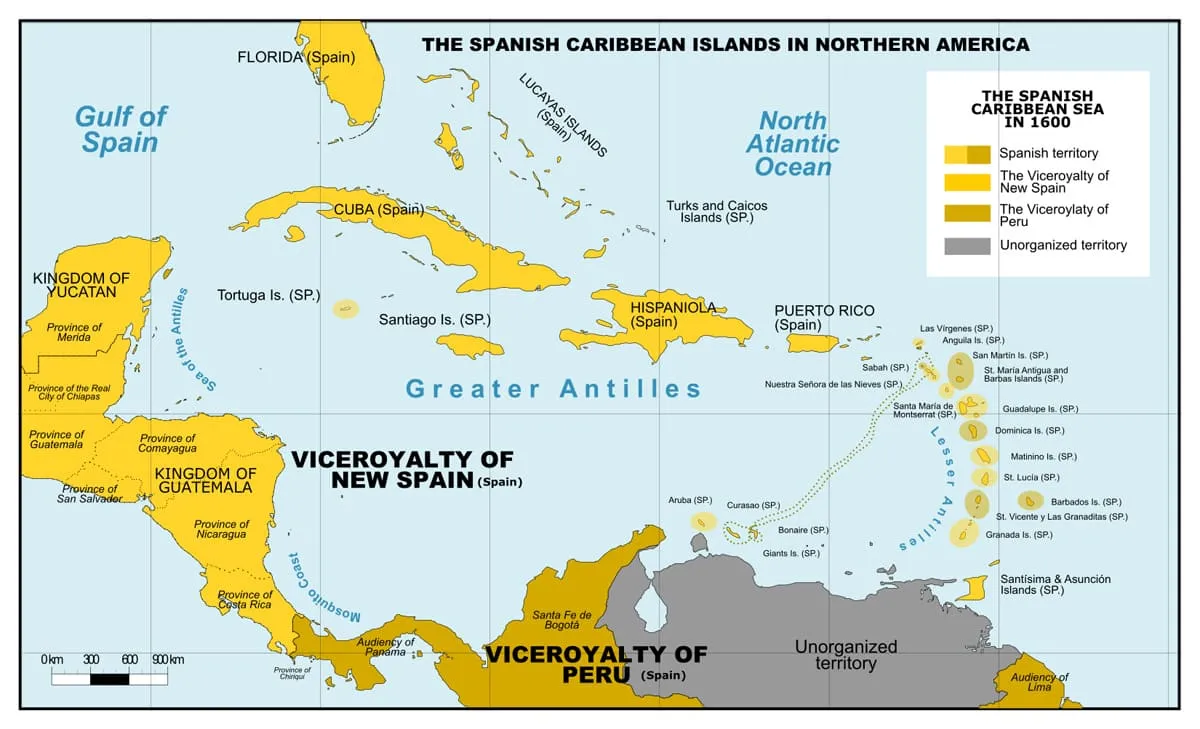
The Spanish colonies of the Antilles will be attached to the Viceroyalty of New Spain in America, founded in 1525. It brought together all the Hispanic colonies in America. Among them was the General Captaincy of Santo Domingo, created in 1535. It covered Puerto Rico, Santo Domingo, and Cuba. Subsequently, the Captain of Cuba was founded in 1664, and then the Captain of Puerto Rico in 1792. They will take their independence to be managed locally.
Dominican Republic
History varies from island to island. Santo Domingo experienced numerous political upheavals before gaining independence from Haiti in 1844. In 1861, the country was annexed by Spain due to strong pressure from Haiti, but a war broke out in 1863 to restore independence, which was officially recognized in 1865
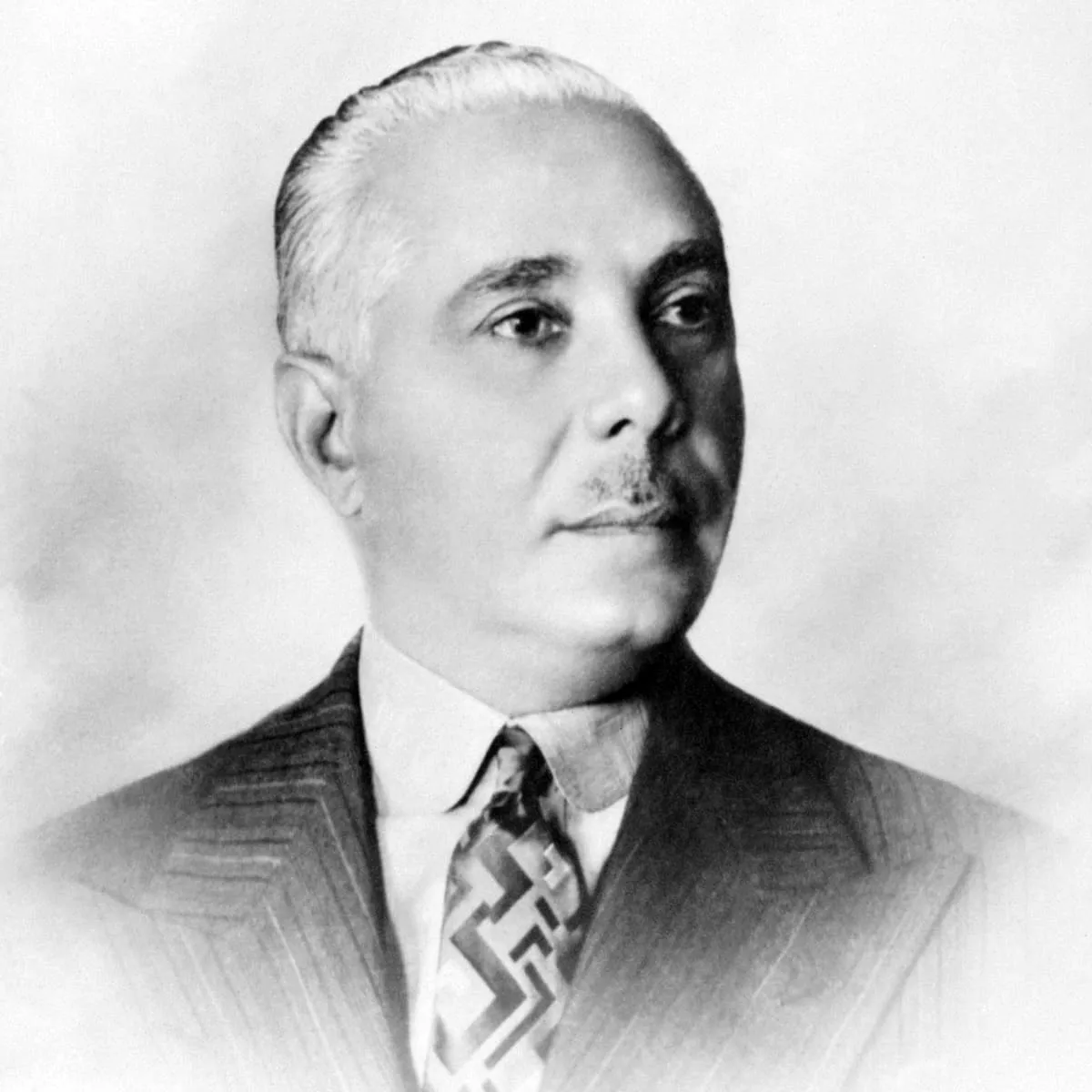
Facing economic difficulties, the United States established a protectorate over the country in 1906. This evolved into a military occupation that lasted until 1924, ending with the election victory of Horacio Vásquez. Starting in 1930, Rafael Trujillo, an ally of the Americans, rose to power as a dictator. The Dominican Republic faced U.S. sanctions, and Trujillo was assassinated on May 30, 1961.
The end of the dictatorship did not come immediately. After a brief triumvirate, authoritarian rule was reinstated on April 24, 1965. The United States intervened again until September 1966. Democracy was restored shortly afterward. Joaquín Antonio Balaguer Ricardo was elected in 1966, 1970, and 1974, but lost the elections in 1978. Antonio Guzmán was elected, and the transition of power occurred peacefully. Today, Luis Abinader is the President of the Dominican Republic, elected in August 2020.
Cuba
Just as Haiti gained its independence by taking up arms, Cuba will have to fight for its independence from Spain despite the contribution of American veterans alongside the Cuban insurgents. The Cuban people, however, obtained the Pact of Zanjón (February 10, 1878), which gave them a certain autonomy, the abolition of slavery in 1880 (applied in 1886), equal rights between Blacks and Whites in 1893, and the birth of political parties.
Later, US President William McKinley (1897-1901) decides to send a warship, the USS Maine, to Cuban waters in order to protect US interests. On February 15, 1898, Maine exploded in the port of Havana, and 250 sailors died instantly. According to the American government, it was the Spaniards who attacked their ship. They intervened in the war waged by the Cuban revolutionaries against the Spaniards at a time when the latter were close to victory.
The Treaty of Paris in 1899 will put an end to the conflict. They ceded Cuba, Puerto Rico, Guam, and the Philippines to the United States. For four years (1898-1902), the Americans occupied the island by installing an occupying military government. They granted Cuba its independence on May 20, 1902, and the Republic of Cuba was officially founded. The United States retains the naval bases of Guantanamo and Bahia Honda, a right of scrutiny and intervention in the event of constitutional collapse. The Americans left the island, also keeping a stranglehold on the island's economy. Cuba remained under American dependence until the Castro Revolution.
Several political upheavals would disrupt the island. In 1933, a revolution broke out, and Ramón Grau San Martín became president, and Fulgencio Batista, who had participated in the coup, succeeded him. He won elections considered rigged. Subsequently, in 1952, he led a coup and proclaimed himself President. His mandate was renewed in 1954 following rigged elections.
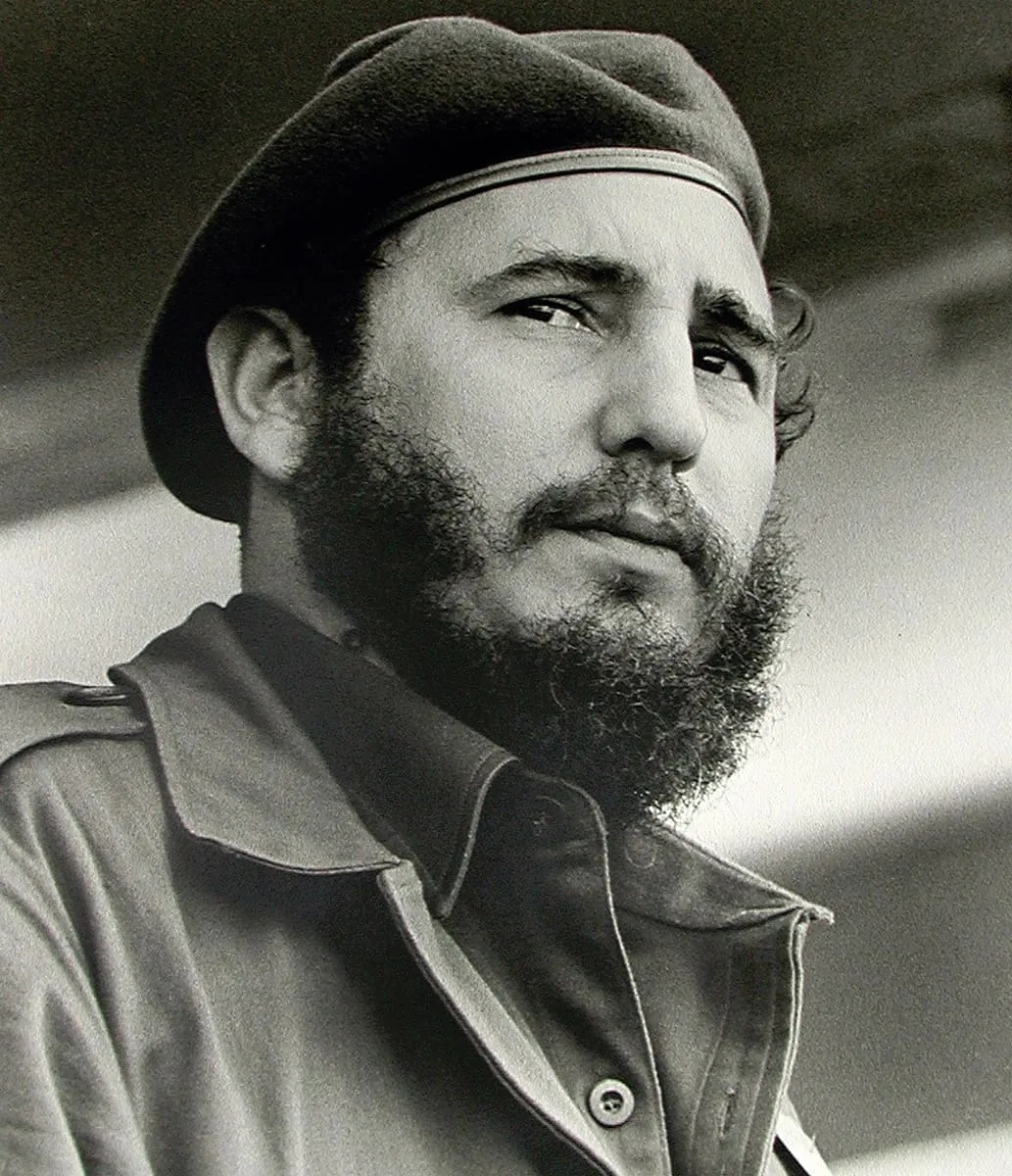
In 1959, Fidel Castro led a revolution and succeeded in ousting dictator Fulgencio Batista. The United States, which supported the latter, will put in place an embargo against Cuba following Castro's rapprochement with the Russians during the Cold War period. He retained power until 2006, when, ill, he had to resign himself to handing over power to his cousin Raúl Castro. The latter was elected in 2008. He undertook various reforms, including a rapprochement with the United States, materialized by the resumption of diplomatic relations between Cuba and the United States. On July 20, 2015, the United States and Cuba officially reopened their embassies in their respective countries.
Puerto Rico
As seen previously, Puerto Rico was ceded to the Americans by the Spaniards in 1899 during the Treaty of Paris. Unlike Cuba, Puerto Rico will remain under the tutelage of the United States. The island is currently considered the 51st state in the United States. This status, however, has faced strong opposition on a separate island between supporters of independence and full integration into the United States of America.