
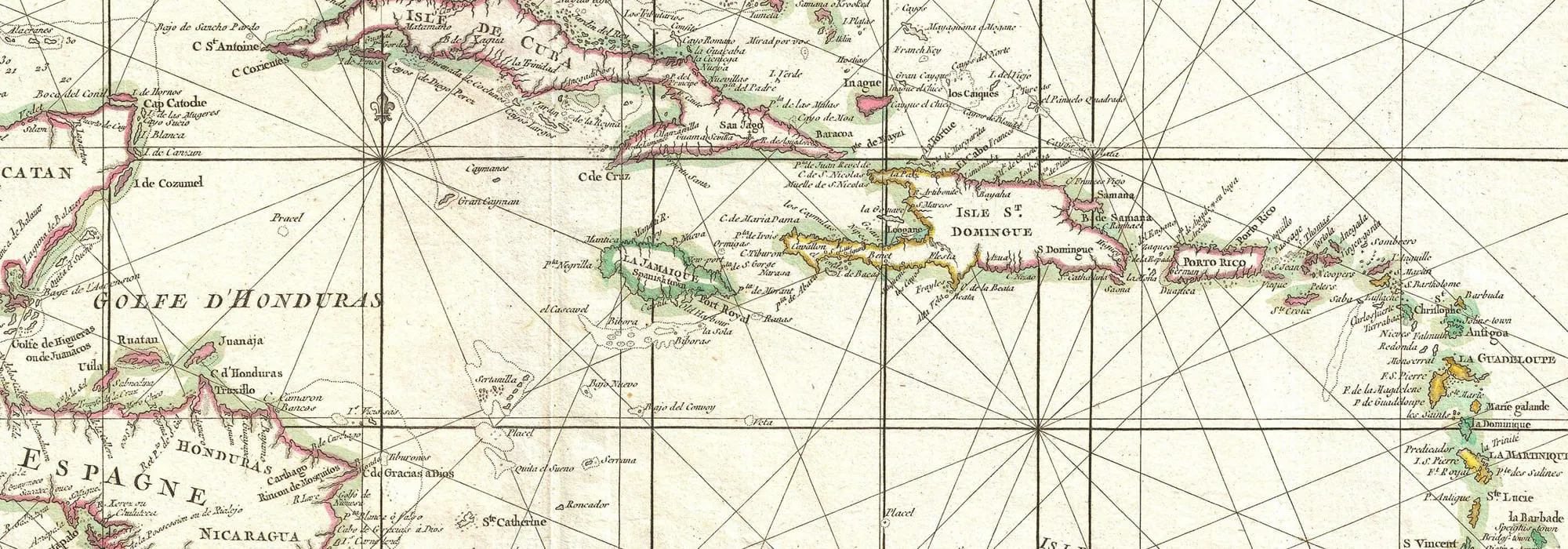
End of slavery and independence from European states
Abolition of slavery in the British colonies
Towards the end of the 17th century, Europe was going through a period of mutation and transition. Many voices are being raised in Europe to demand the end of the slave trade and the abolition of slavery. Thus, in 1807, the United Kingdom abandoned the slave trade, and in 1833, abolished slavery in all its colonies under the leadership of the Anti-Slavery Society. Founded in 1823, it aimed to abolish slavery in the British Empire. This objective was achieved in 1833. It was replaced by the British and Foreign anti-slavery Society, which would fight against all forms of slavery in the world.
Abolition of slavery in the French colonies
In France, part of the “Enlightenment” group, a group of French philosophers (Montesquieu, La Rochefoucauld, Rousseau, Lamartine) denounced French society, the privileges enjoyed by the bourgeoisie, and demanded an egalitarian society, a liberation of the oppressed, and a need to improve society. Their demands were aimed primarily at the Third Estate and not the abolition of slavery, as is often claimed. The only voices in France to oppose slavery in France are those of the movement called la société des Noirs (Black society). Under the impulsion of British Anti-slavery, the Society of Blacks would demand the abolition of the slave trade, the progressive abolition of slavery, and the education of blacks. This movement included figures such as Alphonse de Lamartine (photo below) and L’Abbé Grégoire. We can also cite two politicians, Victor Schœlcher and François Arago, who wrote the decree ending slavery.
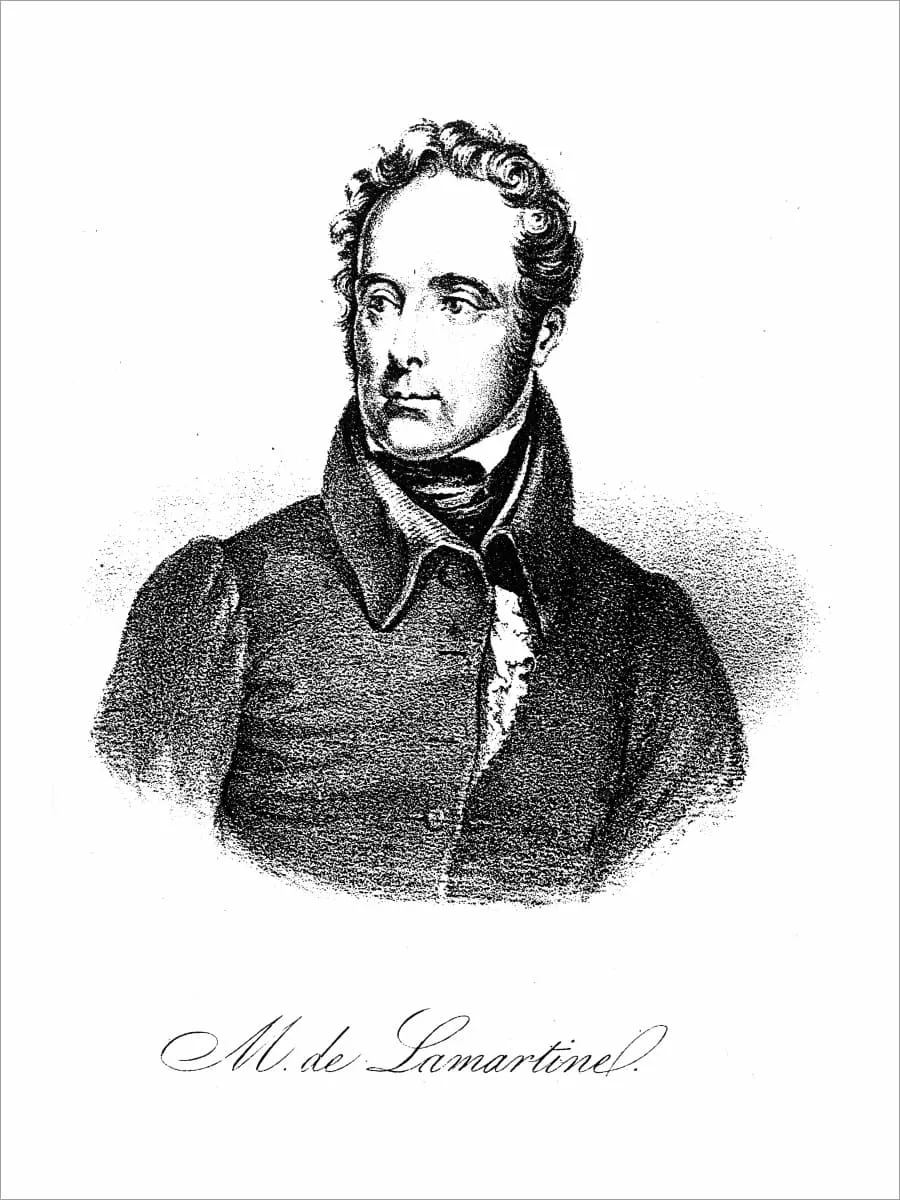
Alphonse de Lamartine (1790-1869) declared on April 23, 1835:
We say and slavery says with us: “No law can give man the property of man; for the law is only the sanction of justice; for no human conscience can legitimize slavery; for no one is obliged to ratify a law which deprives him of the rights given by nature”.
Henri Jean-Baptiste Grégoire, nicknamed Abbé Grégoire (1750-1831), a Catholic priest, an emblematic figure of the French Revolution, declared:
I call slave, not only the captain of a ship who steals, buys, chains, encases and sells black men, or mixed-blood, who even throws them into the sea to make the body of crime disappear, but also any individual who by a direct or indirect cooperation, is complicit in these crimes.
Victor Schœlcher and François Arago were French politicians.
François Arago (1786-1853) became Minister of War, Navy and Colonies in the Provisional Government of the Second Republic set up by Lamartine. He contributed to the abolition of slavery in the French colonies.
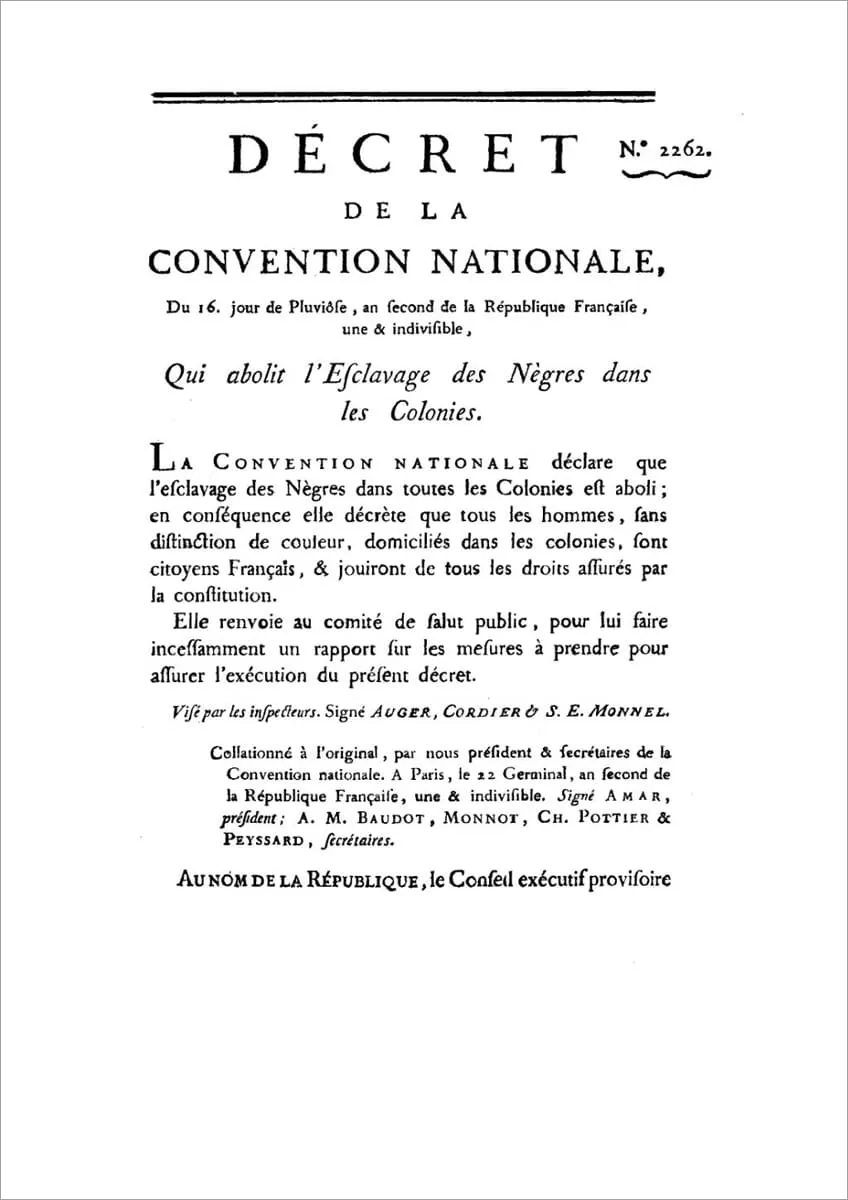
Victor Schœlcher (1804-1893) was a French politician. He is the man who drafted the decree for the abolition of slavery in the French colonies. He was appointed Under Secretary of State for the Navy and Colonies in the Provisional Government by Minister François Arago. He will later be Deputy for Martinique. The decree was signed by all members of the government in 1848. It foresaw the abolition of slavery in all the colonies two months after the date of the decree (i.e., in June 1848), but the slave revolts in the various islands sped up the implementation of the text. Schoelcher's decree also provided for compensation for slave owners.
Abolition of slavery in the Dutch colonies
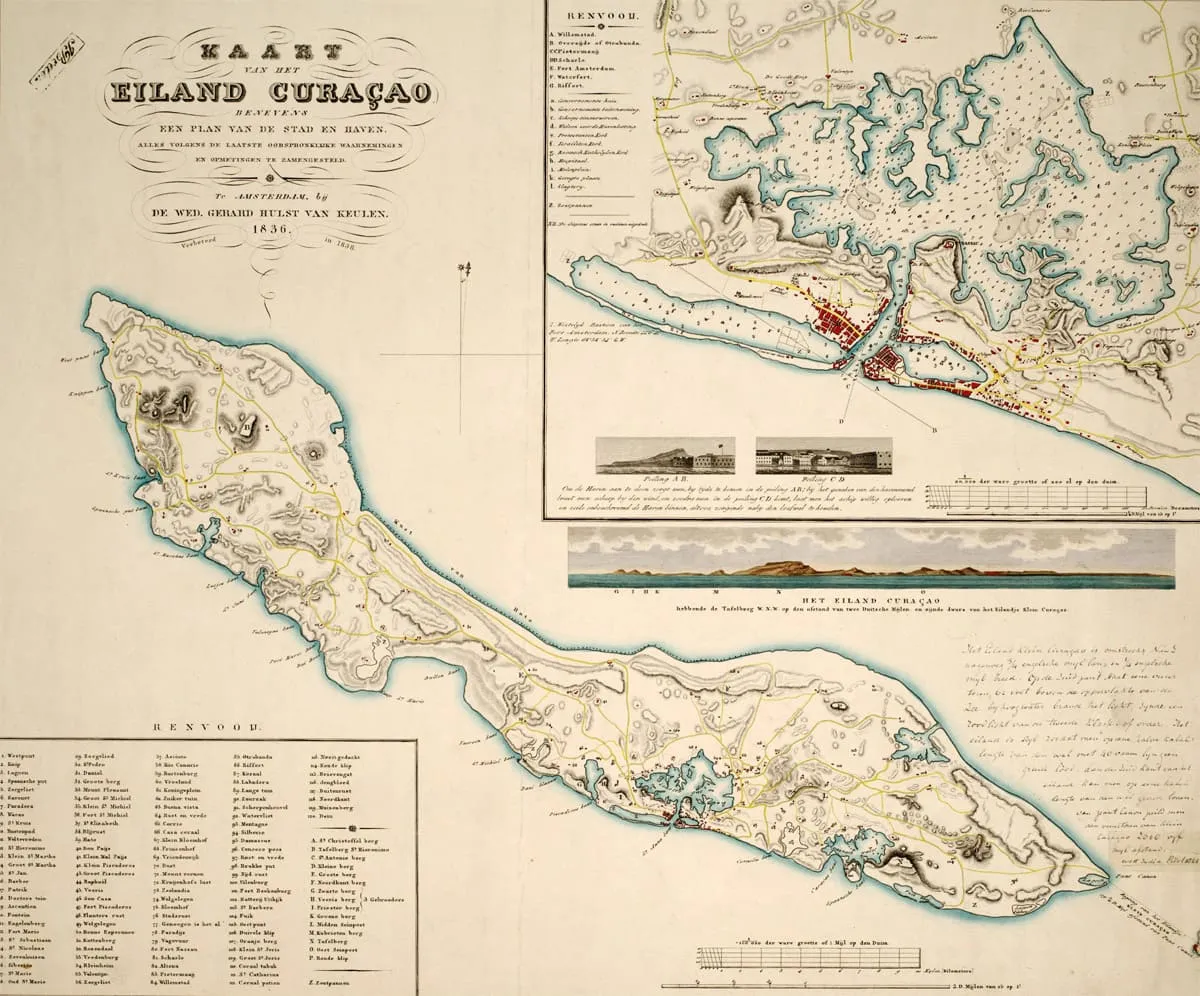
The abolition of slavery in the Dutch colonies of the Caribbean and America (Curaçao, Sint Eustatius, Surinam, Saint Martin, Aruba) will be decreed in a pro-abolitionist movement in Europe. Indeed, after the abolitions in the English colonies in 1833 and the French in 1848, pressure in Europe was strong to abolish slavery in the Dutch colonies. At the time of the abolition, in the four Dutch colonies Aruba, Bonaire, Curaçao, Saba, and Sint Eustatius of the Caribbean, 8,000 slaves lived on these islands. Be careful, however, as the cessation of slavery will not be total until ten years later. A period of “learning” had been put in place to adapt to the new model.
As in the French Antilles, the slave owners of the Dutch colonies will be compensated to make up for the loss caused by this measure.
The consequences of the abolition of slavery will be economically disastrous for Curaçao, which will experience a major economic crisis. The island will experience many exiles to other islands in the Antilles.
Abolition of slavery in the Spanish colonies
Unlike the other English, French, and Dutch colonial empires, the abolition of slavery in the Spanish colonies was made State by State. So if slavery was abolished in the Dominican Republic in 1844, it would be necessary to wait until 1873 in Puerto Rico and 1886 for Cuba.
Dominican Republic
The abolition of slavery in the Dominican Republic will be much slower because the island is in the midst of political upheaval. Few slaves lived on the island, and they could redeem their freedom for the modest sum of 300 pesos. The eastern part of Saint-Domingue, which belonged to France, had abolished slavery since 1804 following the war of independence with France. The French fled to the Spanish part of the island in 1804. General Jean-Louis Ferrand, faced with the massive departure of the Spaniards from 1795, who were generally cattle breeders, decided to set up large plantations with French masters. He authorizes the latter to go and capture Blacks in the western part. Dessalines starts a punitive expedition against them.
Taking advantage of the presence of a Spanish ship in Samana, to wrote and asked Governor Montes for help. The French were defeated by Hispanic-Creole troops at the Battle of Palo Hincado on November 7, 1808. The French surrendered on July 8, 1809. The country returned to the authority of Spain, but the ruined island was no longer of interest. Spain, which will exercise only moderate power.
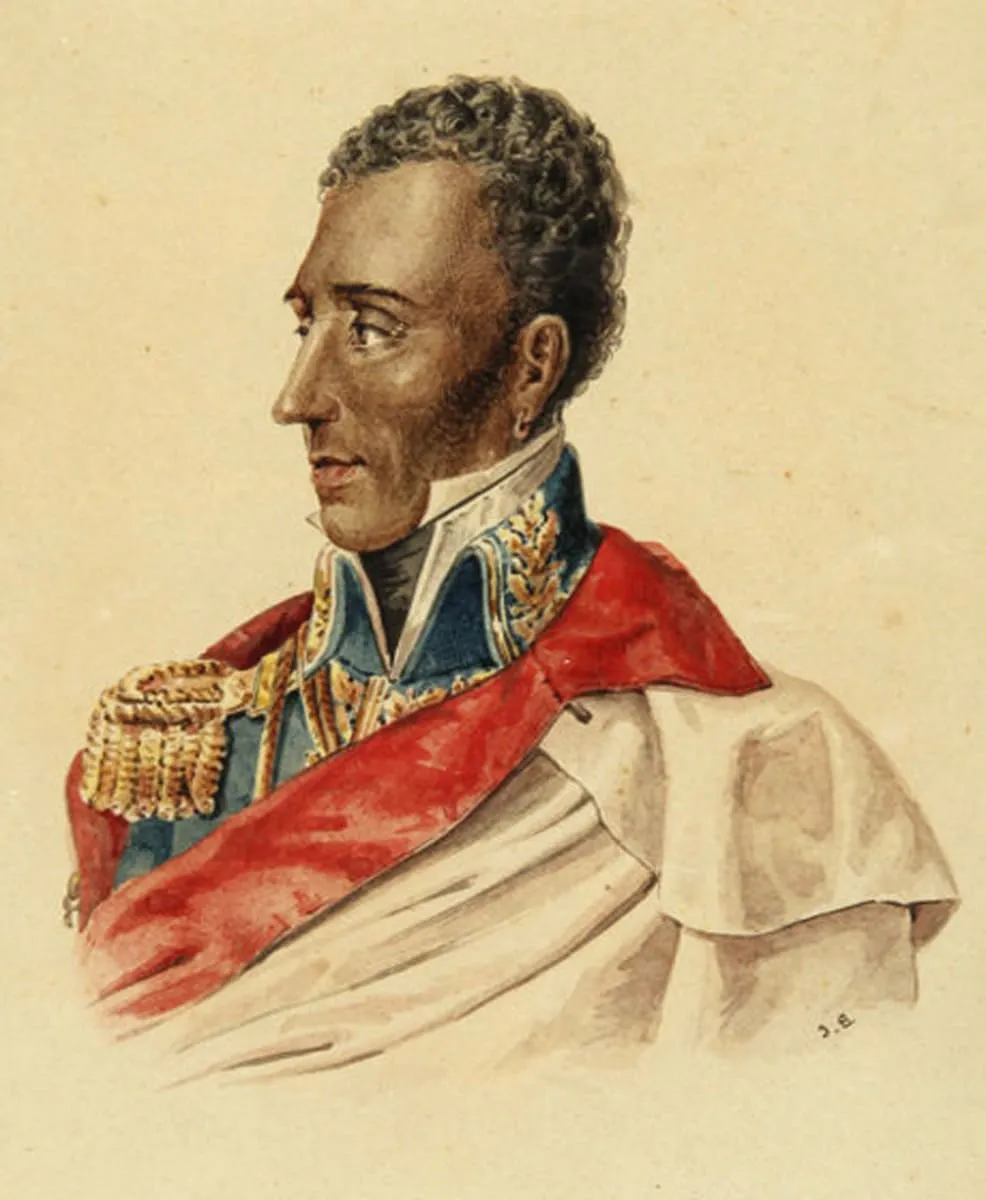
Under the impetus of the liberation movement in the Spanish colonies in America, the population rose up and proclaimed its independence on December 1, 1821. Haitian President Jean Pierre Boyer invaded the island just nine weeks after independence from screw from Spain. For 22 years, the Dominican Republic will be a Haitian colony. It was following the independence of the Dominican Republic in 1844 that slavery was abolished.
Cuba
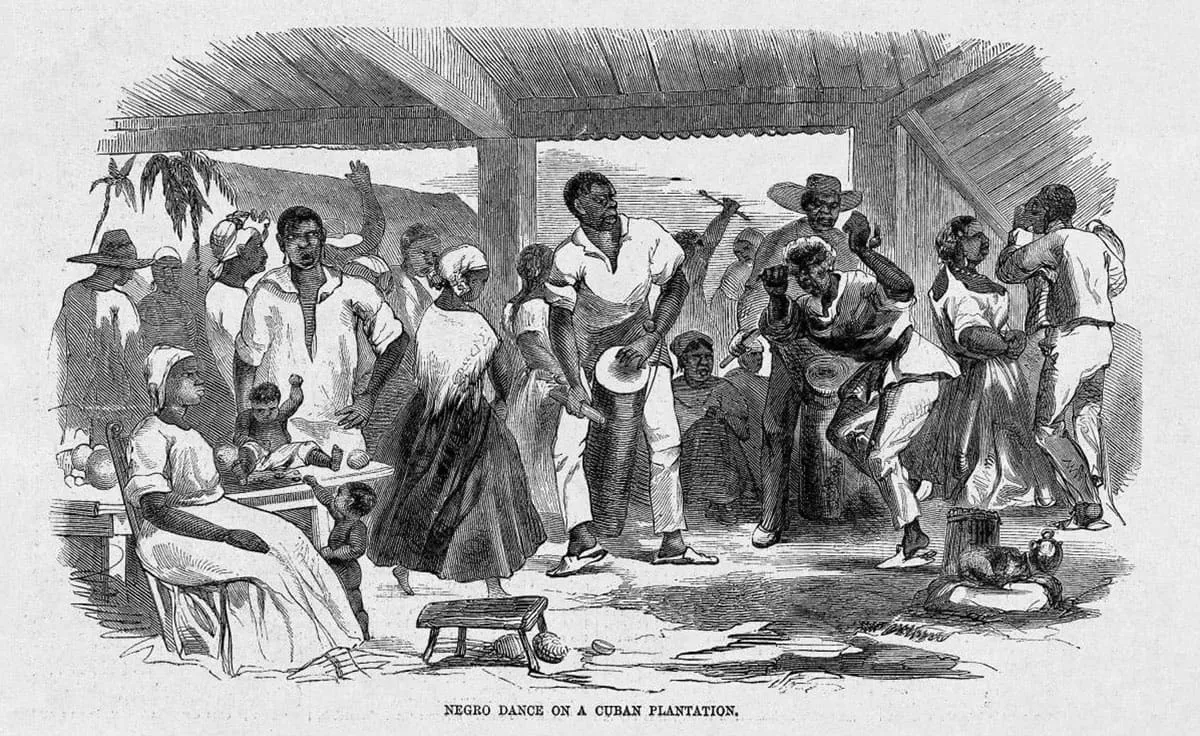
Cuba will be the island which will have known slavery the longest, from 1511 to 1886. It is also one of the islands which will have known the longest period of authorized and clandestine slave trade. The big sugar factories deported more slaves after the ban on the slave trade than before. They also set up a system of "breeding" slaves. But the slaves will compete with the Spanish peasants (peons) and the arrival of Irishmen who came to work in the English railways around 1840.
The landowners also seized the Mayan Indians of Yucatan, the “Turks” who were truly Egyptians and Syrians, the Chinese (150,000 between 1847 and 1874 who came from Macao and Canton under a forced wage contract), and the Coolie Indians. All were brought to work in the fields alongside the slaves.
Puerto Rico
In Puerto Rico, which was at the time a Spanish colony, slavery was abolished on March 22, 1873, by the Spanish National Assembly. The island that rose against Spanish rule on September 23, 1868, during the revolt called "El Grito de Lares" had declared the Republic of Puerto Rico.
But this independence was ephemeral due to various problems (logistical failures, indiscretions putting the Spanish authorities on the alert, and non-supply of weapons). But this revolt had considerable effects insofar as it helped to put in place fundamental reforms such as the abolition of slavery for the over 60s and people born after September 17, 1868 then the abolition for all on March 22, 1873, with clauses.