
Colonization and slavery
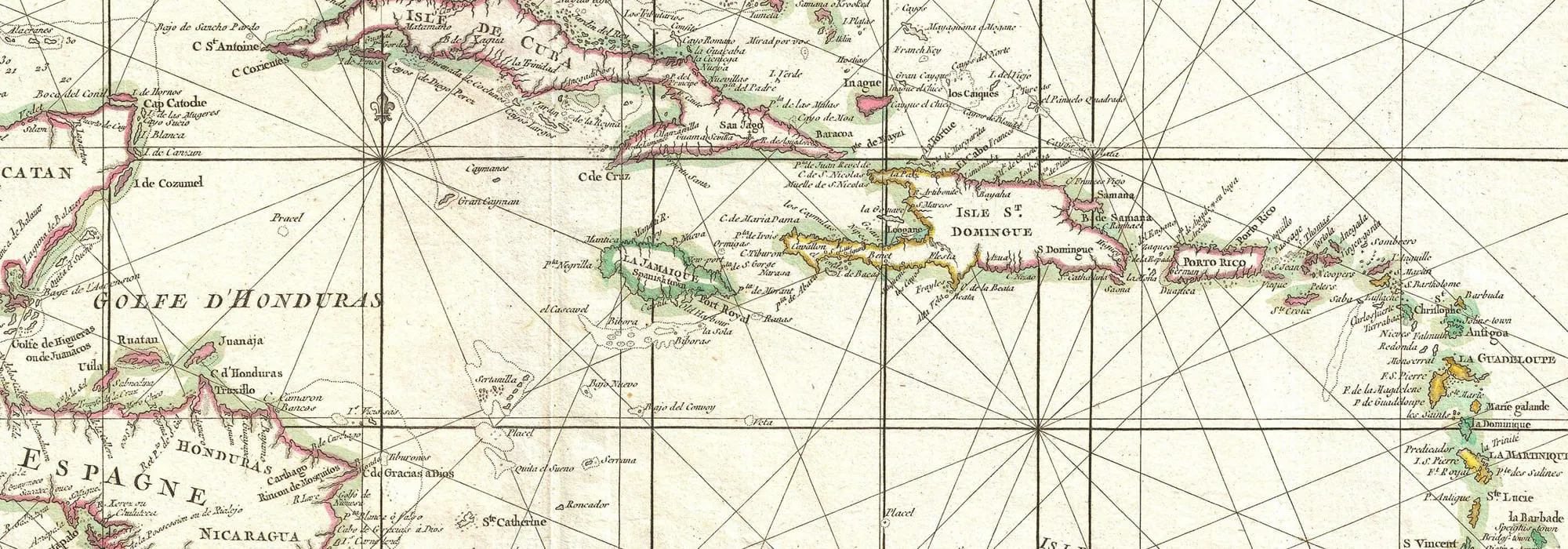
The exploitation of the soils of these small, fertile islands is seen as a pledge of wealth in the trade of products such as coffee, cocoa, cane sugar, and rum.
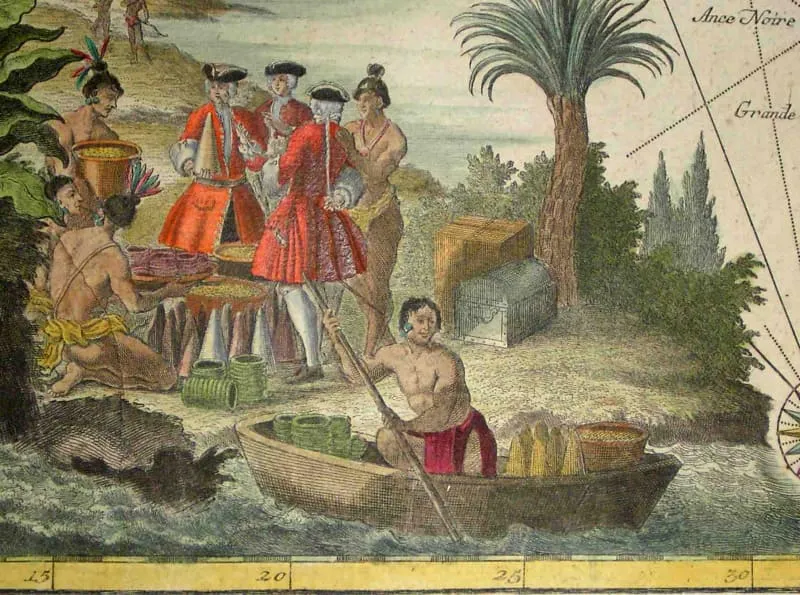
Once they arrived in the islands, intending to conquer the territory and establish export cultures, the settlers had to face tough opposition from the Caribbean. Although they had obsolete weapons compared to the Europeans, they faced them, and this gave rise to fierce battles that claimed many victims on both sides. In addition, adaptation to the climate, the environment, and to food that is completely different from that which they consumed in their homelands makes it more difficult for Europeans to fully appropriate the territory and settle there.
In order to exploit the land, the British, Spanish, Dutch, and French monarchies first thought of enslaving the Caribbean and Arawaks living in the islands. But this solution is not easy. The Caribbean refuses to comply and offers fierce resistance, even preferring suicide to being a slave to the enemy. Gradually, the Caribbeans are being exterminated from the various islands. Another solution is to offer fixed-term contracts to people who have come from Europe to work the land. But this solution is temporary and too expensive to derive maximum benefit from it.
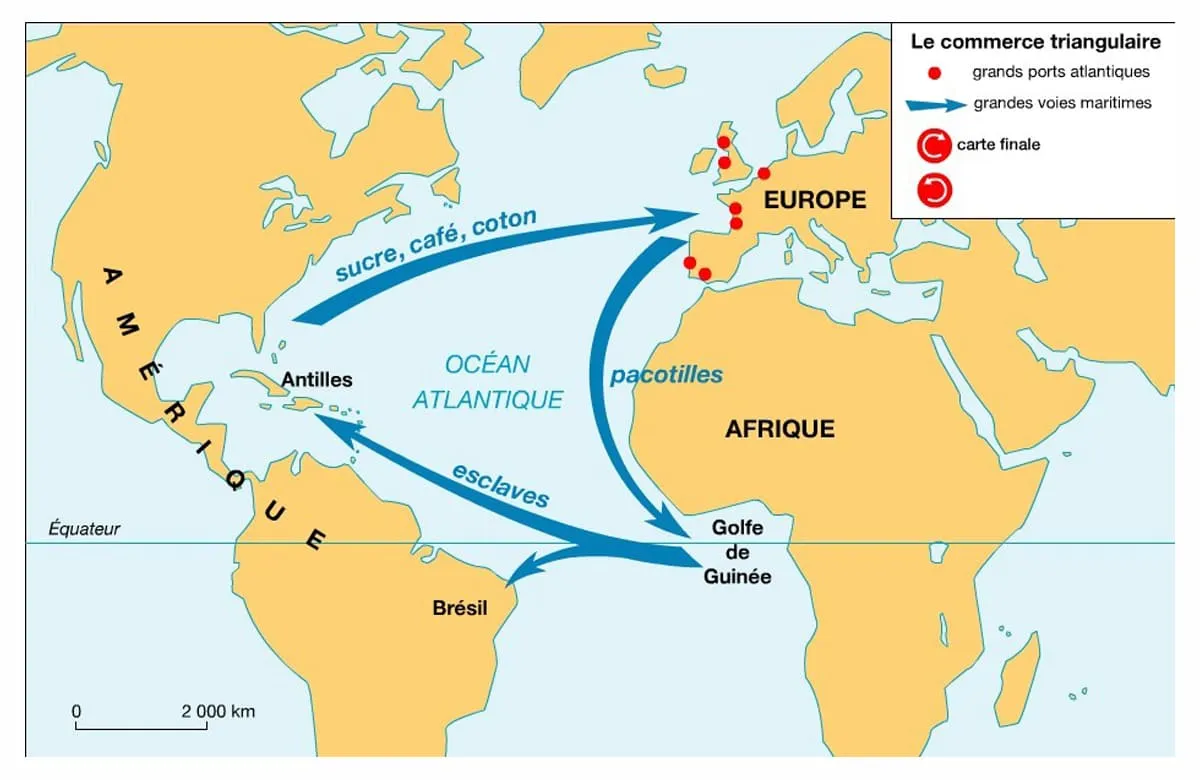
The last will be the most profitable. Bring in from Africa men already roaming the tropical climate who would be slaves and would work without any compensation. This is how the triangular slavery trade will take place. For more than three centuries, nearly 9 million (according to Patrick Manning, American historian) of men, women, and children from Africa were enslaved in the fields of tobacco, coffee, cocoa, sugar cane, and bananas. The number of victims would, however, be nearly 112 million men (dead before the sale in the barracons where they were parked in the port, during transport, dead in the fields, etc.).
The voyages started from European ports where the Europeans embarked junk, which they sold in Africa in exchange for slaves. In exchange, they brought back men of solid constitution who would be able to work in the fields to manufacture agricultural products intended for the European market. Once they arrived in the different islands, the slaves were sold to the planters and were then given a task in the fields. Two types of slaves existed: “field slaves” and “house slaves”.
The first worked for continuous hours, whatever the climatic conditions in the fields. They took care of the harvest of products destined for export to Europe. The "house slaves" were generally women. Close to the wives of the masters, they had to get down to the maintenance of the main house, the education, and the care of the children. Slavery was governed in all the colonies by a body of law called the Code Noir.
In case of rebellion, they were severely punished. Public humiliations such as whippings on naked bodies and in public were legion. We will deal with two slave revolts here: That of the Baptist War in Jamaica and that of the Haitian Revolution in 1802, which led to the island's independence.
The Jamaican Baptist War of 1830
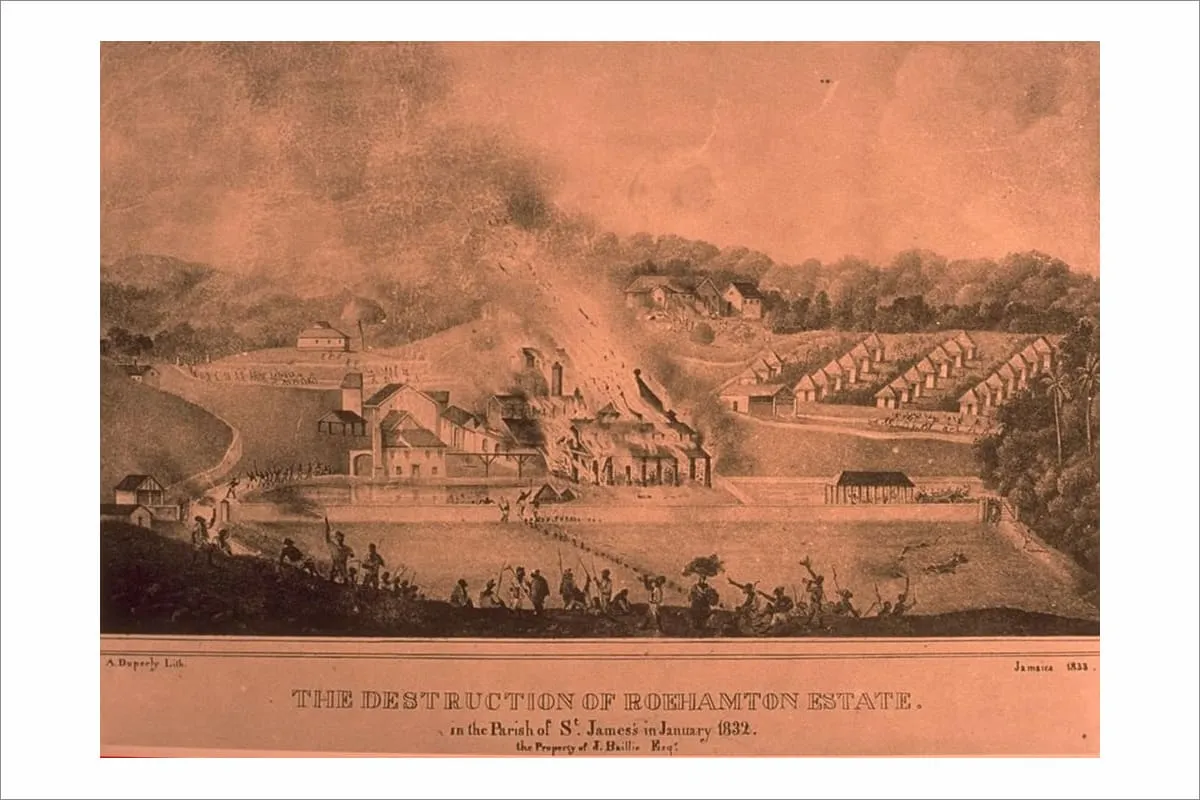
Started with a peaceful protest, the "Jamaican Baptist War", known as the strongest slave revolt in the British Caribbean colonies, ended with a bloody uprising and the deaths of over 600 slaves. Inspired by the abolitionist movements in Britain, on Christmas Day 1831, 60,000 of 300,000 (according to the numbers) Jamaican slaves went on a general strike. Under the direction of a Baptist and slave pastor named Samuel Sharpe, the slaves swore not to return to work until they had received basic freedoms and a living wage.
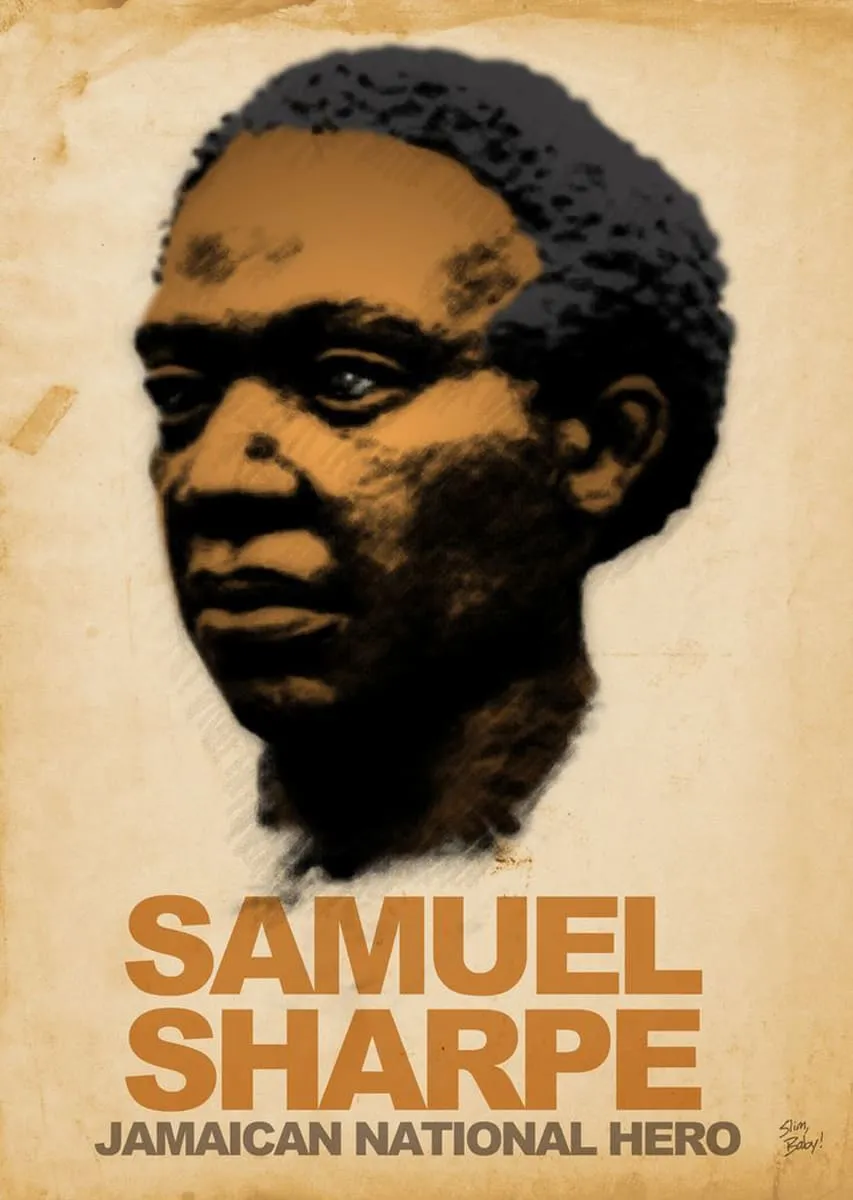
As rumors spread that British settlers plan to use force to end the strike, the protest turns into an open rebellion. In what became the largest slave revolt in British West Indies history, slaves burned and looted plantations for several days, causing nearly $ 1.1 million in damages. The human toll is much more severe. By the time the mobilized British colonial army interposed in the revolt, up to 300 slaves and 14 Whites had been killed. 300 other slaves, including the leader, Sharpe, were subsequently hanged for their involvement in the uprising. Although tensions subsided, the effects of the Baptist War were eventually felt across the Atlantic. A year later, the British Parliament would once and for all abolish slavery in the British Empire.
The Haitian War of Independence in 1802
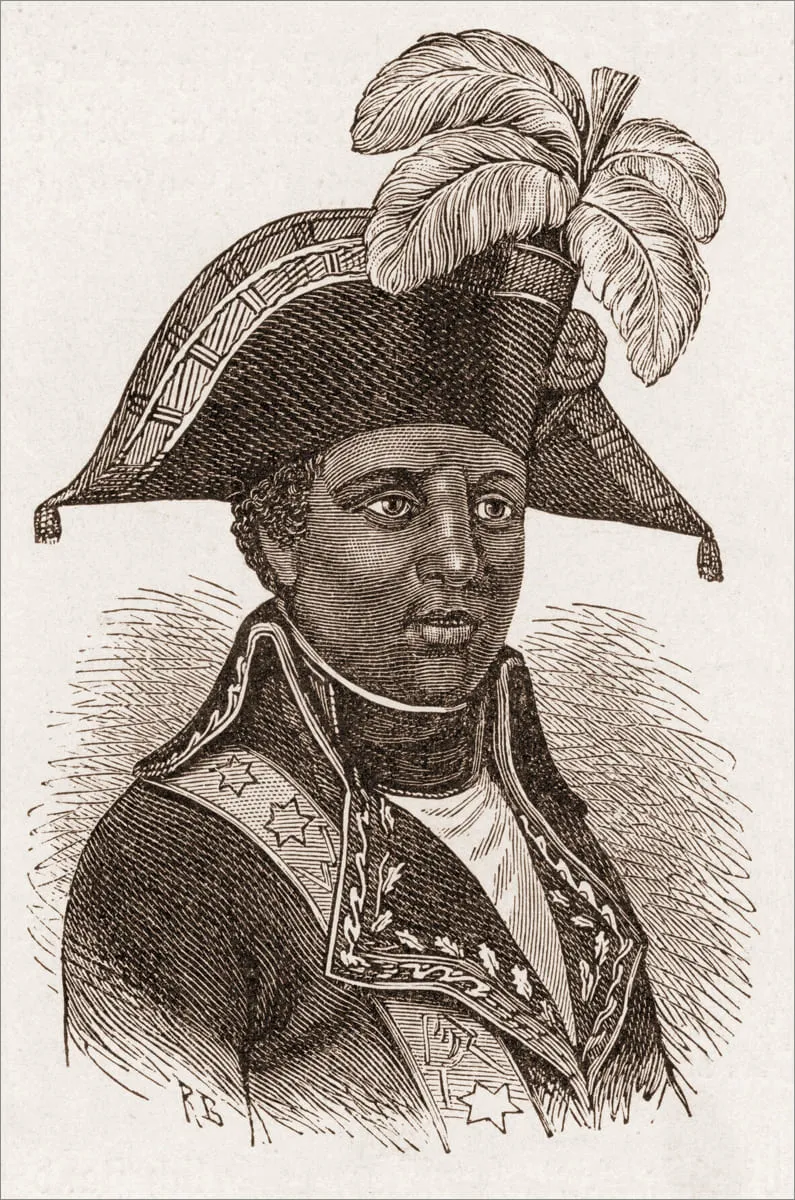
The most successful slave revolt in history, the Haitian Revolution began with a slave revolt and ended with the creation of an independent state. The main insurrection began in 1791 in the precious French colony of Saint-Domingue. Precious because at the time, Santo Domingo was the "gold mine" of the French colonial empire as the world's leading producer of sugar (more than all the English colonies combined!). Inspired in part by the egalitarian philosophy of the French Revolution and the ideas of the Enlightenment (Les Lumières), Black slaves launched an organized rebellion, killing thousands of Whites and burning sugar plantations on their way to take control of the northern regions of Santo Domingo.
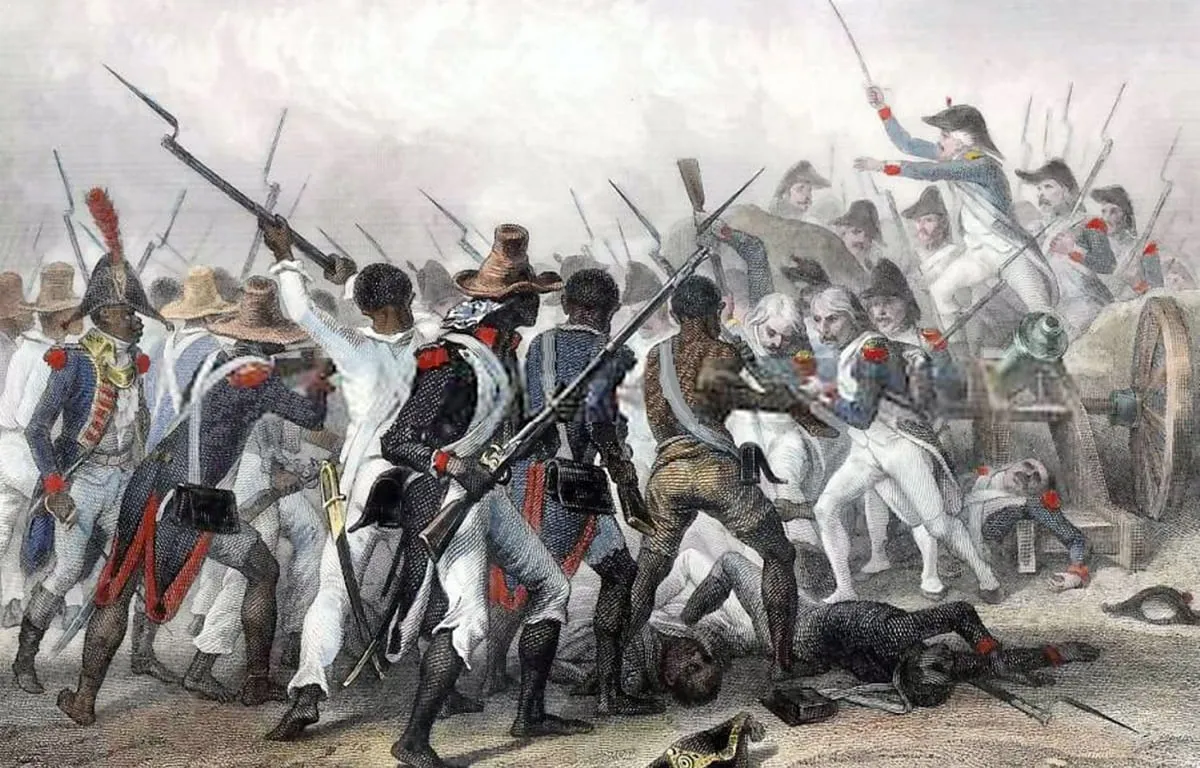
The unrest will continue until February 1794, when the French government officially abolishes slavery in all its territories. The famous rebel general Toussaint Louverture (Image above) then joined the French forces with the Republicans and, in 1801, had established himself as governor of the island. But when Napoleon Bonaparte's imperial forces captured Louverture in 1802 and attempted to reestablish slavery, the former slaves again took up arms. Led by Jean-Jacques Dessalines, in 1803, they defeated the French forces at the Battle of Vertières (see opposite illustration).
The following year, the former slaves declared their independence and established the island as the new republic of Haiti. It was the first successful rebellion, the only slave revolt in history, which, in the end, inspired the founding of a new country and continued to inspire countless other revolts across the United States and the Caribbean.