
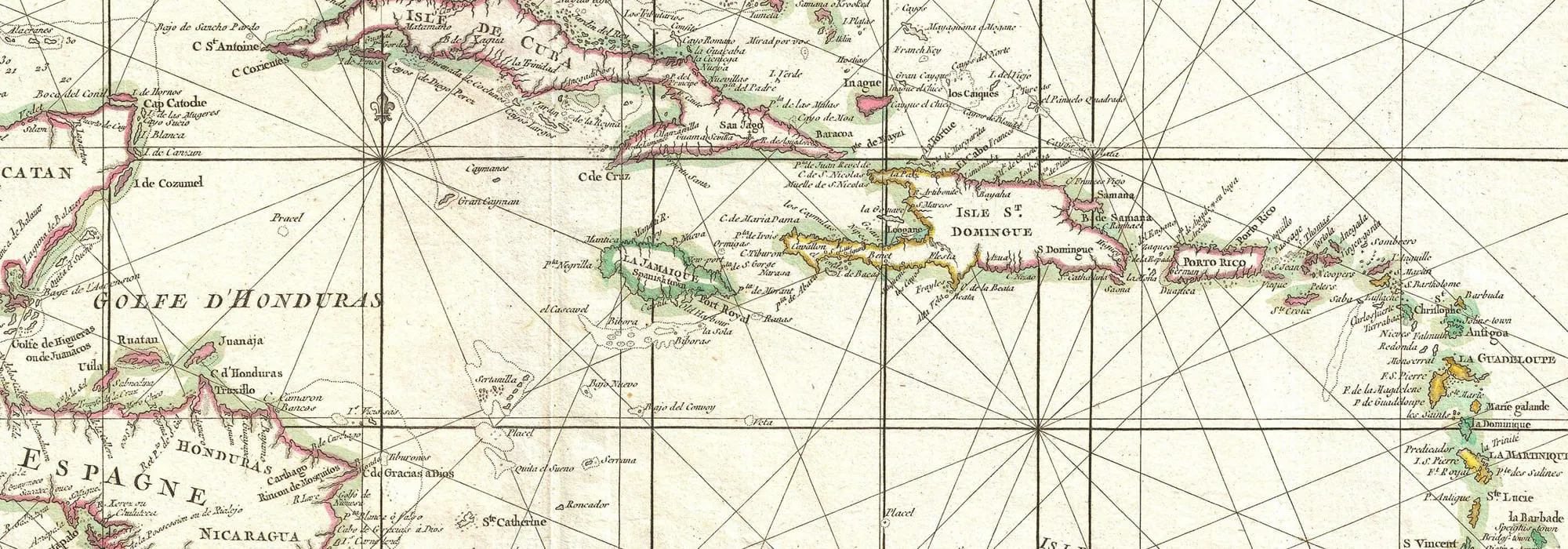
The Caribbean from Christopher Columbus to slavery
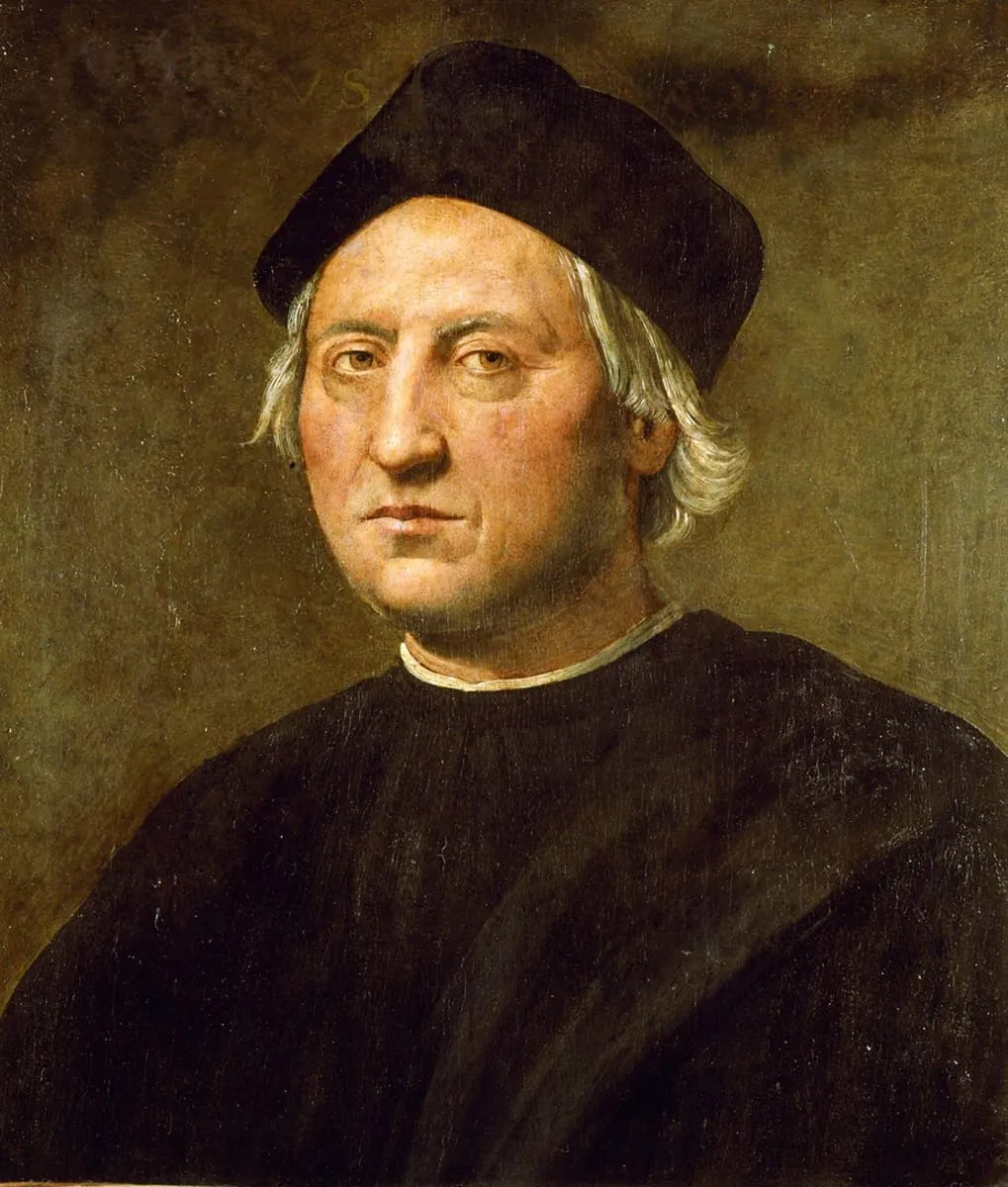
The sometimes-maligned voyages of Christopher Columbus, however, were the basis for exploring the "New World". With the fall of Constantinople in Europe in 1453, the previous spice routes from the east, where traders could safely reach, were closed. This hindrance to the spice trade increases the desire to explore the West and open up new avenues that can re-establish the spice trade. This was Christopher Columbus’s main motivation for his historic journeys. He called the various islands he landed on the "Indies" because he believed he had found a passage to Asia and maintained this idea until he died in 1506.
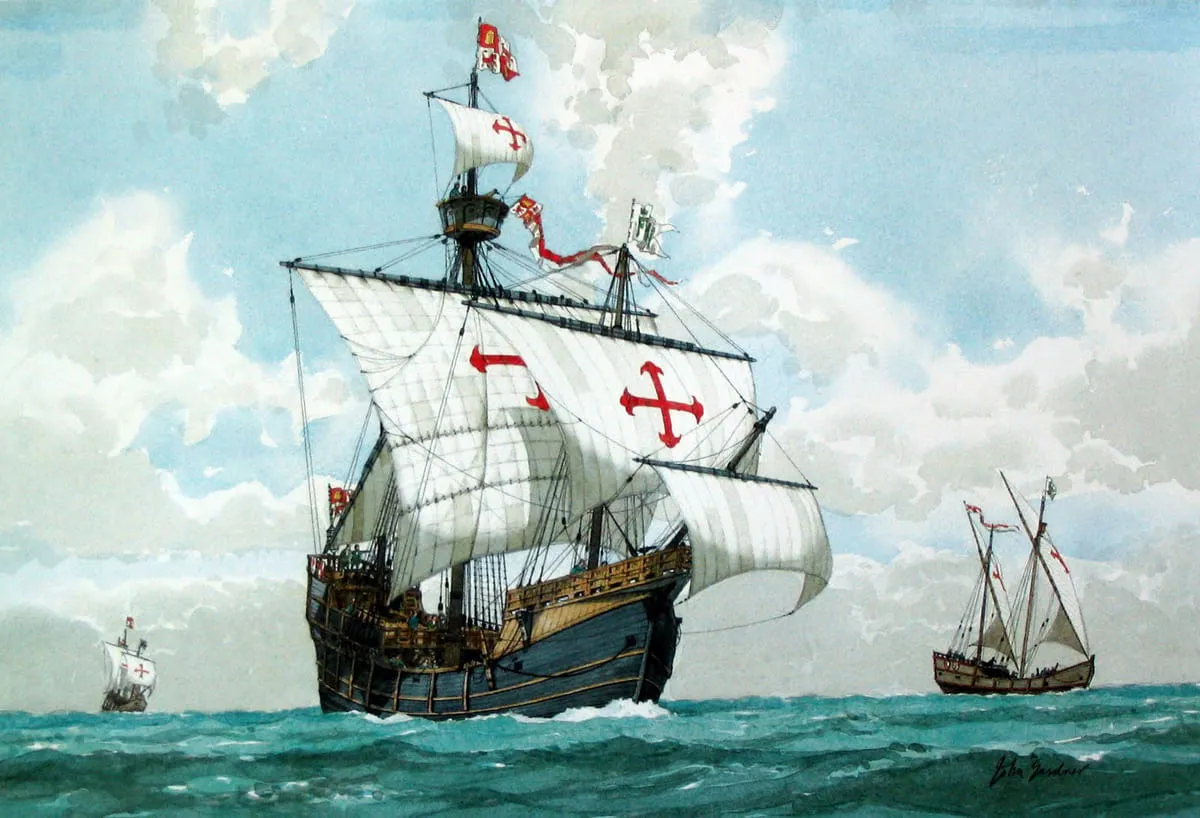
For his maiden voyage, Columbus is soliciting funds from the major crowns of Europe until King Ferdinand of Aragon and Queen Isabella agree to sponsor his trips to the western world. In 1492, on his three ships also called caravels, La Niña, La Pinta and Santa Maria, he left the city of Palos in Spain with his crew.
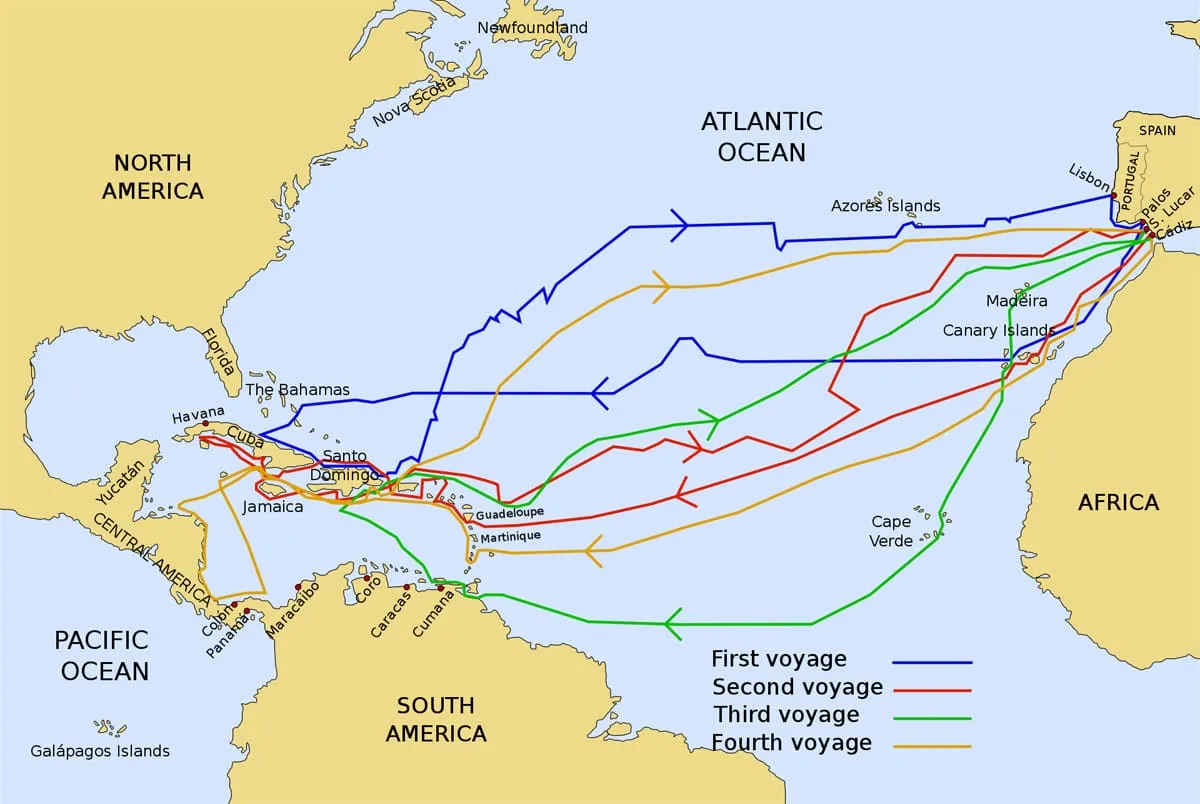
He saw a land for the first time on October 12, 1492. He named this island of the Bahamas San Salvador, formerly called Guaharani. He would have eventually touched Cuba before smashing his Santa Maria against the coast of the island of Hispaniola (today's island with two countries: the Dominican Republic and Haiti). He left the 38 crew members of the Santa Maria on the island and returned to Spain, where he announced that he had reached Asia. In 1498, he made his way to Trinidad and then returned to the tumultuous island of Hispaniola, where he had to deal with the rebels living on the island. He refused to return to the island of Hispaniola and later discovered the gold chests of Central America on his fourth and final voyage. This voyage ended with the shipwreck of Christopher Columbus on the coast of Jamaica.
Summary table of the Voyages of Columbus and other European explorers
1492: Columbus sees an island in the archipelago of the Bahamas, which he joins and baptizes San Salvador
1492: Christopher Columbus discovers another large island he calls Hispaniola
1492: Discovery by Christopher Columbus
- Cuba,
- Grenada
1493: Discovery by Christopher Columbus
- Anguilla,
- Antigua and Barbuda,
- Dominica,
- Guadeloupe (Marie Galante, Desirade and Saintes),
- British Virgin Islands,
- US Virgin Islands,
- Porto Rico,
- Montserrat,
- Saba,
- Saint Barthelemy,
- Saint Martin,
- Sint Eustatius,
- Saint Kitts and Nevis
1494: Discovery of Jamaica by Christopher Columbus
1498: Discovery of Trinidad and Tobago
1499: Discovery of Saint Lucia by Juan de la Cosa (?)
1499: Discovery by Alonso de Ojeda
- Martinique by Alonso de Ojeda (?),
- Aruba by Alonso de Ojeda,
- Curacao by Alonso de Ojeda
1499: Discovery of Bonaire by Alonso de Ojeda and Amerigo Vespucci
1502: Discovery by Christopher Columbus
- Martinique,
- Saint Lucia,
- Saint Vincent and the Grenadines
1503: Discovery of the Cayman Islands by Christopher Columbus
1512: Discovery of the Turks and Caicos Islands by Juan Ponce de León
1536: Discovery of Barbados by Pedro a Campos, who was on his way to Brazil
After the discovery of the islands, the Europeans embarked on a mad race to acquire as much territory as possible. There are so many wars that some islands will change "owners" more than twenty times!