
Conclusion
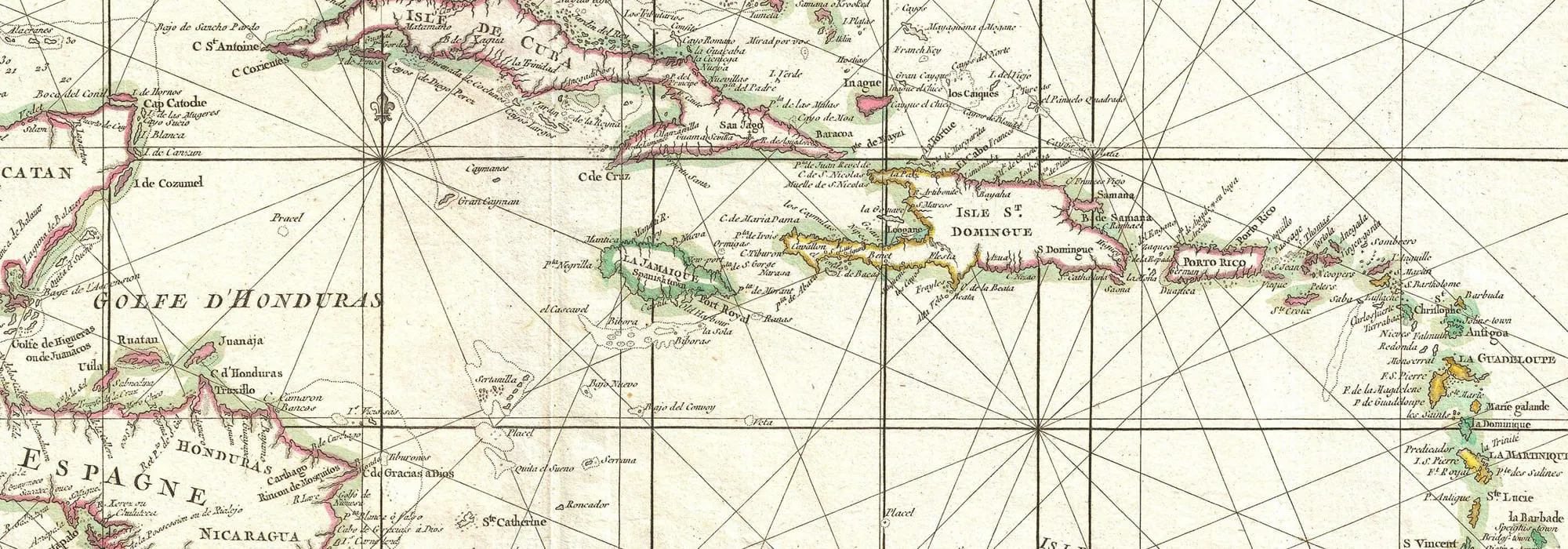
As we can see, the islands of the Caribbean archipelago have a lot in common, especially their history, where they experienced the same phases of settlement, the Arawaks and the Caribbean, then the Europeans, who brought slaves from Africa to work in the plantations. and then migrant workers from Asia to amplify the agricultural workforce.
The result is that the Caribbean population on any island is a melting pot of diverse origins and cultures. From European immigration, the Caribbean islands have inherited a language that groups them into different blocks: the English, Spanish, French, and Dutch blocks. From all these mixed origins came local languages, Creole or patois, specific to each island.
Today, despite these differences and in the face of the various major global economic zones, it is becoming increasingly important to build stronger economic relations and cooperation despite the differences in culture and languages. Insularity and small populations mean that these islands cannot hope for global influence alone. The Caribbean Community, known under the name of CARICOM (Caribbean Community), was created in 1973, but the different statutes of the islands sometimes still dependent on European powers, do not allow full collaboration among all.