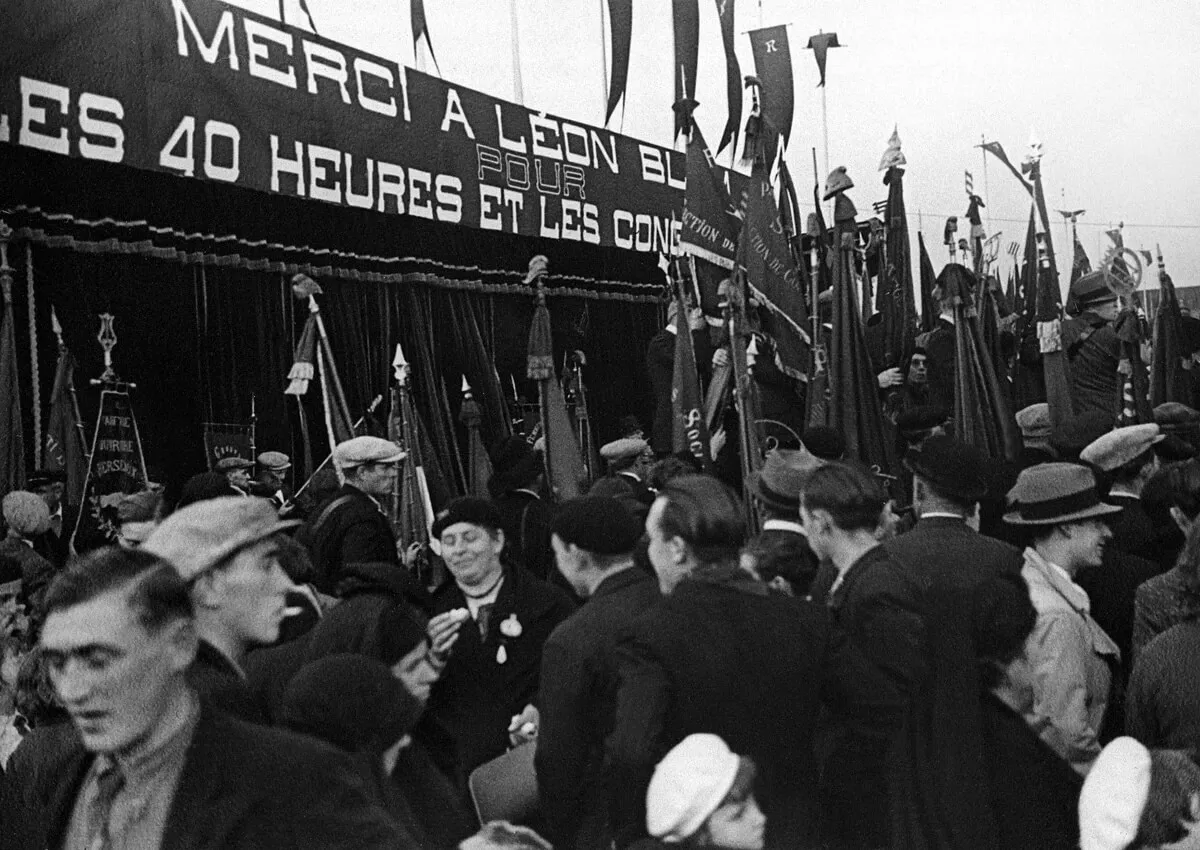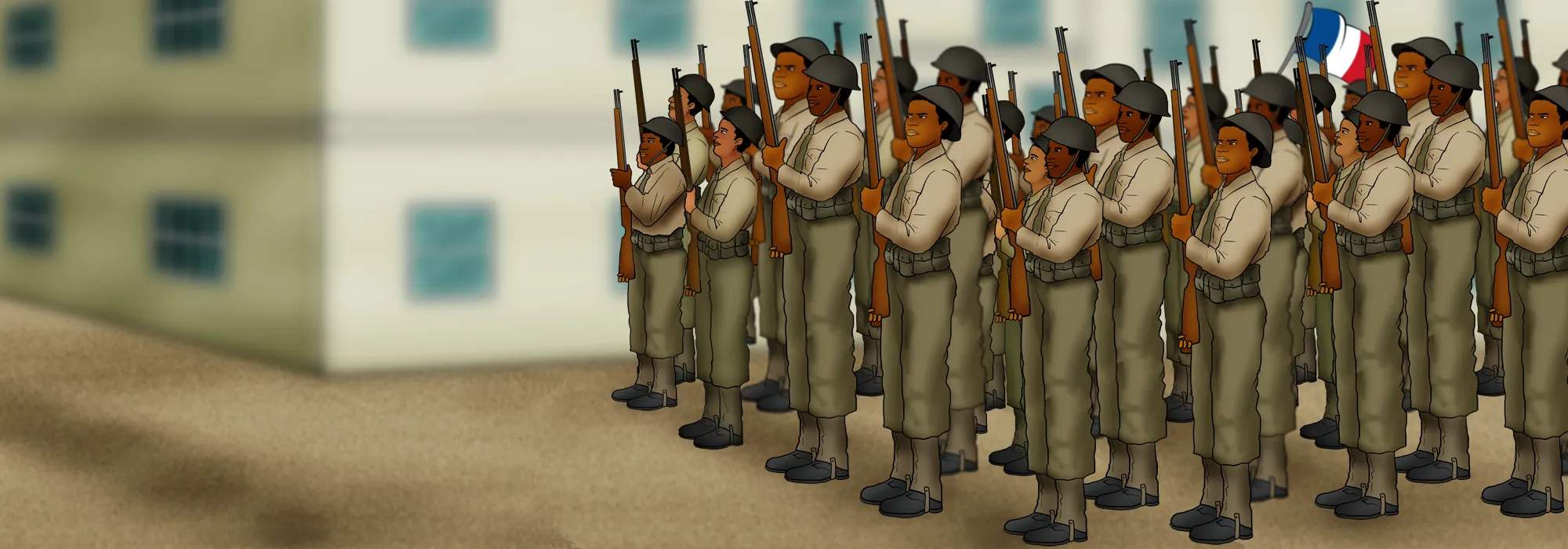
In 1918, when the Armistice was signed by the Germans and the French, no one could have imagined that a new war—even longer and involving more countries—would break out 21 years later. It must be said that the peace concluded in 1918, far from extinguishing the embers, had instead fueled the ambitions of the defeated nations.
The 1930s: a world in turmoil
A tense situation in Europe and around the World
The 1930s were marked by various conflicts between nations in Europe and around the world.
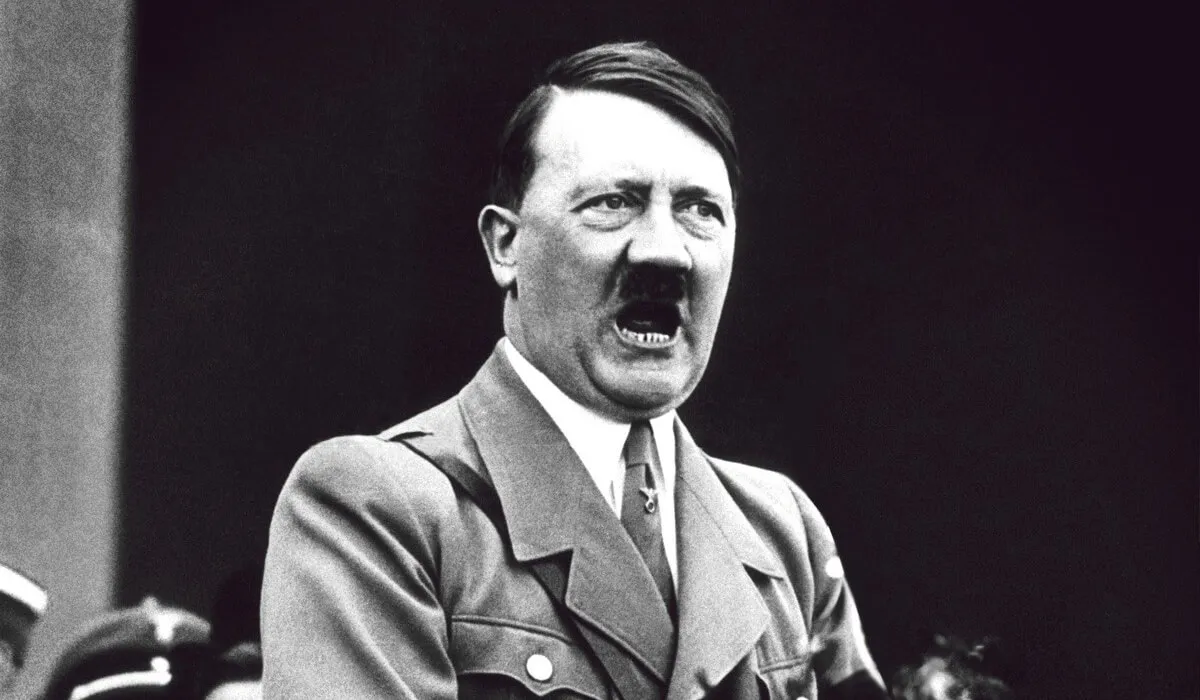
First, there was Germany, which was struggling to come to terms with its defeat in World War I. Adolf Hitler, the new Chancellor who came to power in 1933, made Germany’s expansionist ambitions in Europe abundantly clear by annexing Austria in 1938 and then the Sudetenland (German-populated territories of Czechoslovakia) that same year, Czechoslovakia in its entirety in 1939, before invading Poland a few months later.
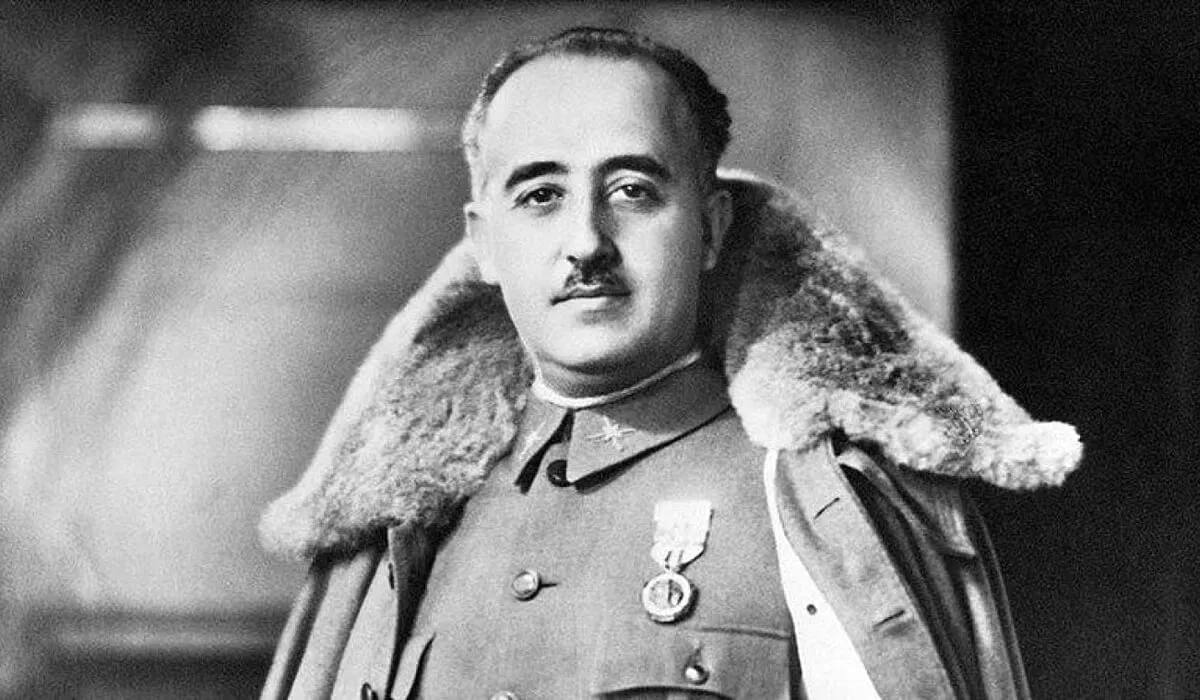
In Spain, following the civil war that began in 1836 between the Republicans and the Nationalists, Francisco Franco, a member of the far-right movement, seized power after the Nationalists defeated the Republicans.
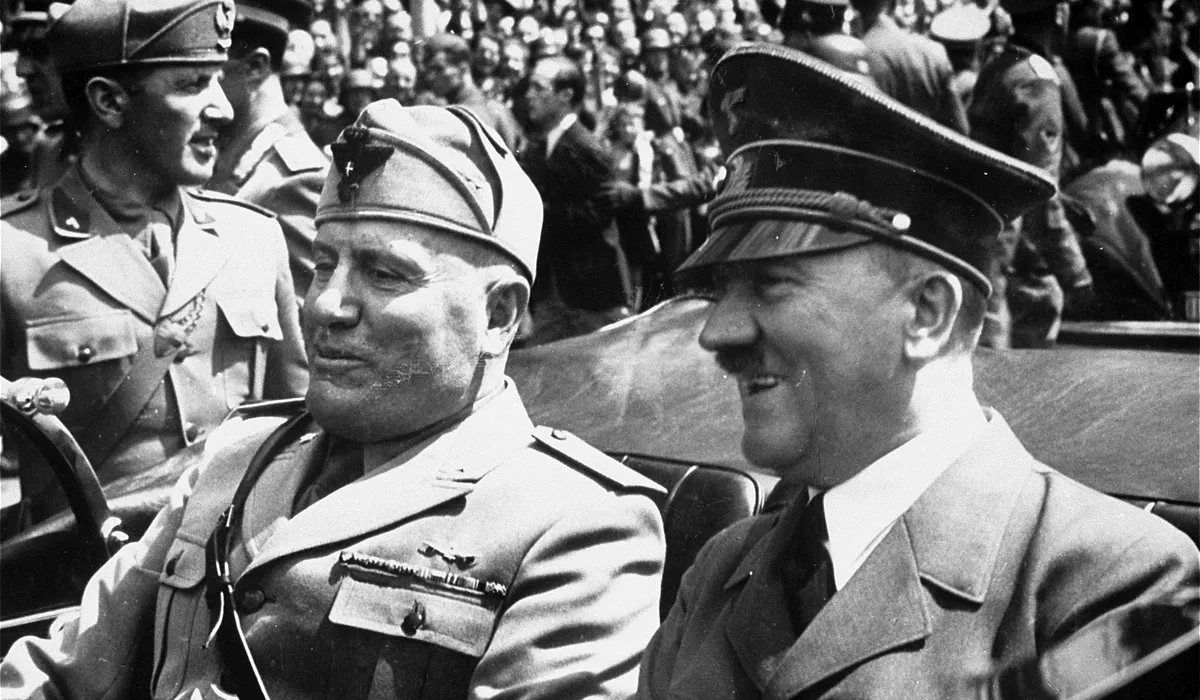
In Italy, Benito Mussolini (pictured to the left of Adolf Hitler), who also led a far-right movement—the Fascist Party, which he founded—came to power in 1922 following a period of political chaos. He promised to restore Italy’s prestige in Europe and gradually seized all power. He invaded Abyssinia (present-day Ethiopia), supported Franco during the Spanish Civil War, and drew closer to Hitler’s Nazi Germany, culminating in the signing of the Pact of Steel, which sealed the military alliance between Germany, Italy, and Japan.
The Empire of Japan, seeking to expand across the Asian continent, invaded China in 1937 and seized a vast territory in eastern China. China had no intention of allowing itself to be ravaged and fought the invader fiercely.
It should be noted that the 1929 stock market crash had significantly weakened European economies. Faced with rising unemployment, soaring prices, and declining industrial production, protectionist policies were implemented to safeguard the nations.