
A news item that reflects a post-slavery society
As explained in our article on the history of Martinique, the island had endured nearly two centuries of slavery, and its abolition in 1848 did not enable former slaves to completely free themselves from the power of the Békés, the former slave owners.
Compensated for the increased costs resulting from the end of a free and servile labor force, the Békés still held all economic power and were well-positioned in the island’s political sphere. They also occupied the top administrative positions, and only the “mulattoes” had managed to make a name for themselves.
Former slaves, condemned to return to work for the descendants of former slave owners, repeatedly protested against the meager wages they received despite long days in the island’s sugarcane fields. Strikes and other protests were harshly suppressed. Rarely did farmworkers achieve their demands.
It was against this backdrop that a news item would leave its mark on an island where tensions were already running high.
Eugène Aubéry (1879–1942), whom we have introduced on our website as the owner of Château Aubéry, was a man of modest origins who had quickly risen through the ranks of the Béké caste by marrying the daughter of one of its wealthiest and most honored members, Berthe Hayot. He soon took over management of the Lareinty factory, which produced rum and sugar. Following a tax investigation, he was accused of fraud in the presentation of the assets of the Lareinty company, which was dissolved in 1924.
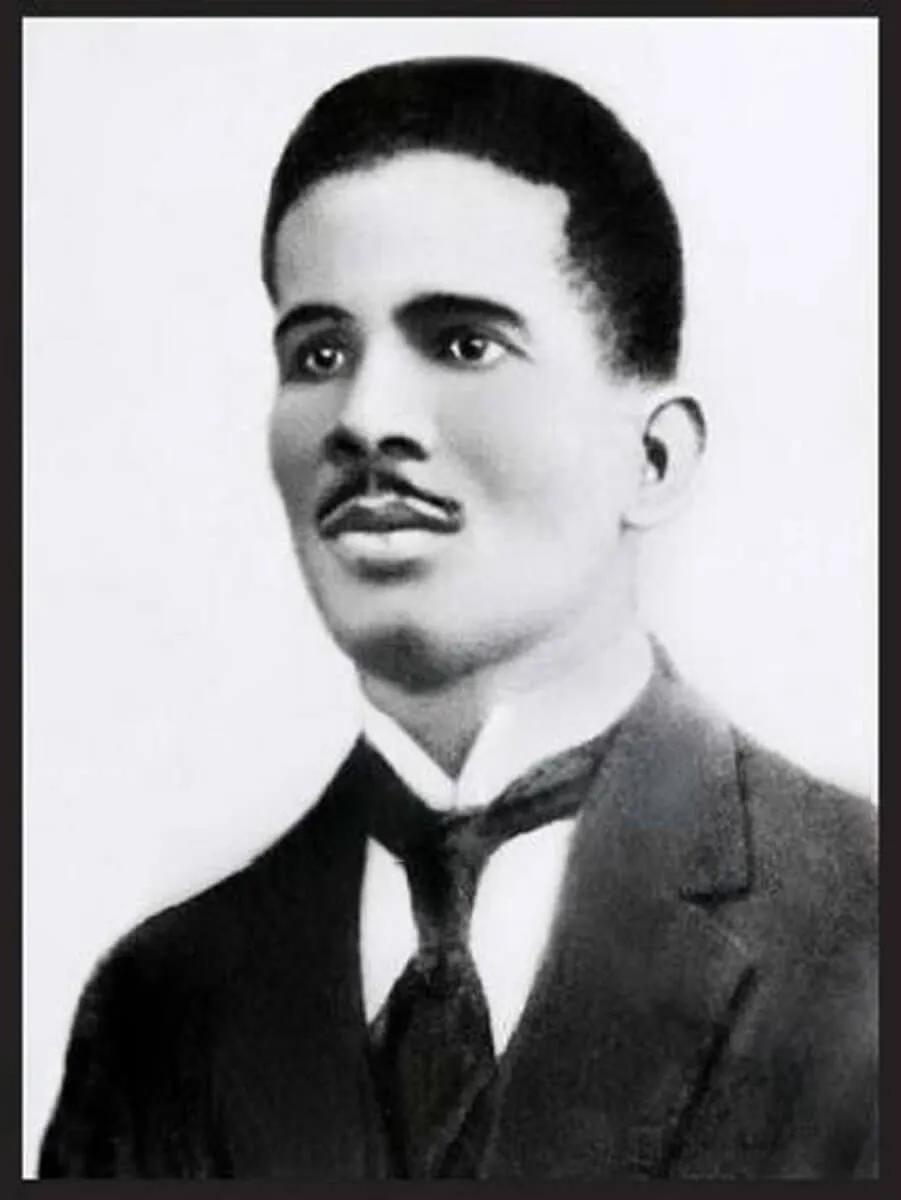
After being acquitted by the courts, journalist André Aliker (pictured here) accused him of corruption in the communist newspaper *La Justice* in an issue published in 1933.
On January 12, 1934, André Aliker’s body was found on a beach. His murder shocked the public and caused a great stir throughout the island. The suspects were tried in the Bordeaux Court and all were acquitted.
The victim’s family blamed the Aubéry clan for the crime, and one of André Aliker’s brothers attempted to shoot Eugène Aubéry in January 1936, but failed. Although he was brought to trial, he was acquitted, supported by public opinion.
This crime left a sense of injustice among the public, as many felt that the Béké caste remained shielded by the justice system and that the equal rights promised at the time of abolition were not a reality.