
The political context
Politically, tensions are running high on the island, where three leading figures from the socialist movement are locked in a power struggle:
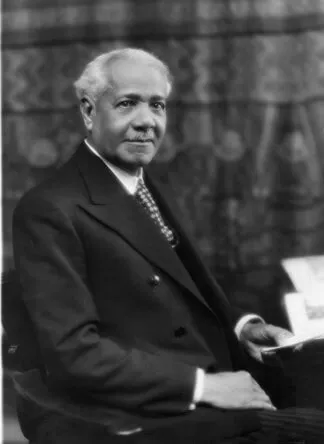
Mayor of Fort-de-France from nearly 1900 to 1945 (except from 1907 to 1908, from 1919 to 1924, and under Admiral Robert from 1941 to 1943), Victor Sévère was a black bourgeois who commanded such admiration from the population that he was nicknamed “the Imperator.” He also served as a deputy for the Southern and Northern districts of Martinique under the Radical-Socialist banner.
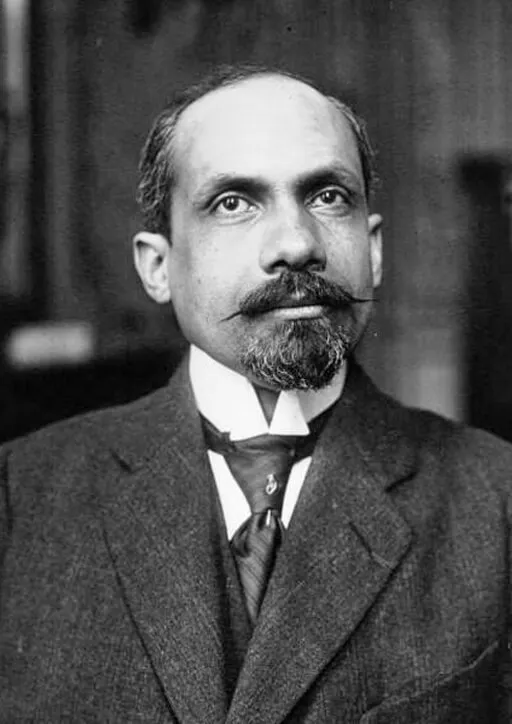
Henry Lémery, who had lost his entire family in the eruption of Mount Pelée on May 8, 1902, served as a member of the National Assembly (1914–1919) and then as a senator beginning in 1920. An advocate for the assimilation of Martinique into France, he proposed a bill as early as 1919 aimed at fully integrating the Caribbean colonies into France by granting them the status of French departments, but to no avail.
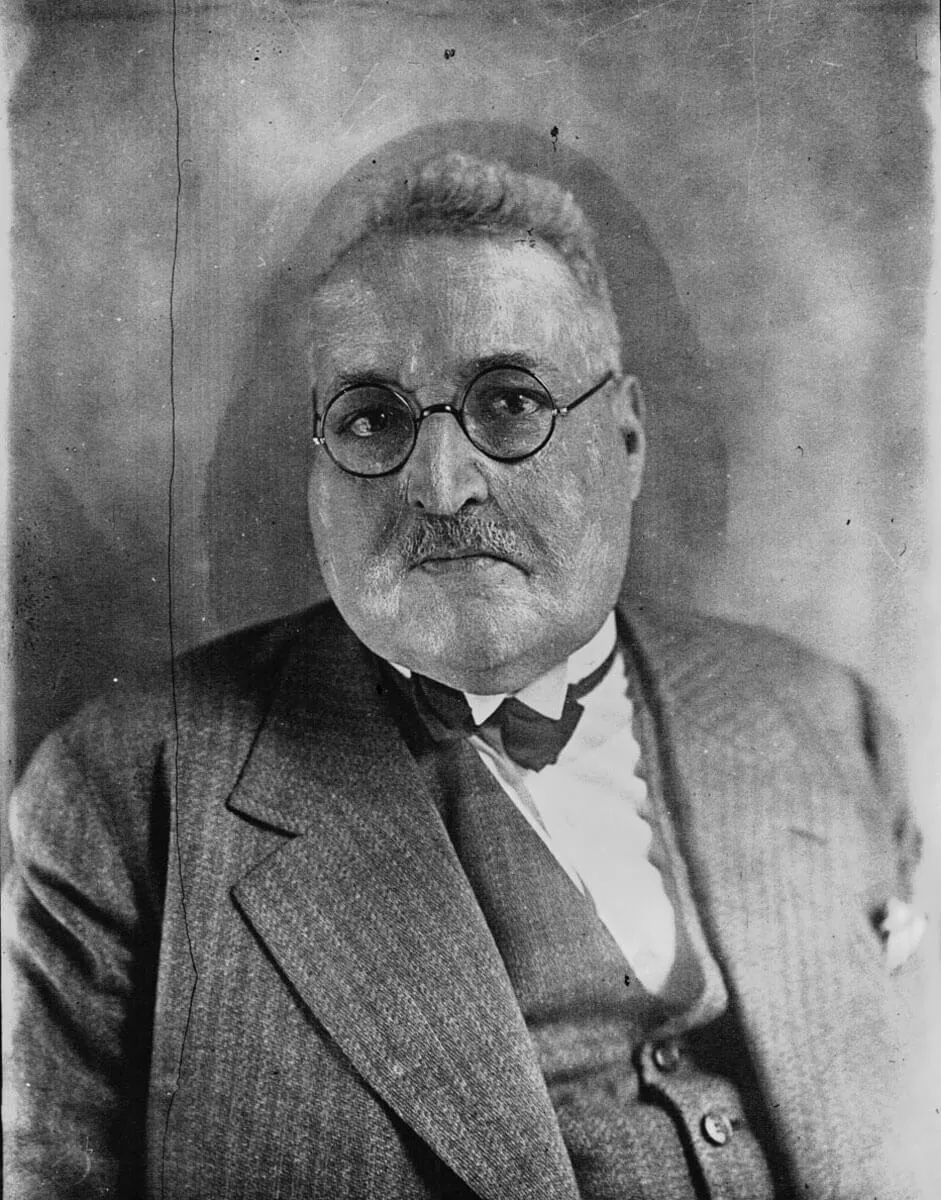
The most popular figure remains Joseph Lagrosillière. As the founder of the Socialist Federation of Martinique, he was a staunch advocate for the island’s full and complete assimilation into France. Like Lémery, he lost many members of his family in the eruption of Mount Pelée. In 1910, he was elected Deputy for the North and Mayor of Sainte-Marie, a position he held for 26 years. He left the National Socialist group following disagreements over the issue of assimilation. Locally, he was very popular for his proposed legislation aimed at social measures for agricultural workers.
Political life at the time was marked by constant upheaval, whether in local elections (municipal, general council) or national ones (representatives and senators), all against a backdrop of electoral fraud and interventionism by the governors of Martinique, who were strongly opposed to Lagrosillière.
At the governor level, changes were just as frequent. Between 1919 and 1939, Martinique would have 22 different governors!
This political tension led to several tragic events, such as the assassinations of Charles Zizine and Louis des Étages in Ducos—both supporters of Lagrosillière—and a general councilor in Le Diamant who supported Lémery.
Furthermore, it remains difficult to interpret the political landscape of that era, as yesterday’s friends were today’s enemies—or vice versa—and it was possible to find oneself on radically opposing sides. For example, Lagrosillière, who defended farmworkers, was a respected figure among the Békés.