
Assimilation or autonomy?
The incident mentioned earlier called into question a major theme for politicians of the time: assimilation. Many were in favor of full and complete assimilation into French society, but this idea could only take root among the population if tensions between all segments of society were eased.
However, it appears that Black people descended from slaves would not have accepted assimilation if the Békés continued to enjoy the same favors and privileges they had during slavery, especially given their significant electoral clout. Indeed, they constituted the majority of the population, and their votes have carried weight ever since the introduction of universal male suffrage in 1875.
Of the various laws enacted following the abolition of slavery in 1848, only people of mixed race had managed to come out ahead and gain access to prestigious positions, particularly in the civil service. As a result, they were also largely in favor of assimilation. According to them, to make public opinion even more favorable toward assimilation, it was necessary to increase the number of schools, ensure perfect mastery of French, and promote representation in the civil service. This would be largely implemented locally.
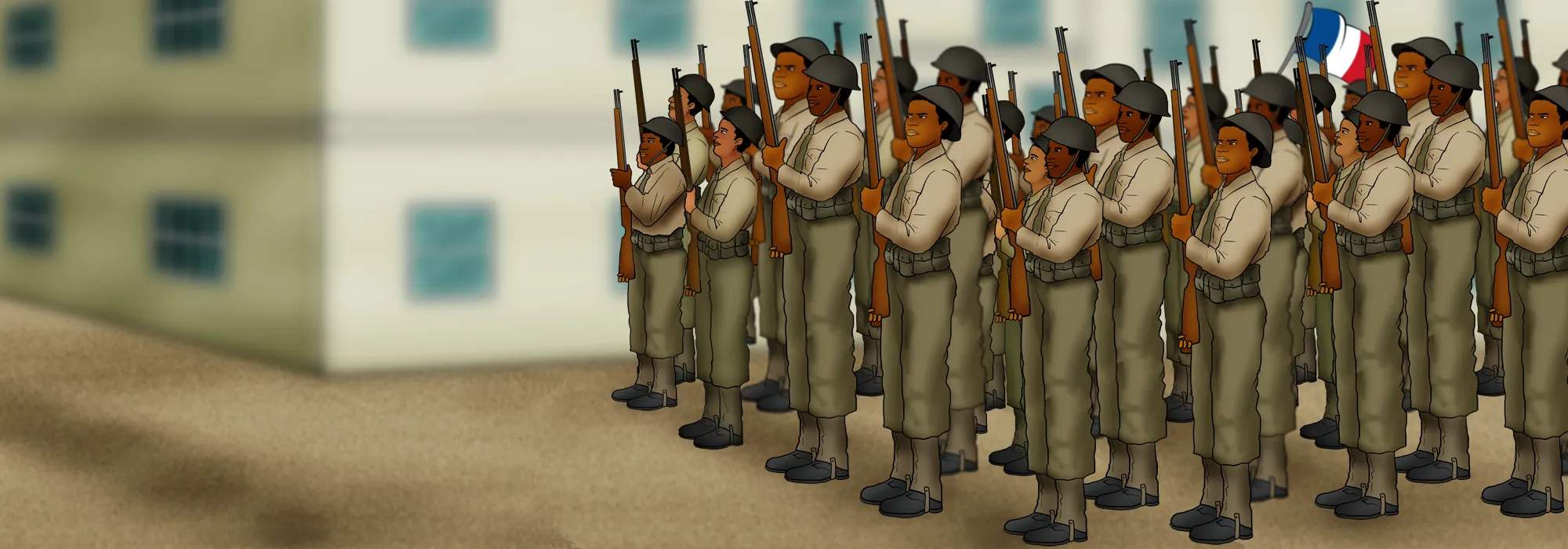
In reality, French assimilation had already been largely established since 1848 in various ways. Catholicism, the dominant religion in France, was widespread throughout the population, and patriotism was beyond question, given that more than 30,000 young men from Martinique had joined the French forces during World War I.
In fact, in the run-up to World War I, politicians had strongly advocated for the “blood tax”—that is, the willingness to “give one’s blood” (enlist in the national military) to France as a way of proving one’s complete and utter loyalty to the country. This measure was already in place in the French colonies in Africa and was adopted in Martinique in 1913.
Further evidence of Martinique’s attachment to France came when rumors spread that Martinique might be ceded to the United States in exchange for its intervention on France’s behalf during World War I; there was widespread opposition to this plan. In Martinique, people are proud to be French and deeply attached to the country. Another explanation was that Black people feared suffering the same fate as Black Americans under the segregation regime of the time. In 1919, the Minister of Colonies denied this rumor, which reassured the entire population.
Finally, it is important to note that not everyone favored full assimilation, as it posed a significant economic and financial challenge. The American colonies enjoyed a special tax status, and adopting the same tax system as France would have driven up prices and created new taxes. Victor Sévère therefore advocated for tax exemptions.
On the intellectual front as well, the issue of total assimilation is a subject of debate. Young students who went to metropolitan France—notably Aimé Césaire—were able to realize firsthand that they possess their own distinct identity and culture, different from those of young metropolitan French people. According to them, assimilation would mean renouncing their Creole and African identities and would lead to cultural alienation.
The goal of the assimilation process was for Martinique to become a French department, but it would not be until the rise of a young member of parliament, Aimé Césaire, that this process would come to fruition.
Here is the situation in Martinique on the eve of a war that would change the face of the entire world—and Martinique as well.